Acrylic vs Steel Bath
Acrylic baths are lighter, warmer to the touch, and cheaper — typically £150–£600. Steel baths are heavier, more durable, and better at retaining heat long-term, starting around £200–£900. For most UK homes, acrylic is the practical choice; steel suits premium or long-term installations.

What Is an Acrylic Bath?
An acrylic bath is made from vacuum-formed acrylic sheet, typically reinforced underneath with fibreglass or resin to add rigidity. The surface is smooth, non-porous, and retains warmth quickly when filled. Acrylic is the most widely sold bath material in the UK due to its low cost, light weight (often 15–25 kg), and ease of installation. It can be scratched but is repairable. For fitting guidance, see our Plumbing Guide for connecting waste and supply pipework.
What Is a Steel Bath?
A steel bath — properly called an enamelled steel bath — is pressed from heavy-gauge steel and coated with a vitreous enamel finish fired at high temperature. This produces an extremely hard, glassy surface that resists scratching and retains its appearance for decades. Steel baths are heavier (typically 30–60 kg) and require a solid, level floor. They are more common in continental Europe but increasingly available in the UK for mid-range and high-end bathroom refits. For wider bathroom project planning, visit our Bathroom Guide.
Side-by-Side Comparison
| Factor | Acrylic | Steel (Enamelled) |
|---|---|---|
| Cost (bath unit) | £150–£600 | £200–£900+ |
| Durability | Good — prone to surface scratches | Excellent — enamel resists scratches and chips |
| Appearance | Wide range of shapes and colours; can yellow over time | Bright, glassy finish; stays white longer |
| Install Difficulty | Easier — lightweight, one or two people | Harder — heavy, may need extra floor support |
| Maintenance | Non-abrasive cleaners only; minor scratches polishable | Easy to clean; chips need specialist repair |
| Lifespan | 15–25 years | 25–40+ years |
Acrylic Bath — Pros and Cons
- Lower purchase price — accessible for most budgets
- Lightweight — easier to manoeuvre and install in tight spaces
- Warm to the touch — comfortable to step into immediately
- Wide variety of shapes, sizes, and colours available
- Minor surface scratches can be buffed out or repaired with a kit
- Can flex slightly underfoot if not properly supported with a cradle or sand
- Susceptible to surface scratching from abrasive cleaners or sharp objects
- May yellow or dull with prolonged exposure to harsh chemicals
- Thinner grades can feel less substantial than steel
Steel Bath — Pros and Cons
- Extremely durable enamel surface — resists most scratches and staining
- Retains heat well once water temperature stabilises
- Maintains bright white finish for decades without yellowing
- Eco-friendly — fully recyclable at end of life
- Solid, rigid feel underfoot with no flex
- Heavier — may require two people to install and additional floor checks
- Cold to the touch initially — takes longer to warm up than acrylic
- Higher purchase cost at comparable sizes
- Enamel chips are difficult to repair invisibly without professional help
- Fewer unusual shapes available compared to acrylic
Which Is Better For…?
- A rental property or tight budget: Acrylic wins — lower upfront cost and adequate durability for tenant use without overspending.
- A forever home or long-term renovation: Steel is the better investment — its 30–40-year lifespan and scratch-resistant enamel justify the higher cost over time.
- An upstairs bathroom in an older house: Acrylic is safer — its lighter weight puts less stress on joists, particularly in Victorian or Edwardian properties. If you have concerns about structural integrity, consult a tradesperson before installing a steel bath.
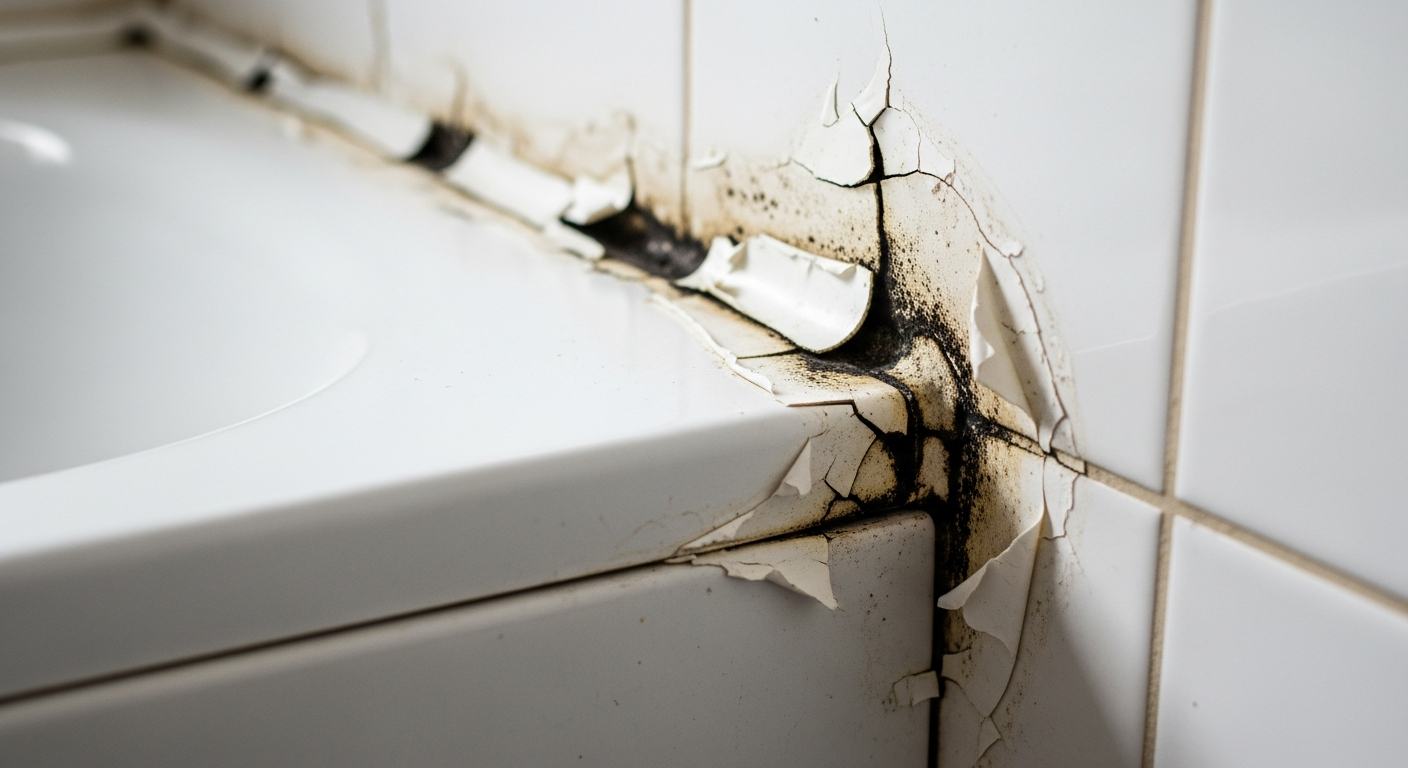
- A household with young children: Acrylic is preferable — the warmer surface reduces the shock of stepping in, and minor scuffs from toys or bath seats can be polished out. Keep up with re-siliconing the bath to prevent water ingress around the edges.
- A premium bathroom refurbishment: Steel suits a high-spec fit-out — the glassy enamel finish pairs well with quality taps and fittings, and the bath will outlast most other elements of the room.
UK Cost Comparison
Acrylic baths in the UK typically range from around £150 for a basic single-ended 1700 mm unit up to approximately £600 for a double-ended or freestanding design. Mid-range acrylic baths with a support cradle cost between £200 and £350. Enamelled steel baths start at roughly £200 for an entry-level pressed-steel model and rise to £900 or more for premium European-made designs. Installation labour is broadly similar for both types — a plumber or bathroom fitter typically charges £150–£350 to swap a like-for-like bath, depending on region and complexity (Checkatrade, 2024). Note that steel baths on upper floors may add cost if the floor requires reinforcement. For any pipework changes involved, refer to our Plumbing Guide and consider whether you’ll need to re-silicone the bath once fitted.
Frequently Asked Questions
Is an acrylic bath warm enough for everyday use?
Yes — acrylic warms quickly when the bath is filled and is comfortable to touch from the moment you step in, making it well suited to daily family use.
Can a steel bath be installed on a standard UK timber floor?
In most cases yes, but you should check that floor joists are sound and level first, particularly in older properties — a steel bath’s weight (30–60 kg empty) can be significant before water and occupants are added.
How long does an acrylic bath last?
A well-maintained acrylic bath typically lasts 15–25 years; surface scratches can be repaired with a polish kit, but deep cracks or structural flex usually mean replacement is needed.
Can I repair a chipped steel bath myself?
Small chips can be filled with an enamel repair kit available from DIY retailers, but achieving an invisible finish is difficult — for visible chips, a specialist bath re-enamelling service gives better results.
Do steel baths cost more to install than acrylic?
Labour rates are broadly similar, but a steel bath may require two people to carry and position, and there is a small risk of additional cost if the floor needs strengthening — factor this into your budget.
When fitting an acrylic bath, fill it with water before applying the final silicone bead around the perimeter — this loads the bath to its working weight so the silicone seal won’t crack when you run a bath for the first time. Skip this step and you’ll likely be re-doing the seal within months.
Sources
- Which? — Buying a new bath: what to look for — which.co.uk
- Checkatrade — Cost to replace a bath (2024) — checkatrade.com
- HSE — Manual handling in construction and domestic refurbishment — hse.gov.uk
Safety Notice: Electrical and plumbing work can be dangerous if done incorrectly. In the UK, certain electrical work must comply with Part P of the Building Regulations and certain plumbing work with Part G. If in doubt, consult a qualified electrician (NICEIC/NAPIT registered) or plumber (CIPHE/WaterSafe registered). This guide is for general information only — it is not a substitute for professional advice.