Painting & Decorating: Complete UK DIY Guide 2026
Painting & Decorating: Complete UK DIY Guide 2026
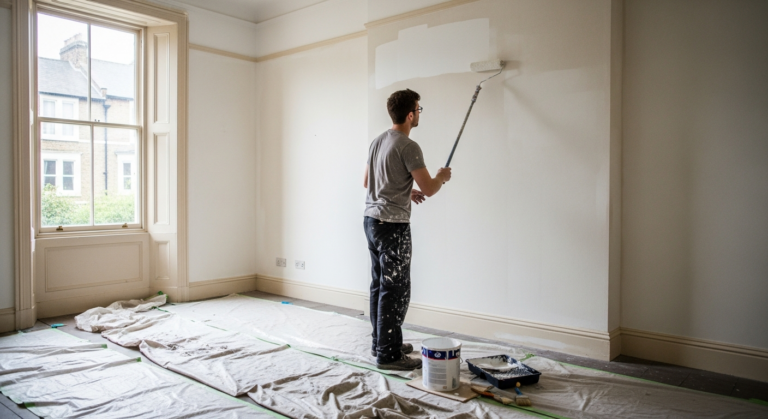
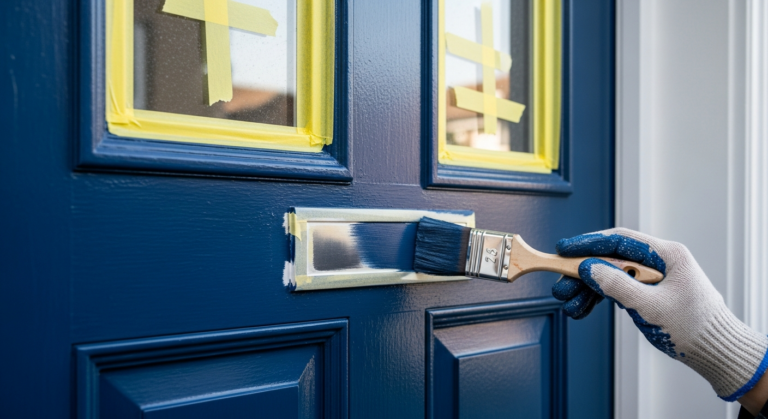
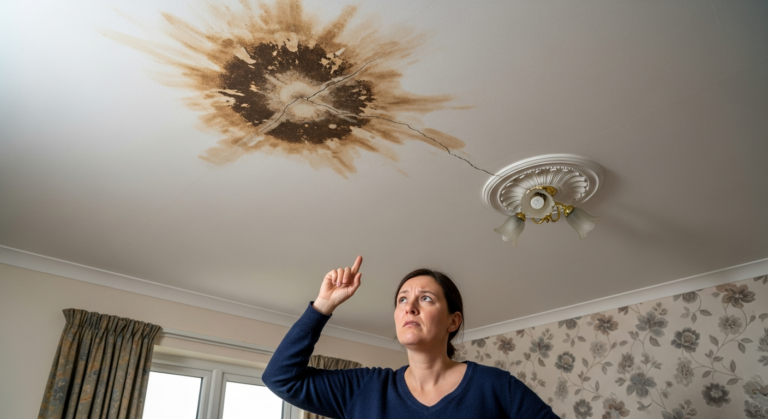
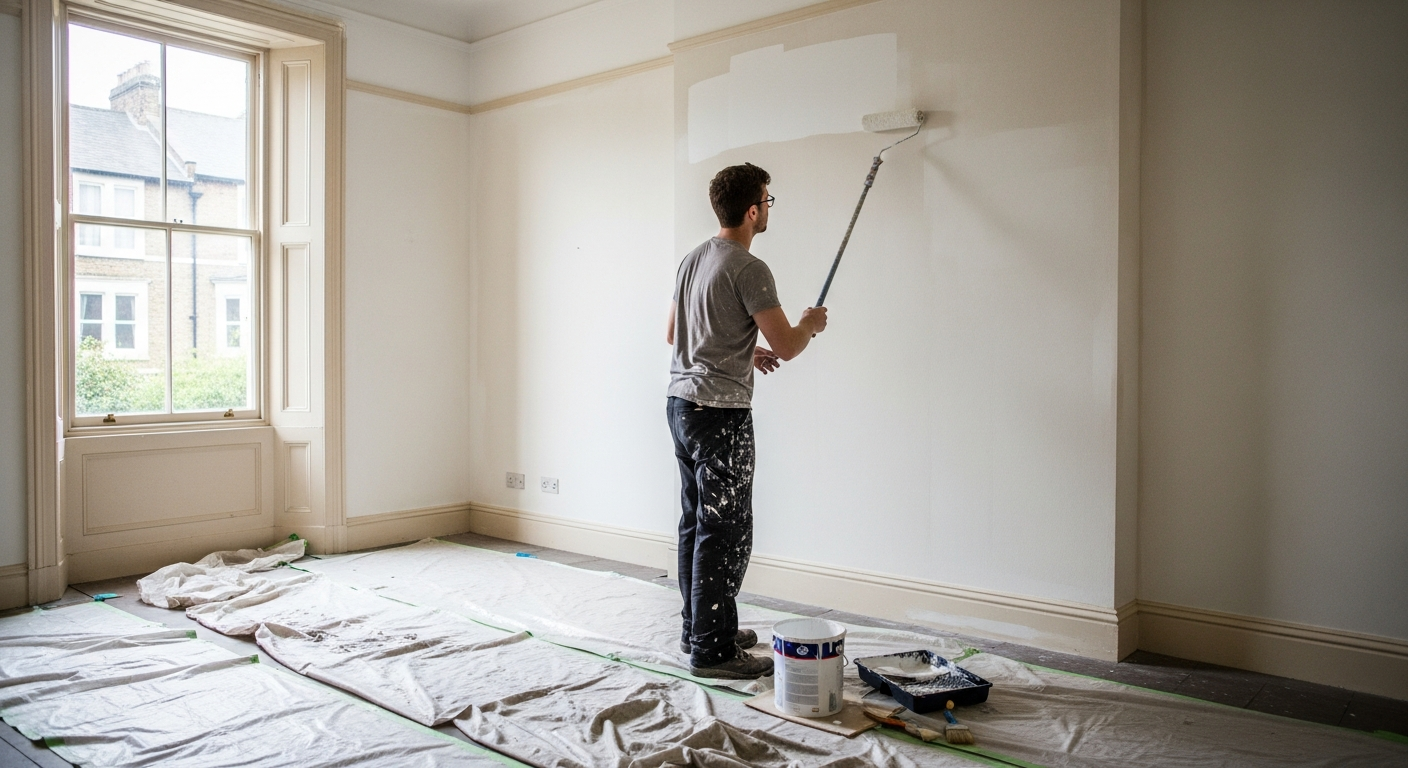
Painting and decorating is one of the most cost-effective ways to transform your home, and with the right prep and products, most UK homeowners can tackle it confidently. This guide covers the three core areas you’ll come across: Rooms, Ceilings, and Woodwork — each with its own quirks, pitfalls, and trade shortcuts. Get these right and the results will speak for themselves.
Browse Painting & Decorating Guides
Exterior Painting
Paint Fixes
Rooms & Walls
Costs & Pricing
Materials Guide
Common Problems
Seasonal Maintenance
Trade vs DIY
Frequently Asked Questions
How many coats of paint do I actually need on walls?
For most standard emulsions on a previously painted surface in decent condition, two coats will give you a solid, even finish. If you’re going from a dark colour to a light one, or painting onto fresh plaster or bare filler, you’ll likely need three — or a proper mist coat first on new plaster. Skipping coats to save time is the number one reason DIY paint jobs look amateur.
What’s the best paint finish for a UK living room or bedroom?
Matt emulsion is the most forgiving on walls — it hides surface imperfections well and looks clean in natural light, which is why it’s the trade standard for ceilings and main walls. Avoid vinyl silk on walls unless the surface is perfect, as it highlights every bump and brush mark. For hallways and high-traffic areas, a durable matt or eggshell finish gives you better scuff resistance without the sheen.
Do I need to use a primer before painting woodwork?
Yes — if you’re painting bare or stripped wood, a primer is non-negotiable; without it, the topcoat soaks in unevenly and adhesion is poor. On previously painted woodwork in good condition, a light sand and a coat of undercoat before your topcoat is the correct sequence. Jumping straight to a gloss or satin finish without prep is why woodwork peels within a year.
How do I get rid of hairline cracks in walls before painting?
Rake out the crack slightly with a scraper or filling knife so it’s not just sitting on the surface, then work in a flexible filler like Polycell Fine Surface Filler or a ready-mixed interior filler. Once dry, sand it back flush, spot-prime it, and then paint — if you skip the spot primer, the filler will flash through as a dull patch even under two coats. For cracks that keep coming back, use a fine jointing tape bedded into filler before decorating.
Can I paint over old gloss paint on woodwork without stripping it?
Yes, in most cases — as long as the existing gloss is sound, well-adhered, and not flaking or heavily built up. Key the surface thoroughly with 120-grit sandpaper, wipe off the dust, apply a coat of undercoat, then finish with your chosen topcoat. If the old paint is bubbling, flaking, or layered so thick it’s obscuring the detail on architraves or mouldings, it’s worth stripping back to bare wood for a proper job.
- Dulux — Paint coverage guides — dulux.co.uk
- HSE — VOCs and indoor air quality — hse.gov.uk
Get the Full Guide with DIYnut AI
Photograph your space, tell the app what you want, and get an AI-generated after image, full materials list, and step-by-step guide in seconds.