How to Unblock a Toilet – DIY Guide
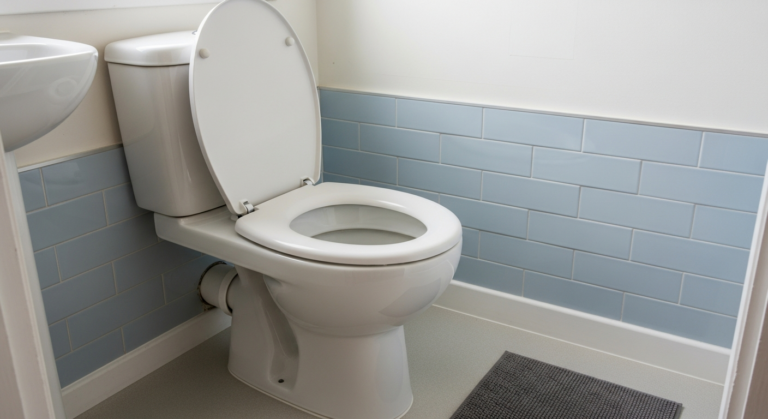
To unblock a toilet, start with a toilet plunger to create suction and dislodge the blockage. If that fails, use a toilet auger to break up or retrieve the obstruction. Most household toilet blockages can be cleared in under 30 minutes without calling a plumber.

- Toilet plunger (flange type)
- Toilet auger (closet auger)
- Rubber gloves (long cuff)
- Plastic sheeting or old towels
- Bucket
- Torch
- Washing-up liquid
- Hot (not boiling) water
- Bicarbonate of soda
- White vinegar
- Enzyme-based drain cleaner
- Disposable cloths or paper towels
Step-by-Step Guide
Prepare the Area and Protect the Floor
Put on long-cuff rubber gloves before touching anything. Lay plastic sheeting or old towels around the base of the toilet to catch any overflow — blocked toilets can spill when you apply pressure. Turn off the water supply valve behind or beside the toilet to prevent the cistern refilling and raising the water level further while you work. If you cannot locate the isolation valve, our guide on how to turn off your water supply covers every type of valve you are likely to find.
Lower the Water Level in the Bowl
If the bowl is full to the rim, bail some water into a bucket using a small container before plunging — a bowl at or near overflow will slosh water onto the floor the moment you apply downward pressure. Aim to reduce the water level to roughly half full. Do not flush again to test the blockage at this stage; a second flush on a blocked toilet will fill the bowl further and risk overflow onto the floor.
Plunge with a Flange Plunger
A flange plunger — the type with a fold-out rubber cup at the bottom — creates a proper seal inside the toilet trap, unlike a flat cup plunger designed for sinks. Submerge the plunger fully so the cup is covered by water, then position the flange squarely over the outlet opening at the base of the bowl. Push down slowly to expel air, then pull up sharply and repeat with steady, rhythmic strokes for 15–20 cycles. The suction and pressure combination dislodges most soft blockages. If water starts draining, flush once to confirm clearance. For related drain blockages elsewhere in the home, the same principle applies — see our guide to unblocking a sink drain for technique differences.
Use a Toilet Auger for Stubborn Blockages
If plunging does not shift the blockage after two or three attempts, feed a toilet auger (also called a closet auger) into the bowl outlet. The auger has a protective rubber sleeve that prevents it from scratching the ceramic. Rotate the handle clockwise as you push the cable into the trap — the corkscrew tip either breaks up a soft blockage or hooks a solid object so you can pull it back out. Withdraw the auger slowly to avoid dragging debris into the bowl, and dispose of anything retrieved directly into a plastic bag. Never use a standard drain rod in a toilet pan — the fittings will scratch the ceramic and can damage the trap.
Try a Hot Water and Washing-Up Liquid Method
For blockages that feel soft (excess toilet paper or organic matter), squirt a generous amount of washing-up liquid into the bowl and follow with a bucketful of hot — not boiling — water poured from waist height. The heat and detergent help lubricate and break down the blockage without the risk of cracking the ceramic that boiling water carries. Leave it to work for 10–15 minutes before attempting to flush. Alternatively, add 200 g of bicarbonate of soda followed by 200 ml of white vinegar, allow the fizzing reaction to settle, then flush with hot water. This approach is effective on light organic blockages and leaves no chemical residue in the drainage system.
Test the Flush and Restore the Water Supply
Once water drains freely from the bowl, turn the isolation valve back on to allow the cistern to refill, then flush once and watch the water drain at full speed. A slow drain after unblocking may indicate a partial blockage further down the soil pipe — if this persists, the problem may be beyond the toilet trap and in the underground drainage, which requires a drainage professional. Clean the toilet bowl with a disinfectant cleaner, dispose of used cloths and gloves hygienically, and wash your hands thoroughly. If your toilet is repeatedly blocking, read our guide on why toilets keep blocking to identify the underlying cause.
Frequently Asked Questions
Can I use chemical drain unblocker in a toilet?
Standard caustic drain cleaners are not recommended for toilets — they can damage the rubber seals inside the cistern and the trap, and are often ineffective on solid blockages. If you want a chemical approach, use an enzyme-based drain cleaner labelled as safe for toilets, following the manufacturer’s instructions carefully.
What if the toilet is still blocked after plunging and using an auger?
If neither method works, the blockage is likely in the soil pipe or underground drainage rather than the toilet trap itself. At that point, contact a drainage professional or your water supplier — attempting to rod underground drains yourself without the right equipment risks pushing the blockage deeper or damaging the pipework. You can find registered drainage contractors through the WaterSafe register at watersafe.org.uk.
How do I unblock a toilet without a plunger?
The hot water and washing-up liquid method is the most effective no-plunger option for soft blockages — pour a large amount of washing-up liquid into the bowl, follow with a bucket of hot (not boiling) water from waist height, and leave for 15 minutes before flushing. For a hard blockage without any tools, you will need to source a plunger or auger before attempting further DIY clearance.
Is a blocked toilet a plumbing emergency?
A single blocked toilet in a home with another available toilet is not an emergency and can usually be resolved with the steps above. If you have only one toilet and cannot clear it within an hour, or if the blockage is causing sewage to back up into other drains or outside gullies, treat it as urgent and contact a drainage professional promptly.
What causes toilets to block repeatedly?
Repeated blockages are usually caused by flushing wet wipes (even those labelled ‘flushable’), excessive toilet paper, sanitary products, or a partial build-up on the inner walls of an older toilet trap. If your toilet keeps blocking, our guide on fixing a running toilet and related cistern issues is a useful next step — and consider whether the flush volume is sufficient to clear the trap reliably.
Before plunging, pour a small amount of washing-up liquid into the bowl and let it sit for two minutes — it lubricates the trap walls and significantly reduces the force needed to shift a soft blockage, making the plunger more effective on the first attempt. Tradespeople always do this before reaching for the auger.
Sources
- WaterSafe — Find a Plumber and Drainage Advice — watersafe.org.uk
- HSE — Health Risks from Sewage and Drainage Work — hse.gov.uk
- Which? — How to Unblock a Toilet — which.co.uk
Safety Notice: Electrical and plumbing work can be dangerous if done incorrectly. In the UK, certain electrical work must comply with Part P of the Building Regulations and certain plumbing work with Part G. If in doubt, consult a qualified electrician (NICEIC/NAPIT registered) or plumber (CIPHE/WaterSafe registered). This guide is for general information only — it is not a substitute for professional advice.