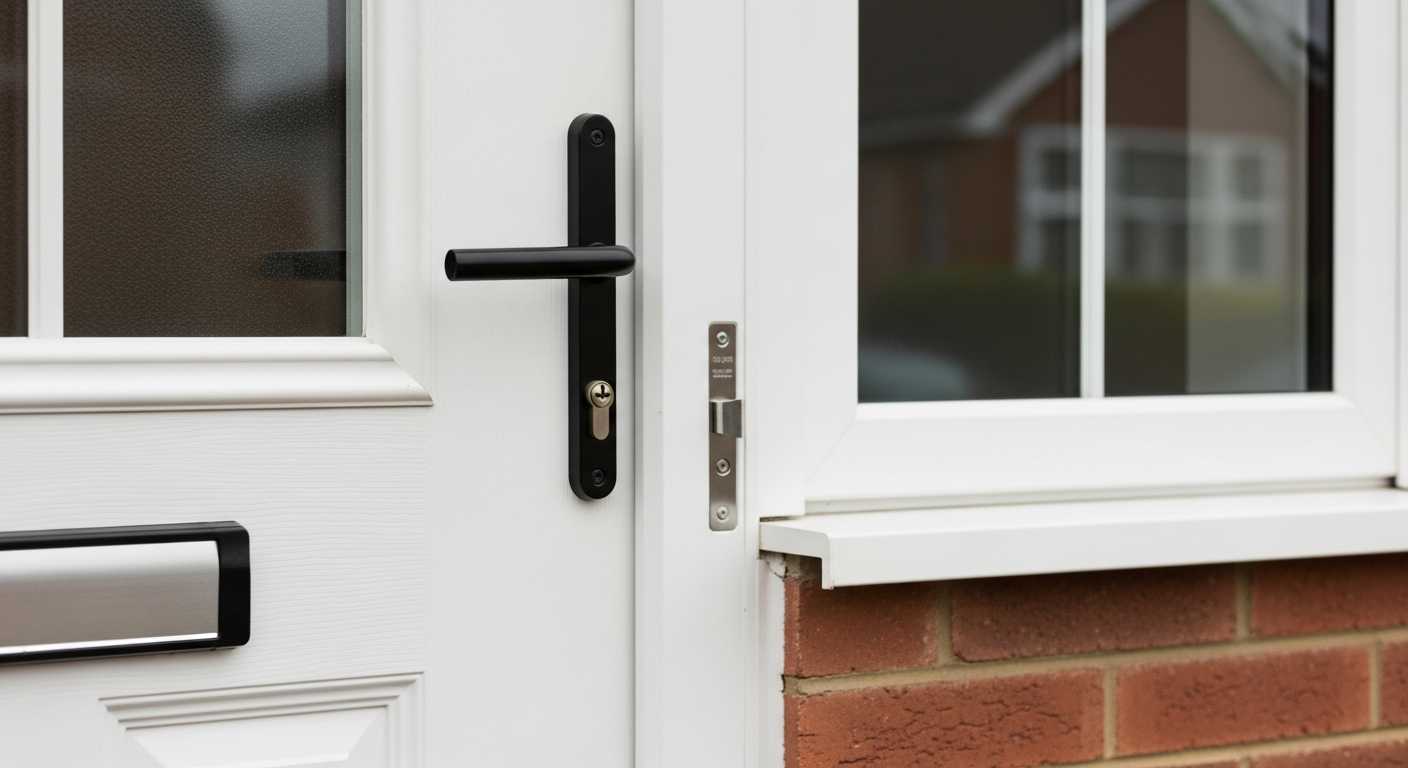
How to Fix Condensation in Double Glazing – DIY Guide
How to Fix Condensation in Double Glazing
Clear misted double-glazed units and stop condensation coming back for good.
Fix condensation in double glazing by identifying whether it’s on the glass surface or inside the sealed unit. Surface condensation is resolved with ventilation and draught control. Internal misting means the sealed unit has failed and needs replacing.

- Utility knife
- Flat pry bar
- Tape measure
- Putty knife
- Caulking gun
- Screwdriver set
- Damp cloth
- Pencil
- Replacement double-glazed sealed unit
- Glazing silicone sealant
- Glazing packers
- Glazing beads
- Window cleaning solution
- Low-expansion foam filler
- Paintable exterior sealant
- Replacement rubber gasket
Step-by-Step Guide
Diagnose Where the Condensation Is
Before touching anything, work out exactly where the moisture is sitting. Wipe the interior glass surface with a dry cloth — if the misting clears, the condensation is on the room-side face and is caused by humidity, not a unit failure. If the glass stays milky or you can see droplets between the two panes of glass, the sealed unit’s inert gas fill has been compromised and moisture has entered the cavity. This distinction decides everything: surface condensation is a ventilation fix; internal misting means the sealed unit must be replaced. Also check the exterior face on a cold morning — external condensation on double glazing is normal and not a fault.
Fix Surface Condensation With Ventilation
If condensation is forming on the room-side face of the glass, the cause is excess humidity in the room meeting a cold surface. Improve ventilation by opening trickle vents if your frames have them, fitting a window trickle vent if they don’t, and using extractor fans consistently in kitchens and bathrooms. Check that existing window seals aren’t failing and letting warm, moist air track into the frame cavity rather than escaping outside. A room hygrometer costing a few pounds will confirm whether indoor humidity is above 60%, which is the threshold at which condensation becomes persistent on cold glass.
Remove the Glazing Beads to Access the Failed Unit
If the unit has misted internally, the sealed unit needs to come out. Start by removing the glazing beads — the thin strips of plastic or timber that hold the glass in the frame. On uPVC frames, use a flat pry bar or stiff putty knife to pop the beads free from the corners first, then work along the length. Keep the beads in order as they are often cut to fit and are not interchangeable. On timber frames the beads may be pinned or screwed. Once all four beads are removed, the glass unit can be carefully lifted free with a helper — double-glazed units are heavy and awkward, so do not attempt this alone.
Measure and Order the Replacement Sealed Unit
With the old unit out, measure the glass width and height precisely at three points each way and use the smallest measurement. Note the overall unit thickness — typically 24 mm, 28 mm, or 36 mm — and check whether any panes are toughened or laminated (this will be etched in a corner of the glass). Take these measurements to a local glass merchant or double-glazing supplier, who can cut and seal a new unit to size. Supply the frame colour if ordering a unit with a coloured spacer bar, and confirm whether you need a standard or high-performance low-emissivity unit. Lead time is usually 3–7 working days.
Fit the New Sealed Unit
Clean out the frame rebate thoroughly, removing old sealant, debris, and any failed glazing tape. Position new glazing packers on the bottom edge of the rebate — two packers spaced roughly a quarter of the width in from each corner — so the unit sits level and load is transferred to the frame correctly rather than the sealant. With a helper, lower the new unit into the frame, check it’s sitting squarely on the packers, and confirm an even gap around all four edges. Refit the glazing beads in reverse order, pressing them firmly into their channel until they click. Do not use a hammer directly on beads — use a rubber mallet or a block of timber to protect them.
Seal the Frame Externally and Check Ventilation
Run a neat bead of exterior-grade silicone sealant along the outer joint between the glass unit edge and the frame rebate to prevent water ingress. Tool the sealant smooth with a wetted finger and remove any excess immediately. Check that any draught-proofing around adjacent doors and window openings is intact, as uncontrolled cold draughts raise the risk of future condensation on glass surfaces. Ensure trickle vents are clear and unobstructed so background ventilation can work. The new unit should remain clear within days as any residual moisture inside the new cavity dissipates.
Frequently Asked Questions
Can I repair a misted double-glazed unit without replacing it?
No reliable DIY repair exists for a failed sealed unit. Drilling small holes to inject desiccant or sealant is a temporary measure that rarely lasts more than a few months and does not restore the thermal performance of the original unit. Replacement is the only lasting fix.
How much does a replacement double-glazed sealed unit cost?
A standard replacement sealed unit from a glass merchant typically costs between £40 and £150 depending on size and glass specification. Fitting it yourself keeps the total project cost well below the £300–£600 a glazing company might charge for supply and installation.
Is condensation on the outside of double glazing a fault?
External condensation on the outer pane is actually a sign that the unit is performing well — it means the glass is cold because heat is being retained inside rather than conducted through. It clears naturally as the morning warms up and requires no action. For more on how window seals affect this, see our guide to sealing a leaking window.
Why does condensation keep forming on my window frames rather than the glass?
Condensation on frames, especially at corners and sill junctions, usually points to cold bridging where the frame material conducts heat away from the room, or to gaps in the perimeter seal allowing cold air in. Check that interior damp isn’t worsening the problem and that room ventilation is adequate.
Do I need building regulations approval to replace a double-glazed unit?
Replacing a failed sealed unit within an existing frame does not require building regulations approval. However, if you are replacing the entire window frame, the new window must meet current thermal performance standards and the work must be carried out by a FENSA or Certass-registered installer, or approved via your local authority building control.
When you measure for a replacement sealed unit, always deduct 5 mm from both the height and width of the frame rebate opening — this gives you the correct unit size with the proper clearance gap on all sides. Ordering a unit cut to the full rebate dimension is one of the most common mistakes that leads to a unit that won’t fit.
Sources
- Which? — Double glazing problems and how to fix them — which.co.uk
- Energy Saving Trust — Glazing and windows guidance — energysavingtrust.org.uk
- NHS — Damp and mould: causes, health effects and what to do — nhs.uk
This guide is for general information only. Always work safely and follow manufacturer instructions. DIYnut accepts no liability for injury or damage arising from DIY work.