How to Reseal a Tarmac Driveway – DIY Guide
How to Reseal a Tarmac Driveway
Restore faded, cracked tarmac and protect it for years with one coat.
To reseal a tarmac driveway, clean the surface thoroughly, repair any cracks, apply a bitumen-based driveway sealer with a squeegee or brush, and allow 24–48 hours to cure fully before use. The job typically takes half a day.


Repair cracks and damaged areas
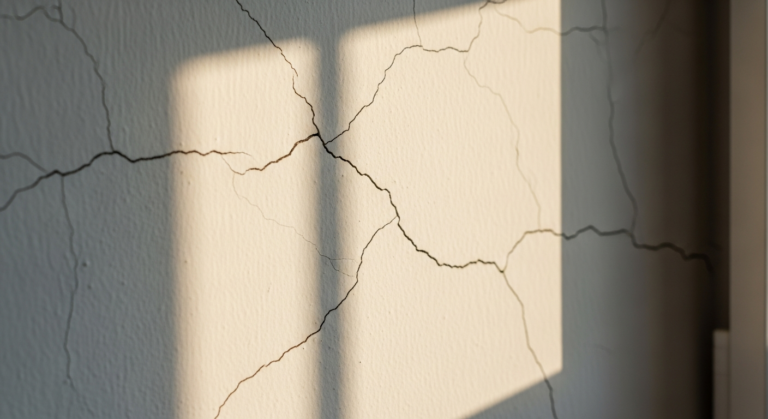
Work tarmac crack filler into hairline cracks using a putty knife, pressing firmly to eliminate air pockets, then compact any pothole areas with cold-lay tarmac repair compound. For comprehensive guidance on more serious damage, see our repair a cracked driveway guide for technique. Allow repairs to cure for a minimum of two hours — or as directed on the product — before sealing over them.
Mask edges and protect adjacent surfaces
Apply masking tape along the base of walls, garage doors, and kerb edges, and lay old newspaper or dust sheets over any adjacent paving or planting. Bitumen-based sealer stains concrete and stone permanently and will kill plants on contact, so edge protection is not optional — it is essential.
Apply the first coat of sealer
Stir or agitate the sealer thoroughly before use, then pour a manageable amount onto the tarmac and spread it in long, even strokes using a squeegee applicator, working from the furthest point back towards your exit. Aim for a consistent coat roughly 1–2 mm thick — avoid puddling in low spots, which causes the sealer to remain soft and tack underfoot for days longer than expected.
Apply a second coat once the first is touch-dry
Allow the first coat to become touch-dry — typically two to four hours in mild, dry conditions — then apply a second coat working perpendicular to the first to ensure even coverage and eliminate any missed lines. Two thin coats always outperform one thick one in terms of durability and finish quality.
Cordon off the driveway and allow full curing
Once both coats are applied, cordon off the driveway with barrier tape and allow a minimum of 24 hours before foot traffic and 48 hours before vehicle use — extend to 72 hours in cold or damp conditions. Driving on uncured sealer causes wheel marks and surface damage that cannot be reversed without reapplication.
Frequently Asked Questions
How often should I reseal a tarmac driveway?
For most domestic driveways, resealing every three to five years is sufficient. Driveways in exposed locations, or those subject to heavy vehicle use, may benefit from resealing every two to three years. Inspect annually and reseal when the surface looks noticeably faded or porous.
Can I reseal tarmac myself or do I need a contractor?
Resealing a standard domestic tarmac driveway is a manageable DIY task for most homeowners. The job requires attention to surface preparation and the correct application technique, but no specialist equipment beyond a squeegee and pressure washer.
What is the best time of year to reseal a tarmac driveway in the UK?
Late spring through early autumn — broadly April to September — offers the best conditions: dry weather, temperatures consistently above 10 °C, and longer drying windows. Avoid application during hot spells where the surface exceeds 35 °C, as this can cause the sealer to set too quickly and produce a streaked finish.
How do I remove oil stains before sealing?
Removing oil stains from a driveway requires a dedicated degreasant rather than a general cleaner — apply it neat to the stain, agitate with a stiff brush, and rinse thoroughly. Sealing over untreated oil prevents adhesion and will cause the coating to peel directly above the stain.
Will tarmac sealer make my driveway slippery when wet?
A standard smooth-finish bitumen sealer can increase surface slip when wet, particularly on any sloped areas. Choose a sealer with an anti-slip additive — fine aggregate is often mixed in — which provides texture and significantly reduces slip risk without affecting the finished appearance.
Before pouring sealer, warm the tin in warm water for 20–30 minutes on a cool day — cold sealer is significantly more viscous and will drag rather than flow, making it near-impossible to achieve an even coat with a squeegee. Consistent viscosity is the single biggest factor in a professional-looking finish.
Sources
- HSE — Slips and trips: the importance of floor surfaces — hse.gov.uk
- Which? — Driveway surfaces: what are your options? — which.co.uk
- GOV.UK — Permeable surfacing and planning permission for driveways — gov.uk
This guide is for general information only. Always work safely and follow manufacturer instructions. DIYnut accepts no liability for injury or damage arising from DIY work.