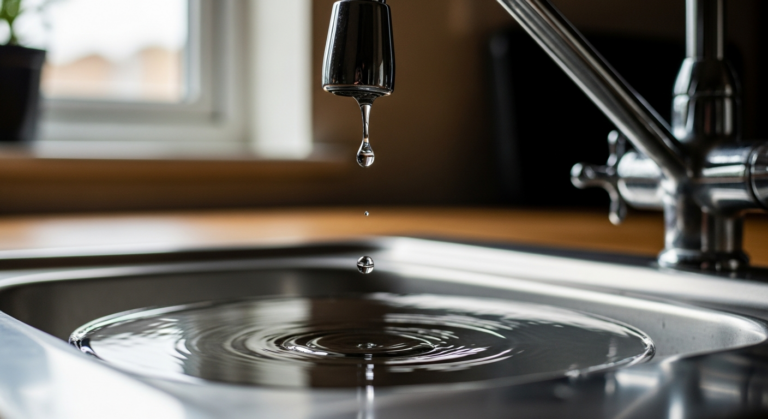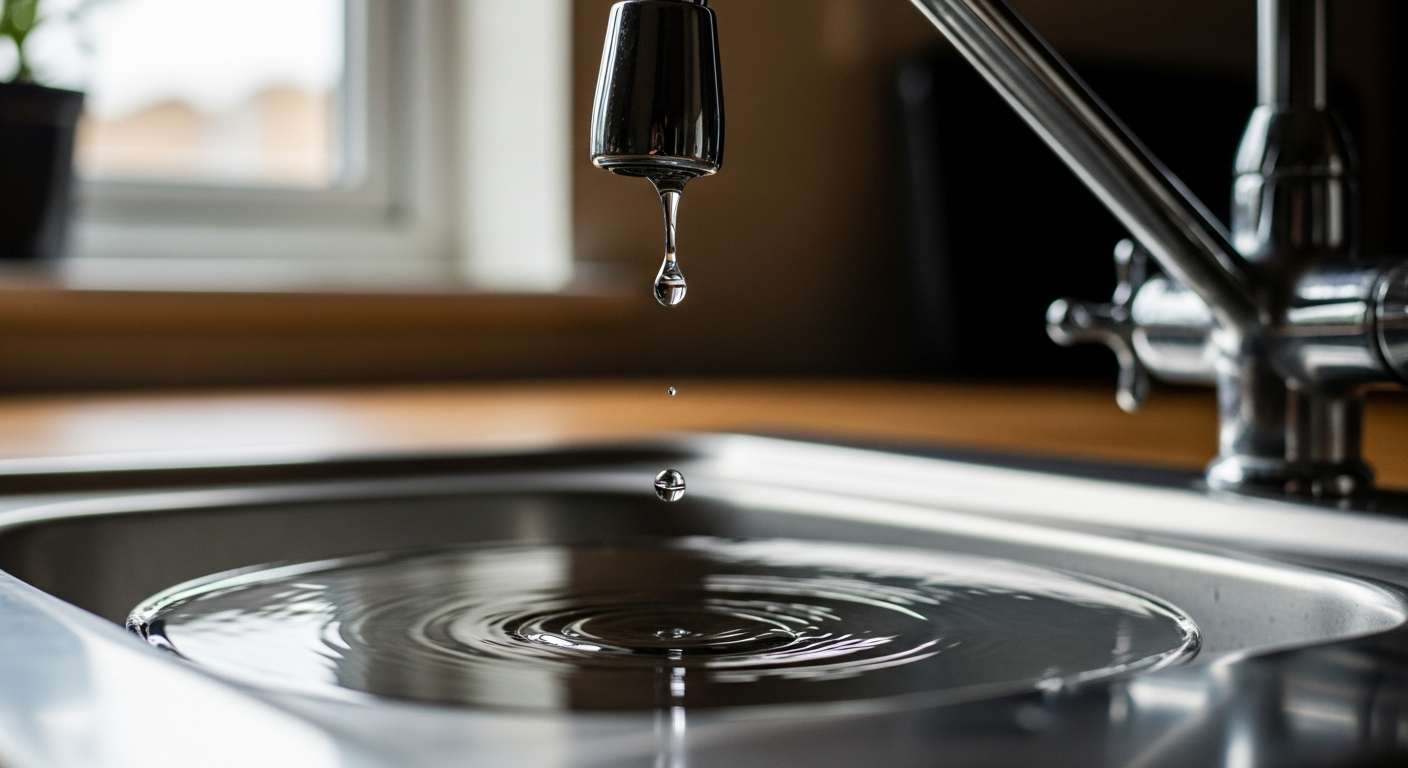
How to Fix a Tap That Won’t Turn Off – DIY Guide
Fix a tap that won’t turn off by first isolating the water supply, then removing the tap handle and headgear to inspect the washer and O-ring. Replace worn components, reassemble, and restore the water supply. Most repairs take under an hour and cost less than £15.

- Adjustable spanner
- Flathead screwdriver
- Phillips screwdriver
- Tap re-seating tool
- Basin wrench
- Slip-joint pliers
- Replacement tap washer
- Replacement O-ring
- Replacement headgear assembly
- PTFE tape
- Plumber’s grease
- Penetrating oil
Step-by-Step Guide
Isolate the Water Supply
Before you touch anything else, turn off the water supply at the isolation valve on the supply pipe beneath the tap, or at the mains stopcock if no isolation valve is present. Turn the tap handle fully to confirm flow has stopped, then open a tap downstairs or on a lower floor to drain residual pressure from the pipe. Lay a dry towel and place a bowl under the tap — even with the supply off, trapped water will escape when you disassemble.
Remove the Tap Handle and Cover
Prise off the decorative cap on top of the tap handle using a flathead screwdriver — the retaining screw sits beneath it. Unscrew the retaining screw, then lift or pull the handle clear of the tap body. If it is stiff, a gentle back-and-forth rocking motion will free it without forcing. Set the handle aside and note the orientation of every part as you remove it; a photograph on your phone at each stage saves guesswork on reassembly.
Unscrew the Headgear
With the handle removed, you will see the headgear — a hexagonal brass nut that secures the valve mechanism into the tap body. Use an adjustable spanner to turn the headgear anticlockwise and unscrew it fully. If the tap body rotates as you apply force, hold it steady with slip-joint pliers or a second spanner on the tap body flats — never let the tap body spin freely or you risk cracking the supply pipe joint below. If the nut is heavily corroded, apply a small amount of penetrating oil and allow it to soak for 10 minutes before trying again.
Inspect and Replace the Washer and O-ring
Lift the headgear assembly clear and examine the rubber washer at its base — if it is flattened, cracked, or has a groove worn into it, this is almost certainly why the tap would not close. Replace the tap washer by removing the retaining nut or circlip holding it in place, then fitting a new washer of the same diameter. Also check the O-ring around the headgear body — a degraded O-ring causes the tap to leak around the spindle rather than through the spout. Replace any O-ring that looks swollen, cracked, or compressed flat, and apply a thin coat of plumber’s grease before fitting the new one.
Check the Tap Seat and Re-seat if Necessary
Shine a torch down into the tap body and inspect the valve seat — the flat brass surface the washer presses against when the tap is closed. If it has a visible groove or pitting, a new washer will not create a proper seal, and the tap will still fail to shut off fully. Use a tap re-seating tool, inserted into the tap body and turned clockwise, to grind the seat back to a smooth, flat surface. This takes around 10–15 rotations and produces a small amount of brass swarf — wipe the seat clean with a damp cloth before reassembling. If the seat is severely damaged, replacing the entire tap headgear assembly is a faster and more reliable fix than re-seating.
Reassemble and Test
Wrap two to three turns of PTFE tape clockwise around the headgear thread before reinserting it into the tap body — this ensures a watertight seal. Hand-tighten the headgear first, then firm it up with the adjustable spanner. Do not overtighten; snug is enough. Refit the handle, replace the retaining screw, and press the decorative cap back into place. Slowly reopen the isolation valve or mains stopcock and observe the tap as pressure returns. Turn the tap handle fully clockwise — it should stop flow cleanly and completely. If any dripping persists at the spout or around the headgear, check your washer and PTFE tape before investigating further. See our guide to fix a leaking kitchen tap if you have ongoing seepage after reassembly.
Frequently Asked Questions
Why won’t my tap turn off even after replacing the washer?
The valve seat inside the tap body is likely grooved or pitted, preventing the new washer from sealing flat against it. Use a tap re-seating tool to grind the seat smooth, or replace the entire headgear assembly if the damage is severe.
Can I fix a tap that won’t turn off without turning off the mains?
Only if there is a working isolation valve on the supply pipe directly beneath the tap — turn the screw 90 degrees with a flathead screwdriver to close it. If no isolation valve is present, you must shut off the mains stopcock before beginning any disassembly.
How do I know whether to fix or replace the tap entirely?
If the tap body is cracked, the thread is stripped, or the valve seat is beyond re-seating, replacement is the more cost-effective option. For a standard tap in otherwise good condition, a washer and O-ring repair costs under £15 and restores full function — see our guide to replacing a kitchen tap if you decide a full swap is the better route.
My tap handle turns but the water won’t stop — what does that mean?
This usually means the washer has worn completely flat or has detached from the headgear, so turning the handle no longer moves the washer into contact with the seat. Remove the headgear and inspect — in some cases the washer retaining nut has also sheared, requiring full headgear replacement.
Is fixing a tap that won’t turn off something I need a plumber for?
No — washer and O-ring replacement on a standard tap is a DIY task with no specialist certification required. However, if the tap feeds an appliance under a manufacturer warranty, or if you need to carry out any work near the gas supply, always consult a qualified professional. The Water Regulations Advisory Scheme (WRAS) provides guidance on water fittings compliance at wras.co.uk.
Before fitting the new washer, run your finger around the valve seat — if it has a groove you can feel with your fingernail, a new washer alone will fail within weeks. Re-seat or replace the headgear at the same time and you will never have to pull the tap apart twice for the same fault.
Sources
- HSE — Safe use of water fittings and plumbing maintenance guidance — hse.gov.uk
- WaterSafe — Find an approved plumber and water fittings advice — watersafe.org.uk
- Which? — How to fix a dripping tap — which.co.uk
Safety Notice: Electrical and plumbing work can be dangerous if done incorrectly. In the UK, certain electrical work must comply with Part P of the Building Regulations and certain plumbing work with Part G. If in doubt, consult a qualified electrician (NICEIC/NAPIT registered) or plumber (CIPHE/WaterSafe registered). This guide is for general information only — it is not a substitute for professional advice.