Roof Tile Types Guide UK – DIY Guide
Roof tile types in the UK include concrete interlocking tiles, clay plain tiles, slate, and concrete pantiles. Each suits different roof pitches, architectural styles, and budgets. Matching the right tile to your roof structure and local planning rules is essential before any replacement or repair work begins.

Understand the Main UK Roof Tile Categories
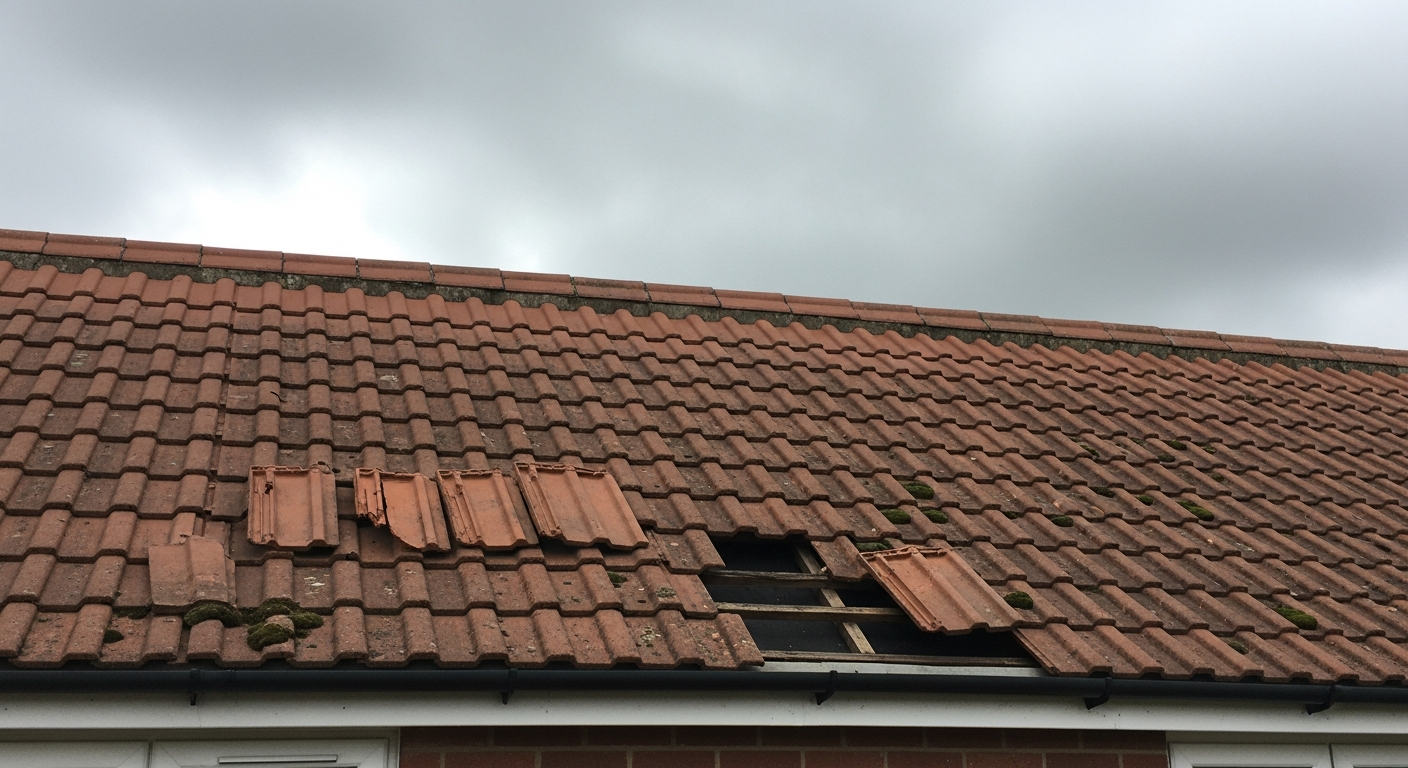
There are four principal types used on UK pitched roofs. Clay plain tiles are the oldest and most traditional — small, flat, and typically 265 mm × 165 mm, used on pitches of 35° or steeper. They are common on Victorian and Edwardian properties and in conservation areas. Concrete interlocking tiles are the most widely fitted on post-1960s homes — larger format, faster to lay, and cheaper per square metre. Natural slate (Welsh, Spanish, or Brazilian) is thin, durable, and suitable for pitches from 20° upwards; it is the premium option and demands a premium price. Concrete pantiles have a single roll profile and suit agricultural or East Anglian vernacular styles. Knowing which category your existing roof falls into tells you which products are suitable replacements.
Check Your Roof Pitch Before Selecting a Tile
Every tile type has a minimum pitch rating — fitting a tile below its rated angle will cause water ingress regardless of how well it is bedded. Measure your roof pitch using a smartphone inclinometer app or a spirit level and protractor held against the rafter. As a rule: concrete single-lap interlocking tiles typically work from 17.5°, clay plain tiles need at least 35°, and natural slate can go as low as 20° with the correct headlap. If you are unsure what your pitch is, a roofing contractor can confirm it during an inspection. Getting the pitch wrong is one of the most common causes of roof leaks that are difficult to trace .
Check Planning and Conservation Restrictions
If your property is a listed building or sits within a conservation area, you may need planning permission to change the tile type or colour — even like-for-like replacements can require approval if the material changes. Check with your local planning authority before ordering. Natural slate and clay plain tiles are most commonly specified in conservation areas. In some regions, local planning policies also restrict the use of concrete tiles on roofs visible from the street. The Planning Portal (gov.uk) holds guidance on permitted development rights for roofing work. Replacing tiles on a listed building without consent is a criminal offence under the Planning (Listed Buildings and Conservation Areas) Act 1990.
Compare Tile Costs and Lifespan Before Buying
Budget is a key factor but should be weighed against lifespan. Concrete interlocking tiles cost roughly £25–£50 per square metre supplied, with an expected lifespan of 30–50 years. Clay plain tiles run £50–£90 per square metre and can last 60–100 years or more. Natural slate sits at £60–£120 per square metre depending on origin, with a potential lifespan of 80–150 years for quality Welsh slate. Reconstituted slate sits between concrete and natural on both price and longevity. Always buy 10–15% extra for cuts, breakages, and future repairs. If you are only replacing individual damaged tiles rather than a full re-roof, our guide on how to replace a broken roof tile walks you through the process step by step.
Source a Matching Sample and Confirm With Your Supplier
Take a physical tile sample — ideally removed carefully from an out-of-sight section of the roof — to your roofing merchant. Tile profiles, colours, and dimensions change over decades and manufacturers regularly discontinue lines. A good supplier will cross-reference your sample against current stock and advise on the closest match. For ridge and hip tiles, the same matching exercise applies; mismatched ridge tiles are a common cause of leaks around chimney and ridge areas . Once you have confirmed the tile type, gauge, and colour match, place your order with the contingency quantity included.
Frequently Asked Questions
What is the most common roof tile type on UK houses?
Concrete interlocking tiles are the most common tile type on UK homes built after 1960. They are cost-effective, quick to lay, and available in a wide range of profiles and colours to suit most standard pitched roofs.
How long do roof tiles last in the UK?
Lifespan varies significantly by material: concrete tiles typically last 30–50 years, clay tiles 60–100 years, and quality natural Welsh slate can exceed 100 years. The condition of the battens, underlay, and fixings also affects overall roof longevity.
Can I mix old and new tiles on my roof?
Yes, provided the replacement tiles match the original profile, gauge, and fixing method exactly. Mixing incompatible tiles creates alignment problems and gaps that allow wind-driven rain to enter.
Do I need planning permission to replace roof tiles?
Most like-for-like tile replacements on standard residential roofs are covered under permitted development rights and do not require planning permission. However, listed buildings, conservation areas, and changes to tile material or colour may require consent — always check with your local planning authority before starting work. See the roofing guide for a broader overview of when permissions apply.
What is the difference between clay and concrete roof tiles?
Clay tiles are fired natural materials with a longer lifespan and traditional aesthetic, making them common in conservation areas. Concrete tiles are manufactured from cement, sand, and aggregate — they are heavier per tile, less expensive, and more widely available, but can fade in colour over time and typically have a shorter service life.
When sourcing replacement tiles for a partial re-roof, always ask your merchant for tiles from a single production batch — tile colour and profile tolerances vary between batches, and mixing batches from different production runs can create visible patching even when the product code is identical. A good merchant will reserve a batch for you.
Sources
- Planning Portal — Roofs: Permitted Development guidance — planningportal.co.uk
- HSE — Work at Height Regulations 2005 — hse.gov.uk
- Historic England — Roofing: Practical Building Conservation — historicengland.org.uk
This guide is for general information only. Always work safely and follow manufacturer instructions. DIYnut accepts no liability for injury or damage arising from DIY work.