How to Fix Hairline Cracks in Walls – DIY Guide
How to Fix Hairline Cracks in Walls
Fill fine wall cracks cleanly and paint over them for a flawless finish.
Fix hairline cracks in walls by raking out loose material, brushing away dust, applying flexible filler with a putty knife, sanding smooth once dry, then priming and painting. Most hairline cracks are cosmetic and can be repaired in under an hour.

- Putty knife or filling knife
- Fine-grit sandpaper (120–180 grit)
- Dusting brush or soft paintbrush
- Sanding block
- Small paint roller or brush
- Safety goggles
- Flexible interior filler
- Fine surface filler or skim coat compound
- PVA adhesive (diluted)
- Fine sandpaper
- Primer or mist coat
- Matching wall paint
- Clean cloth or damp sponge
Step-by-Step Guide
Assess the Crack and Its Cause
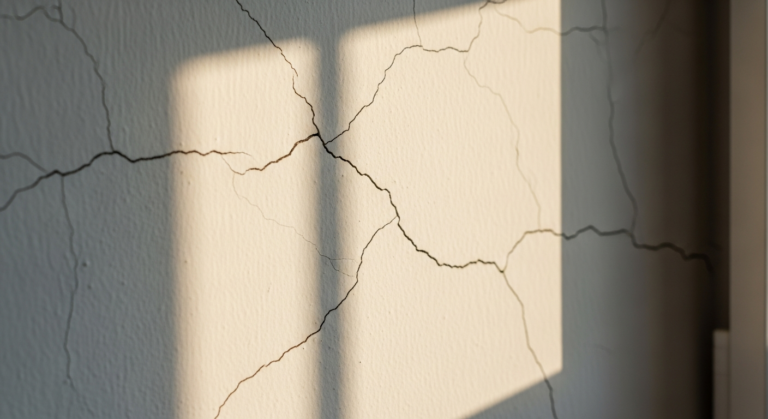
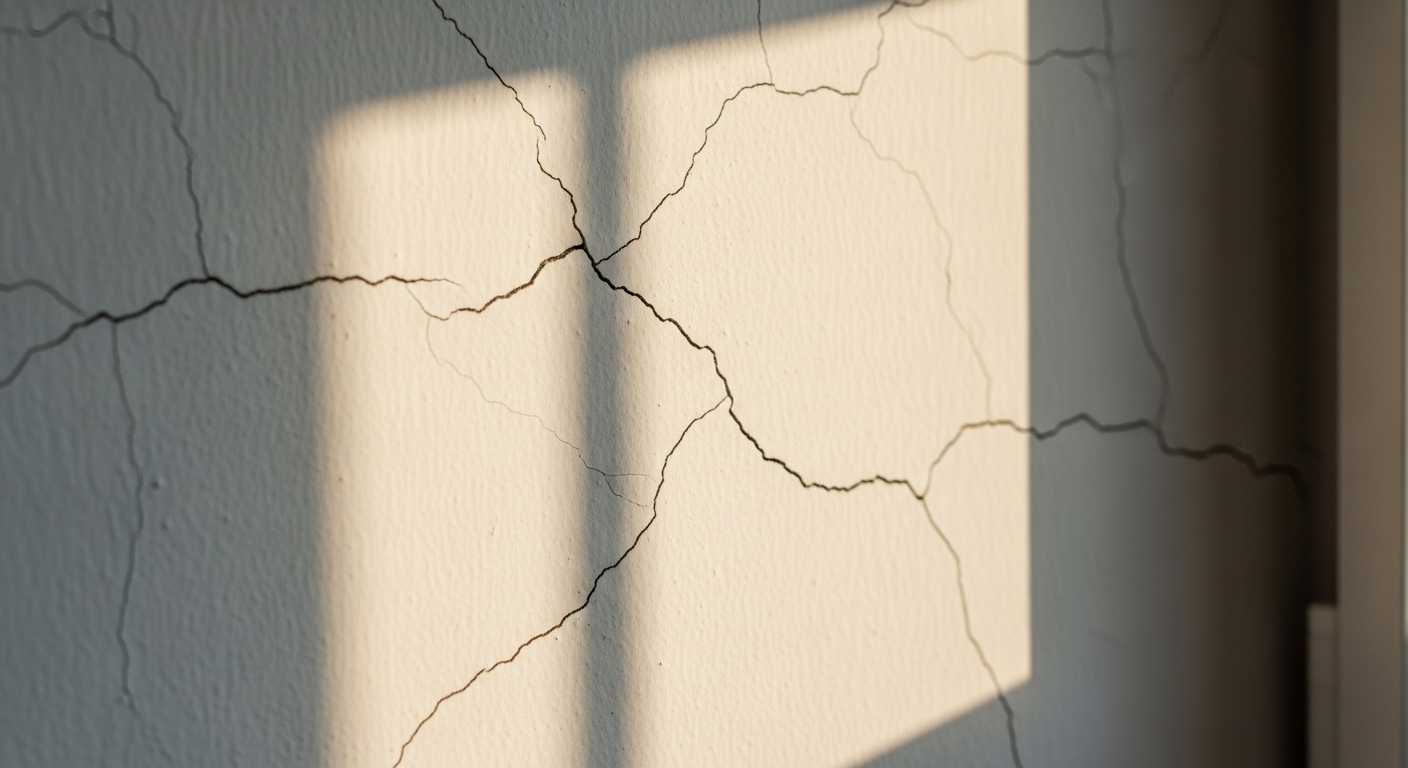
Before reaching for the filler, check whether the crack is structural or simply cosmetic. Hairline cracks under 1 mm wide that run along plaster joins or appear after seasonal temperature changes are normal settlement cracks and safe to fill yourself. If a crack is wider than 3 mm, runs diagonally from a door or window corner, or is actively growing, consult a structural engineer before proceeding — these can indicate subsidence. Also check for any signs of damp nearby; filling over active damp will cause the repair to fail. Our guide to fixing damp on interior walls covers what to look for before you start filling.
Rake Out and Clean the Crack
Use the corner of a filling knife or a nail to gently rake along the crack and open it slightly — this removes loose plaster and gives the filler a better surface to bond to. Don’t widen it unnecessarily; just clear anything that’s already loose. Brush out all dust with a dry paintbrush, then wipe the area with a barely damp cloth and allow it to dry completely. Skipping this step is one of the most common reasons repairs fail — filler applied over dust simply won’t adhere.
Apply a Diluted PVA Bonding Coat
Mix PVA adhesive with water at roughly 1 part PVA to 4 parts water and brush it into the crack and onto the surrounding plaster. This seals the porous surface, slows the filler’s drying time enough for it to bond properly, and prevents the wall from sucking moisture out of the filler too quickly. Allow the PVA to become tacky — usually 10 to 15 minutes — before applying filler. On older, very dry plaster this step makes a significant difference to how long the repair lasts.
Fill the Crack with Flexible Filler
Load a small amount of flexible interior filler onto your filling knife and press it firmly into the crack at a slight angle, working along the full length in one smooth pass. Flexible filler is preferable to rigid all-purpose filler for hairline cracks because walls continue to move slightly with temperature and humidity — a rigid filler will crack again. Overfill very slightly so the filler sits proud of the surface, then drag the knife back across at 90 degrees to level it off. For very fine cracks, a fine surface filler or skim coat compound applied with a finger can give a neater result than a knife. If you have larger cracks to fill elsewhere on the same wall, deal with those using the same session’s mixed filler.
Sand and Prime the Repaired Area
Once the filler is fully dry — allow at least 2 to 4 hours depending on depth and room temperature — sand the repair flat using 120–180 grit sandpaper wrapped around a sanding block. Work in light circular strokes and check the surface by raking a torch beam across the wall at a low angle; this will highlight any unevenness you can’t see in normal light. Brush away all sanding dust, then apply a coat of diluted PVA or a dedicated wall primer to seal the filled area before painting. If you skip priming, the filler will absorb the first coat of paint and show as a dull, flat patch — even through multiple coats. If the surrounding plaster is blown or hollow-sounding, read our guide to repairing blown plaster before painting over it.
Paint to Match the Surrounding Wall
Apply your topcoat once the primer is dry. Use the same paint finish as the surrounding wall — matt for most living areas, eggshell or soft sheen for kitchens and bathrooms. Feather the paint out beyond the repair by at least 150 mm in each direction so the edges blend rather than create a visible patch. Two thin coats will give a better result than one thick coat. If the existing wall paint has aged and the repaired area looks noticeably brighter, you may need to repaint the entire wall panel from corner to corner for a consistent finish. For help achieving clean edges when painting, see our tips on how to cut in paint neatly.
Frequently Asked Questions
Are hairline cracks in walls normal?
Yes — fine hairline cracks are extremely common in UK homes, especially in newly built or recently plastered properties. They typically result from normal settlement, seasonal temperature change, or the plaster drying out after application, and are not a structural concern. If you want to understand more about what causes them, our guide to why walls crack covers the main causes in detail.
What is the best filler for hairline cracks in walls?
A flexible interior filler is the best choice for hairline cracks, as it accommodates the slight movement walls undergo with changes in temperature and humidity. For very fine surface cracks, a fine surface filler or skim coat compound can give a smoother result that requires less sanding.
How long does hairline crack filler take to dry?
Most flexible and fine surface fillers are touch-dry within 1 to 2 hours and fully cured within 2 to 4 hours, depending on the depth of the fill, room temperature, and humidity levels. Always wait until the filler has turned completely white and is hard to the touch before sanding.
Can I just paint over hairline cracks without filling them?
Painting over unfilled cracks will hide them temporarily, but paint alone has no bridging strength and the crack will show through once the paint settles — particularly with matt finishes. Always fill, prime, and then paint for a repair that lasts.
When should I call a professional about wall cracks?
Call a structural engineer or qualified surveyor if a crack is wider than 3 mm, runs diagonally from the corner of a door or window opening, appears on an external wall, or is visibly growing over time. The Royal Institution of Chartered Surveyors (RICS) provides guidance on finding a qualified surveyor at rics.org.
After sanding, drag a wide taping knife flat across the repair under a raking light source — if the blade rocks at any point, that hollow needs another thin coat of filler before you prime. Catching unevenness at this stage takes 30 seconds; catching it after painting means starting over.
Sources
- HSE — Working safely with plaster and fillers — hse.gov.uk
- Which? — How to fill cracks in walls — which.co.uk
- RICS — Understanding cracks in your home — rics.org
This guide is for general information only. Always work safely and follow manufacturer instructions. DIYnut accepts no liability for injury or damage arising from DIY work.