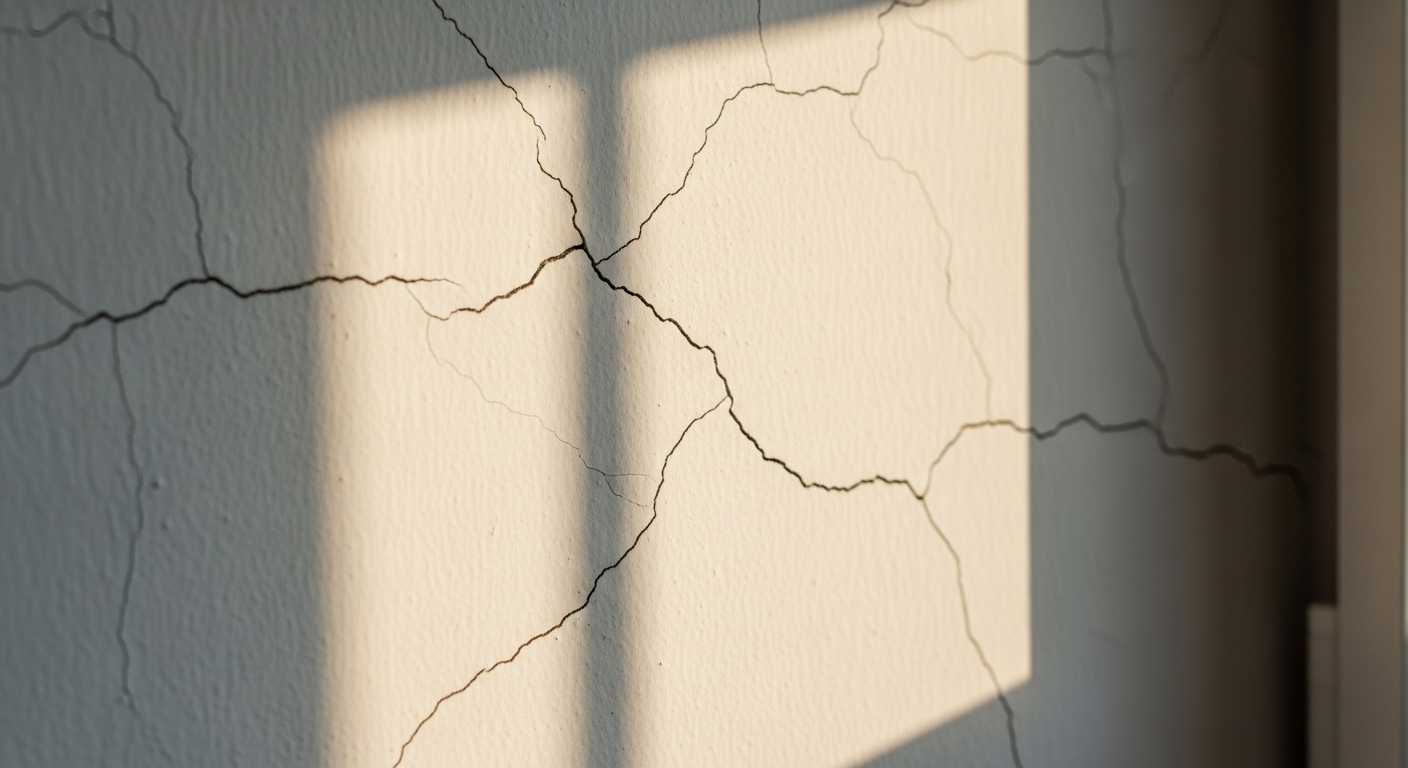
How to Cut and Fit Plasterboard – DIY Guide
Walls & Plastering › Plasterboard
How to Cut and Fit Plasterboard
Score, snap, and fix plasterboard cleanly for a flat, ready-to-skim finish.
Cut and fit plasterboard by measuring and marking each sheet, scoring the face paper deeply with a craft knife, snapping it away from you, then cutting the backing paper. Fix boards to timber studs or ceiling joists using plasterboard screws at 300 mm centres, keeping edges centred on framing.

- Tape measure
- Pencil
- Straight edge or long spirit level
- Craft knife with fresh blades
- Padsaw or jab saw
- Screw gun or cordless drill-driver
- Rasp or surform plane
- Plasterboard sheets (12.5 mm standard)
- Plasterboard screws (38 mm for stud work)
- Jointing tape
- Board finish plaster or jointing compound
- Timber noggins or additional framing
- Plasterboard angle bead
- Dust sheet
Step-by-Step Guide
Measure and Mark Each Sheet
Take accurate measurements of each area before touching any board. Mark cutting lines clearly on the grey face side using a pencil and straight edge — measure twice, cut once. Allow a 3–5 mm clearance gap at floor level so boards do not sit in moisture. For awkward shapes around door frames or sockets, create a card template first and transfer the outline to the board.
Score and Snap the Plasterboard
Place the board face-up on a flat surface. Run a sharp craft knife firmly along your marked line, scoring through the face paper and into the gypsum core — one clean, confident pass is better than multiple light strokes. Lift the board and snap it away from you over the line; the gypsum will break cleanly along the score. Finish by slicing through the backing paper with the knife. Smooth any rough edges with a rasp so the board sits tight against adjacent sheets. If you need to repair blown plaster on existing walls nearby, do that before fitting new board.
Cut Holes for Sockets and Pipes
Mark outlet positions precisely by measuring from two fixed reference points and double-checking. Use a padsaw or jab saw to cut openings for back boxes, pipes, and ceiling roses — do not use a craft knife for internal cuts as it will tear rather than cut cleanly. Keep the cut as tight to the mark as possible; oversize holes weaken the board and are difficult to make good afterwards. Always isolate electrical circuits before cutting near existing wiring, in line with HSE electrical safety guidance.
Fix Boards to the Frame
Start at one corner and work across the wall or ceiling, keeping all sheet edges centred on a stud or joist so both boards share the same fixing point. Drive plasterboard screws at 300 mm centres across the field of the board and at 150 mm centres along edges, sinking each screw head just below the surface without breaking the face paper. For stud walls, refer to our guide on the Walls & Plastering Guide for framing spacing requirements. Stagger vertical joints between rows so they do not align — this improves rigidity and reduces cracking.
Tape and Fill the Joints
Once all boards are fixed, press jointing tape firmly into the recessed joints between sheets. Apply a thin coat of jointing compound or board finish plaster over the tape, feathering it out at least 150 mm either side of the joint. Allow to dry fully, lightly sand, and apply a second coat if needed. Fill screw dimples with compound and sand flush. External corners should be protected with angle bead, tapped into position and secured with screws or staples before finishing. Once complete, the surface is ready to skim coat for a smooth plastered finish.
Inspect and Prime Before Decorating
Run a long straight edge across the finished surface to check for any high spots at joints or around screw heads. Sand any proud areas back and re-fill if needed. Before painting or papering, apply a coat of diluted PVA solution or a dedicated plasterboard primer to seal the porous surface — skipping this step causes uneven paint absorption and a patchy finish. If you plan to remove old wallpaper from adjacent surfaces, do so before fitting new boards to avoid splashing compound with wet stripper.
Frequently Asked Questions
What thickness plasterboard should I use?
12.5 mm is standard for walls and ceilings in most UK homes. Use 15 mm for ceilings where joist spacing is wider than 450 mm, and 9.5 mm only for curved surfaces or secondary layers — it is too thin for general use on its own.
Do I need to plaster over plasterboard?
You do not have to. You can tape, fill, and paint directly onto plasterboard for a smooth finish. However, a 2–3 mm skim coat of finish plaster gives a far better surface for painting and hides joint lines completely — most tradespeople skim as standard.
How do I cut a clean circle in plasterboard?
Use a hole saw attachment on a drill for clean circular cutouts such as downlight apertures or soil pipe penetrations. Mark the centre point first, drill a pilot hole, then cut at slow speed. A padsaw can cut circles if you drill a starter hole first, though the edge will be less clean.
Can I hang heavy items on plasterboard walls?
Plasterboard alone will not support heavy loads — always fix into the timber studs behind using appropriate wood screws. For items between studs, fit a timber noggin between the framing during installation, or use cavity fixings rated for the load you intend to hang.
What is the correct screw spacing for plasterboard?
300 mm centres across the field of the board and 150 mm centres along the edges where two boards meet on a stud. Keep screws at least 10 mm from cut edges and 13 mm from tapered edges to avoid crumbling the gypsum core.
Hang plasterboard on ceilings before walls — ceiling boards lock the top edge of the wall boards in place, which reduces the number of fixings needed and tightens the whole installation. On ceilings, always work perpendicular to the joists so every sheet spans at least three fixing points.
Sources
- HSE — Electricity at Work Regulations and safe working near electrical installations — hse.gov.uk
- GOV.UK — Building Regulations Part A: Structure and Part E: Sound — gov.uk
- Which? — Plastering and plasterboard: what you need to know — which.co.uk
This guide is for general information only. Always work safely and follow manufacturer instructions. DIYnut accepts no liability for injury or damage arising from DIY work.