How to Render an Outside Wall – DIY Guide
Walls & Plastering › Rendering
How to Render an Outside Wall
Get a weatherproof, professional-looking finish on any exterior wall yourself.
To render an outside wall, clean and dampen the surface, apply a scratch coat of sand and cement render, key it while wet, then apply a smooth finish coat. Allow each coat to cure fully before the next. Two coats gives a durable, weatherproof result on most brick or block walls.

- Plastering trowel
- Scratch comb or devilling float
- Hawk board
- Bucket and mixing paddle
- Spirit level
- Corner bead applicator or tin snips
- Soft brush
- Scaffold tower or step ladder
- Sand and cement render mix (or pre-mixed bagged render)
- Sharp sand
- Cement
- PVA bonding agent
- Galvanised corner beads
- Exterior waterproofing additive
- Render mesh tape (for cracks or joints)
- Masonry primer
Step-by-Step Guide
Prepare and Clean the Wall Surface
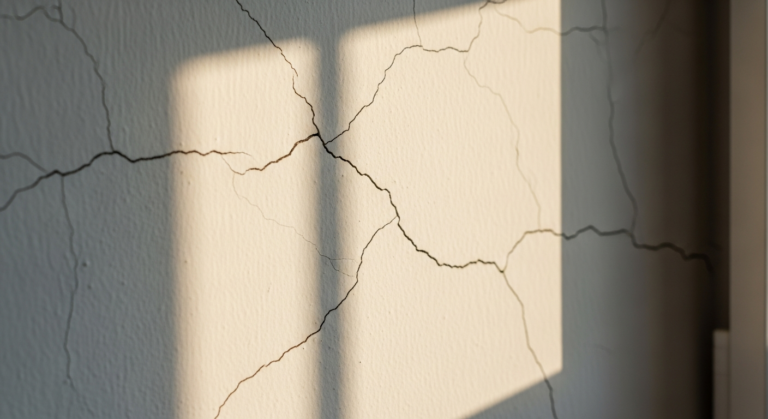
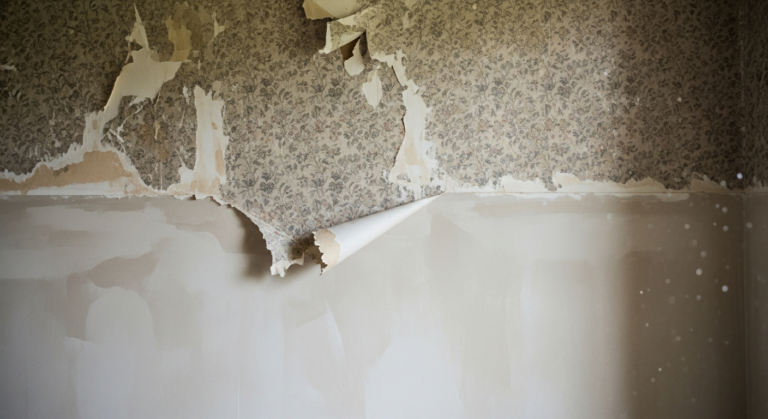
Remove any loose paint, flaking render, moss, or algae using a stiff brush and, where needed, a cold chisel and hammer. Repair any deep cracks or damaged areas before you start. A clean, sound substrate is non-negotiable — any contamination or loose material will cause the new render to delaminate within months.
Apply Bonding Agent and Fix Corner Beads
Dilute PVA bonding agent to the manufacturer’s ratio and brush it generously over the entire wall. While it is still tacky (not fully dry), fix galvanised corner beads to all external corners using dabs of render — these create a straight, protected edge and act as a depth guide for your trowel. Straight corners are one of the biggest visual markers of a professional render job, so take time to get them plumb with a spirit level.
Mix and Apply the Scratch Coat
Mix your render to a firm, damp consistency — it should hold its shape on the hawk without slumping. A standard mix is 1 part cement to 4 parts sharp sand, plus a small measure of waterproofing additive. Apply the scratch coat at 8–12 mm thick using a plastering trowel, working from the bottom upward and pressing firmly into the surface. Once applied, run a scratch comb or devilling float across the surface in horizontal passes to create a keyed texture — this mechanical grip is what bonds the finish coat.
Allow the Scratch Coat to Cure
Leave the scratch coat to cure for at least 24 hours before applying the finish coat — in cold or damp weather, allow 48 hours. Keep it damp by misting lightly with water if temperatures are above 15 °C or if there is direct sun; render that dries too fast will crack. Avoid rendering in freezing conditions, as frost will destroy the mix before it gains strength. The HSE recommends appropriate weather awareness when working at height on scaffold, so check the forecast before committing to a full day’s work.
Apply the Finish Coat
Dampen the scratch coat with a brush before applying the finish coat to prevent suction pulling moisture out too fast. Apply the finish coat at 6–8 mm thick, again working upward and using the corner beads as your depth guide. For a smooth finish, use a wet plastering trowel with circular polishing passes once the coat has firmed slightly. For a textured finish — such as a pebble dash or tyrolean effect — apply the texture while the coat is still green (partially set). If you plan to paint the exterior wall afterwards, a smooth float finish is the easiest surface to work with.
Cure, Check, and Finish
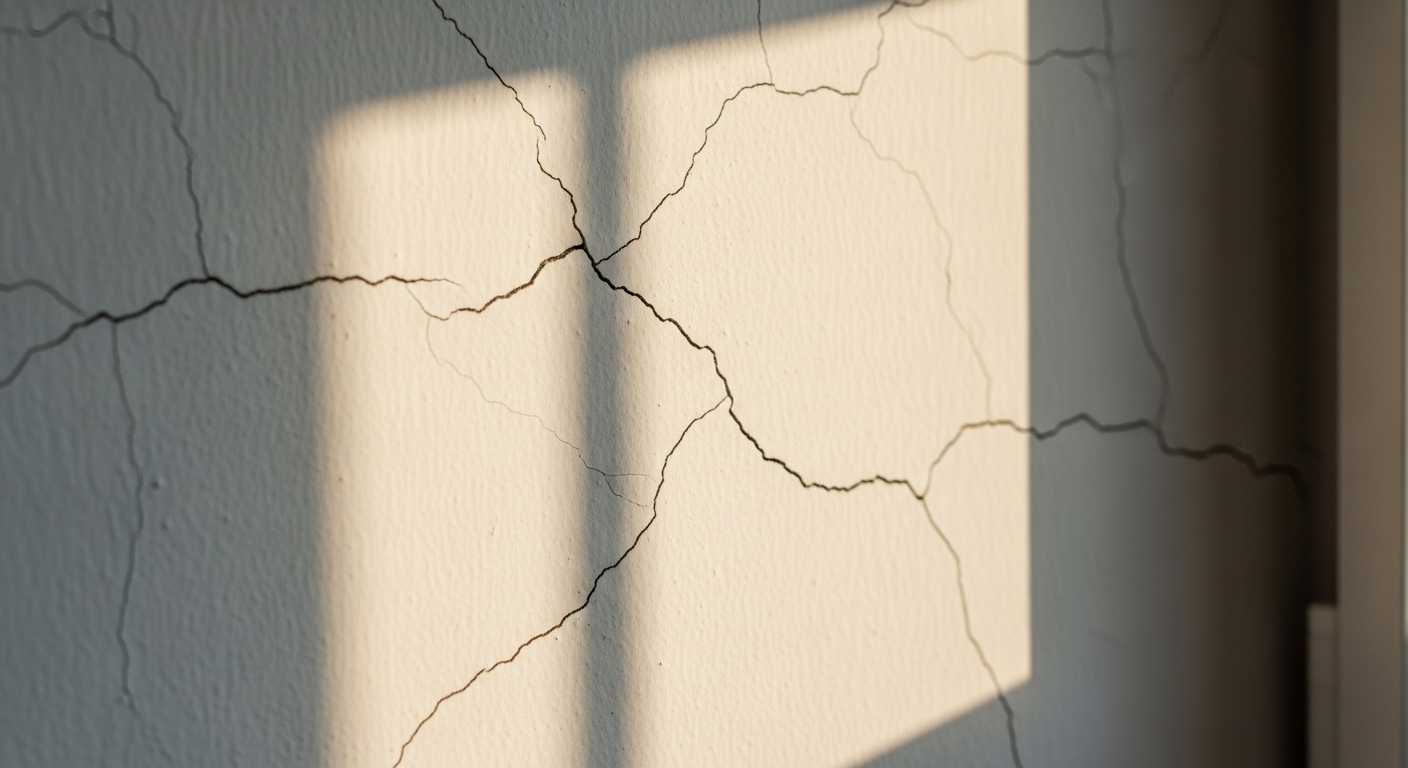
Allow the finish coat to cure for a minimum of 28 days before painting — fresh render is highly alkaline and will break down standard exterior paint if applied too soon. Once cured, inspect for any hairline shrinkage cracks; minor ones can be filled with exterior flexible filler. For ongoing damp protection, review your rising damp risks before sealing the wall, as render can trap moisture if the source has not been addressed.
Frequently Asked Questions
Do I need planning permission to render an outside wall?
In most cases, no — rendering an existing wall is considered maintenance and does not require planning permission. However, if your home is listed or in a conservation area, you should check with your local planning authority before starting work.
What is the difference between sand and cement render and monocouche render?
Traditional sand and cement render requires two coats and must be painted once cured. Monocouche (single-coat) render is a factory-blended product applied in one coat — it is coloured through the mix so it does not need painting, but it is significantly more expensive per bag.
Can I render over old render?
How long does external render last?
A well-applied sand and cement render on a sound substrate typically lasts 20–30 years before needing significant repair. Lifespan depends heavily on mix quality, application technique, the number of coats, and whether the wall was properly sealed against damp. Understanding how damp affects walls will help you protect your render long-term.
What temperature is safe for rendering outside?
The safe working range is between 5 °C and 30 °C, with an air temperature that is not expected to drop below 5 °C for at least 24 hours after application. Frost will destroy freshly applied render before it gains strength, and direct summer sun can cause it to dry too fast and crack. Our full walls and plastering guide covers working conditions in more detail.
Before applying the scratch coat, check the wall’s suction by flicking water at the surface — if it absorbs instantly, the substrate is too dry and will rob moisture from the render before it bonds. Dampen high-suction walls in sections just ahead of applying each area of render, not all at once, so you are always working onto a surface that is damp but not streaming wet.
Sources
- HSE — Working at Height Regulations 2005: guidance for workers — hse.gov.uk
- Planning Portal — Do I need planning permission? Exterior walls — planningportal.co.uk
- Which? — How to render a wall — which.co.uk
This guide is for general information only. Always work safely and follow manufacturer instructions. DIYnut accepts no liability for injury or damage arising from DIY work.