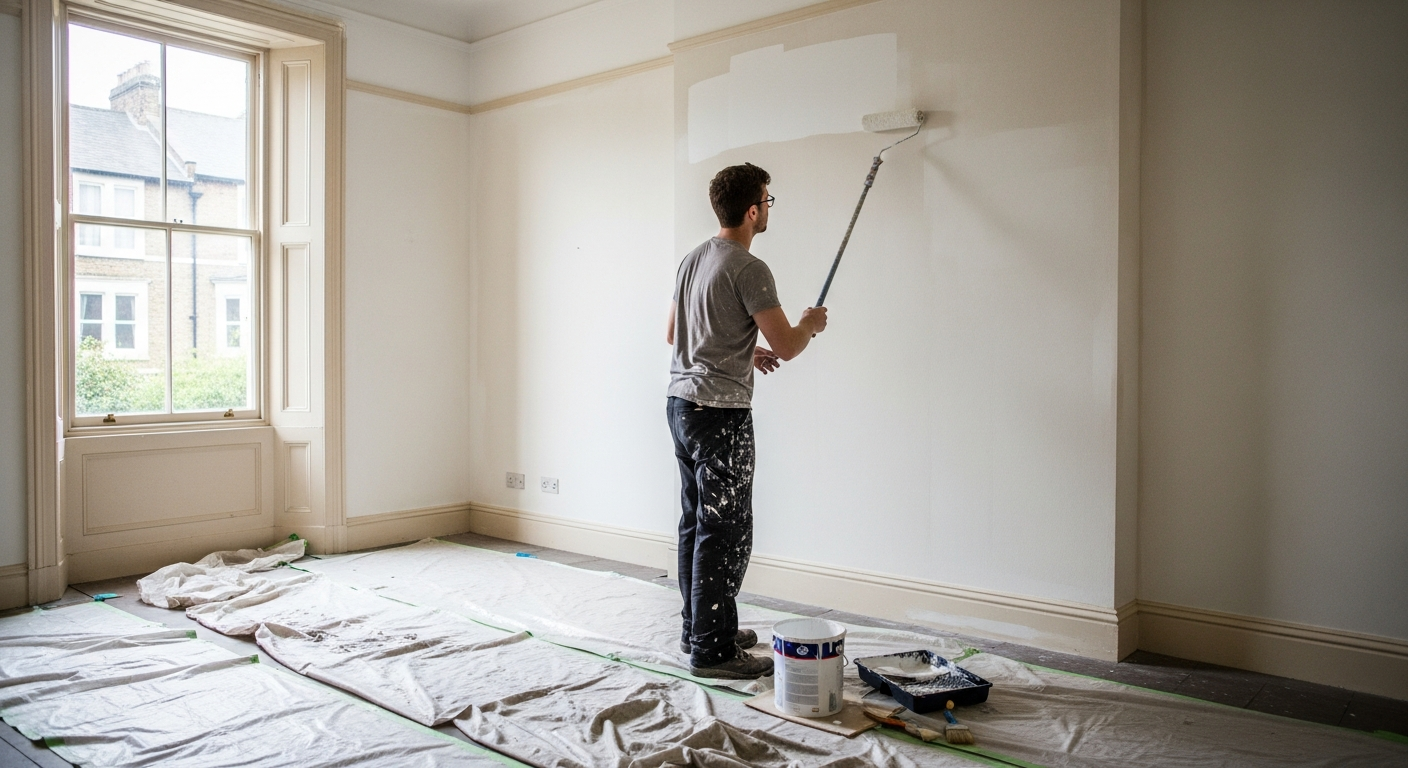
How to Paint a Small Room to Look Bigger – DIY Guide
How to Paint a Small Room to Look Bigger
Use colour, finish, and technique to make any small room feel noticeably larger.
To paint a small room to look bigger, use a light, cool-toned matt emulsion on all four walls and the ceiling in the same shade. Keep skirting boards and woodwork the same colour as the walls to remove visual breaks and push the boundaries of the room outward.

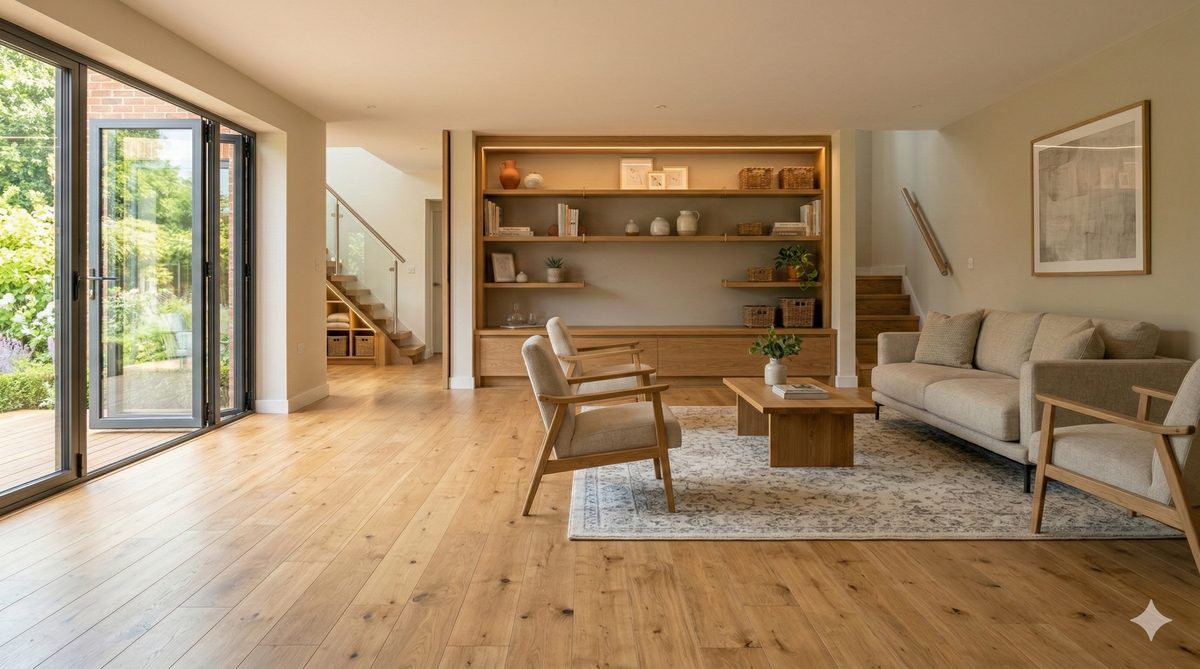
- Paint roller and sleeve
- Roller tray
- 2.5 inch angled cutting-in brush
- Wooden stirring stick
- Masking tape
- Dust sheets
- Stepladder
- Small foam roller for woodwork
- Light matt emulsion paint
- Ceiling paint (same shade or one shade lighter than walls)
- Satinwood or eggshell paint for woodwork (matched to wall colour)
- Fine surface filler
- Sandpaper (120 grit)
- Sugar soap solution
- Lint-free cloths
- Painter’s masking tape
Step-by-Step Guide
Prepare and clean the walls
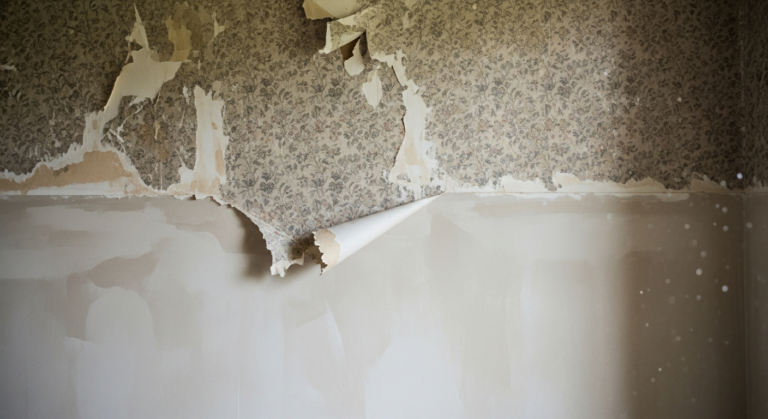
Fill any cracks or holes with fine surface filler, sand back flush once dry, and wipe all surfaces down with sugar soap solution to remove grease and dust. Paint will not bond evenly to a dirty or uneven surface — proper prep is what separates a flat professional result from a patchy one. If you have existing cracks to deal with, our guide on how to fill wall cracks covers the full process.
Choose the right colour and finish
Select a light, cool-toned matt emulsion — soft whites, pale greys, and muted blue-greens all work well. Matt finish is essential: it absorbs light rather than reflecting it, which prevents the walls from looking closer than they are. Avoid warm creams or yellows, which advance visually and make walls feel nearer. Buy enough to paint walls, ceiling, and woodwork in the same or closely matched shade — the fewer tonal breaks in the room, the more expansive it will feel.
Paint the ceiling the same colour as the walls
This is the single most effective technique for making a small room feel bigger. When the ceiling tone matches the walls, the eye cannot find the join and the room appears taller. Use a ceiling paint or a flat matt emulsion in the same shade — apply it first, working in sections with a roller, before moving to the walls. Keeping the ceiling and walls uniform removes the visual ‘lid’ that a contrasting white ceiling creates.
Cut in and roll the walls
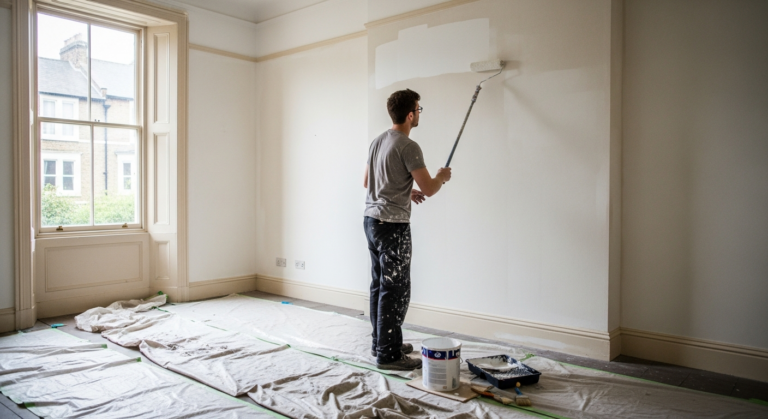
Use an angled cutting-in brush to paint a neat band around all edges, corners, and door and window frames before rolling. Roll in overlapping ‘W’ or ‘M’ strokes across each wall section, working into the wet edges of your cut-in line. Apply two coats, allowing full drying time between coats. For guidance on achieving a clean edge without bleeds or drips, see our step-by-step advice on how to cut in paint neatly.
Paint skirting boards and woodwork to match the walls
Use a satinwood or eggshell paint mixed or matched to your wall colour and apply it to skirting boards, door architraves, and window frames. When woodwork contrasts sharply with walls — typically white gloss against a coloured wall — it acts as a visual frame that cuts the room into smaller sections. Matching or closely toning the woodwork removes those frames and lets the eye travel freely around the room, increasing the perceived floor area. Check our guide to how to prep and undercoat wood before applying your topcoat.
Review and apply a second coat where needed
Once the first full coat is dry, check under natural light for thin spots, missed edges, or tonal variation. Apply a second coat across any uneven areas — two full coats are almost always needed for a consistent, light-reflective finish. Step back and assess the room as a whole before the paint fully cures. If you are unsure how many coats to apply for full, even coverage, our guide on how many coats of paint explains when one coat is sufficient and when it never is.
Frequently Asked Questions
What is the best colour to paint a small room to make it look bigger?
Light, cool-toned shades — pale grey, off-white, soft sage, or muted blue-grey — work best. Cool tones recede visually, while light values reflect available daylight and keep the room feeling airy. Avoid warm whites or cream, which tend to advance and make walls feel closer.
Should I paint the ceiling the same colour as the walls in a small room?
Yes — this is one of the most effective techniques available. Matching the ceiling to the walls removes the visual boundary between the two surfaces, making the room feel taller and more open. Use the same matt emulsion shade or go one shade lighter on the ceiling.
Does paint finish make a difference in a small room?
It makes a significant difference. Matt emulsion absorbs light and creates a flat, recessive surface that makes walls appear further away. Silk or satin finishes reflect light back toward the viewer, which makes walls look shiny and closer. Our guide to choosing the best paint finish for walls explains when each finish is appropriate.
Can I use a feature wall in a small room?
It is rarely a good idea. A feature wall in a deep or warm colour breaks the visual envelope of the room and draws the eye to one surface, making the space feel divided and smaller. If you want to add character, consider a subtle tonal difference or a textured wallpaper rather than a high-contrast colour.
How do I make a small room with a low ceiling feel taller?
Paint the ceiling and walls in the same shade — or the ceiling one shade lighter — to remove the horizontal dividing line. Avoid picture rails or borders that cut across the height of the wall. Vertical elements like floor-length curtains and tall, narrow furniture also draw the eye upward and increase the perceived ceiling height.
Apply your wall paint to the inside of door reveals and window embrasures as well — painting those returns the same colour as the walls wraps the colour around the room and eliminates the visual interruption created by white-painted reveals. It costs nothing extra and adds a noticeably more considered, expansive feel.
Sources
- Which? — How to make a small room look bigger — which.co.uk
- BBC Homes — Small room decorating tips — bbc.co.uk
- Ideal Home — Best colours for small rooms — idealhome.co.uk
This guide is for general information only. Always work safely and follow manufacturer instructions. DIYnut accepts no liability for injury or damage arising from DIY work.