Gloss vs Satinwood Paint Guide
Painting & Decorating › Guides
Gloss vs Satinwood Paint Guide
Choose the right paint finish for woodwork and get a result that lasts.
Gloss vs satinwood paint: gloss gives a hard, high-shine finish best suited to high-traffic woodwork like skirting boards and doors. Satinwood offers a softer sheen, is more forgiving to apply, and suits architraves, window frames, and furniture. Both are oil- or water-based.

Understand the sheen difference
Gloss reflects light directly and produces a mirror-like surface with a sheen level typically above 70 on a gloss meter. Satinwood sits in the mid-range — usually 30–45 — giving a silky, semi-reflective finish that is warmer in appearance. If you want a contemporary, understated look on woodwork, satinwood is the trade standard choice in most modern interiors. If you need maximum durability and a classic look, gloss is the finish to use. For walls, see our guide to the best paint finish for walls — the logic differs from woodwork.
Choose between water-based and oil-based
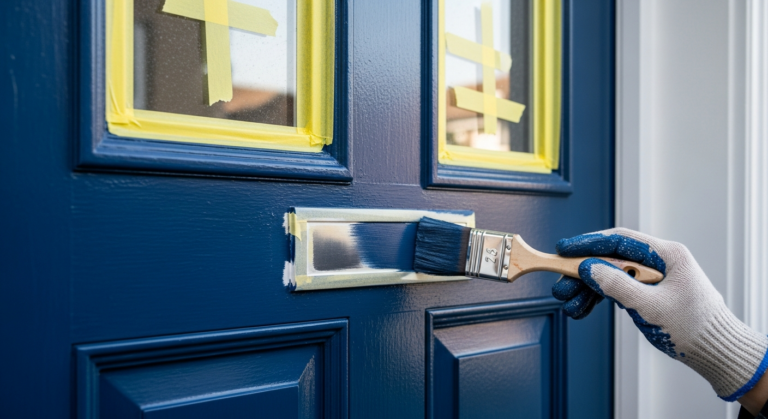
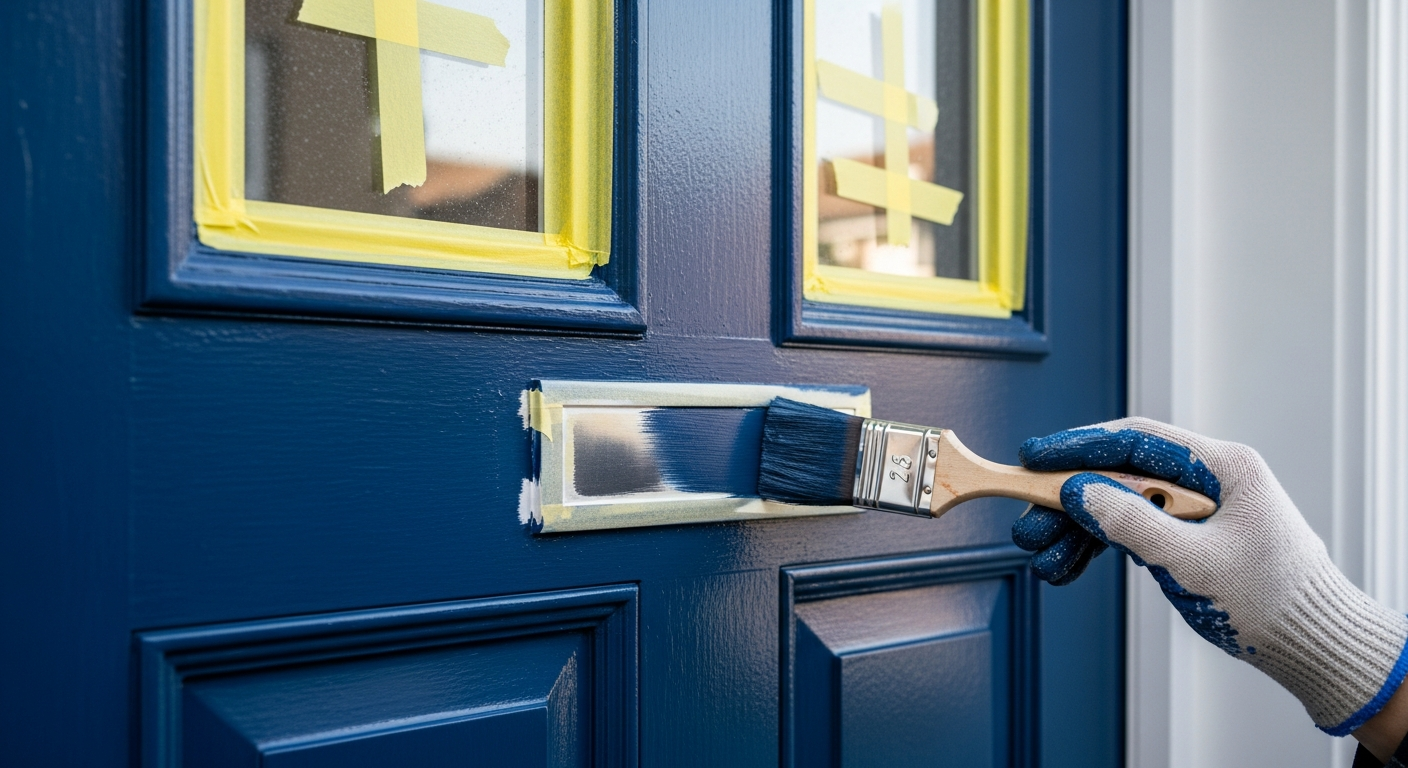
Both gloss and satinwood are available in water-based and oil-based formulations. Water-based versions dry faster (2–4 hours recoat), have lower VOC levels, clean up with water, and resist yellowing over time — making them the better choice in most domestic situations. Oil-based versions take longer to dry (16–24 hours between coats) but self-level more easily and produce a harder, more durable film. If you are painting a front door or a surface in a wet room, oil-based gloss remains the more resilient option; read our guide on how to paint a front door for surface-specific advice.
Prepare the surface properly
Both finishes punish poor preparation — every imperfection is amplified by sheen. Clean the surface with a sugar soap solution and allow it to dry fully. Fill any cracks or holes with fine surface filler, let it cure, then sand smooth with 240-grit abrasive paper. Wipe down with a tack cloth to remove all dust. Previously painted woodwork should be lightly abraded to give the new coat something to grip. If the wood is bare, apply a suitable primer or undercoat before your top coat — skipping this step is the most common cause of peeling.
Apply the paint correctly for each finish
Gloss requires a steady, methodical approach: work with a 25mm angled brush using long, even strokes in one direction, then lay off lightly without overworking the paint. Satinwood is more forgiving — its slightly longer open time means you can blend edges more easily. Apply in thin coats and allow each to dry fully before recoating. Two coats over undercoat is standard; three may be needed on bare or heavily stripped wood. If you want a clean edge at the wall, use painter’s tape. For a sharp line at the ceiling, read our guide on how to cut in paint neatly.
Check the result and plan maintenance
Once fully cured — typically 7 days for water-based, up to 14 days for oil-based — gloss can be wiped clean with a damp cloth and mild detergent without marking. Satinwood is also washable but slightly less resistant to sustained scrubbing. Both finishes will show scuffs and chips over time on high-impact surfaces; gloss chips more visibly but is easier to spot-repair. If runs appeared during application, leave the paint to cure fully before addressing them — see our guide on how to fix paint drips and runs.
Frequently Asked Questions
Is satinwood or gloss better for skirting boards?
Gloss is traditionally preferred for skirting boards because it is harder and more resistant to knocks and scuffing from feet and vacuums. Satinwood is a valid alternative for a more modern look, but expect to touch it up more frequently in busy rooms.
Can I paint satinwood over gloss without stripping it?
Yes, provided the existing gloss is sound and well-adhered. Degrease with sugar soap, sand lightly with 240-grit paper to break the sheen, wipe with a tack cloth, then apply your satinwood directly. Do not skip the sanding — satinwood will not bond properly to an unkeyed gloss surface.
Why is my gloss paint yellowing?
Yellowing is almost always caused by oil-based gloss in low-light conditions — the alkyd resin oxidises without UV exposure. Switching to a water-based gloss eliminates this problem almost entirely, as modern acrylic formulations are engineered to stay white.
How many coats of satinwood or gloss do I need?
Two top coats over a suitable undercoat is the standard for most situations. Bare, stripped, or heavily patched wood may need three coats to achieve a uniform, opaque finish. See our full guide on how many coats of paint you need for more detail.
Can I use satinwood paint in a bathroom?
Satinwood is suitable for bathroom woodwork — window frames, bath panels, and door architraves — provided the surface is primed and the room is adequately ventilated. For the ceiling itself, a dedicated moisture-resistant formulation is a better choice; our guide to the best paint for a bathroom ceiling covers the options.
When applying water-based gloss or satinwood, add a very small amount of water-based flow additive to the paint before decanting into your kettle — it extends the open time by several minutes and all but eliminates brush marks on large, flat surfaces like door panels. Don’t thin the paint directly in the tin; keep it controlled in the kettle.
Sources
- Which? — Types of paint explained — which.co.uk
- HSE — Volatile organic compounds (VOCs) in paints — hse.gov.uk
- GOV.UK — Regulations on VOC content in paints and varnishes — gov.uk
This guide is for general information only. Always work safely and follow manufacturer instructions. DIYnut accepts no liability for injury or damage arising from DIY work.