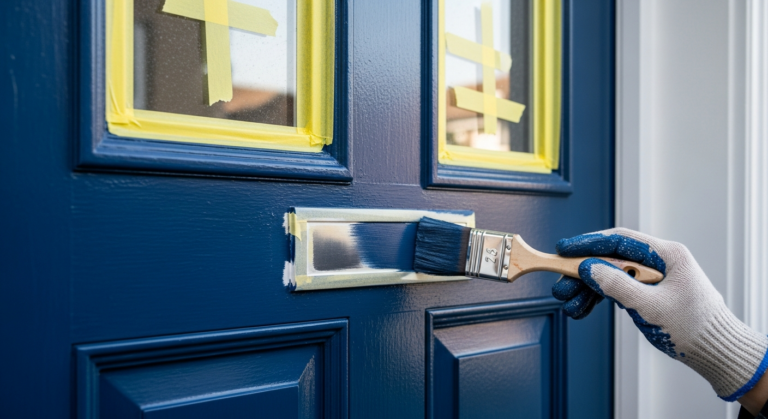
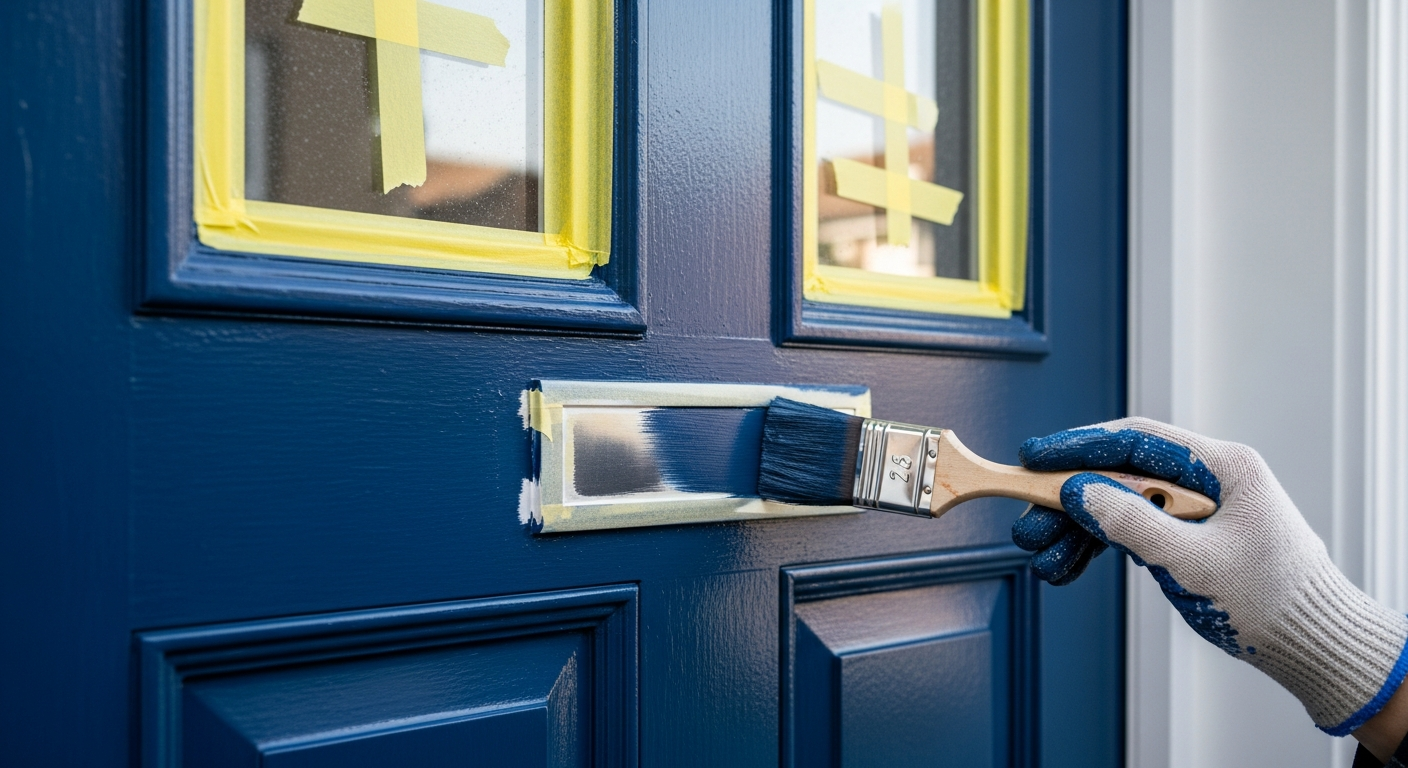
Matt vs Silk Paint Guide
Painting & Decorating › Guides
Matt vs Silk Paint Guide
Choose the right finish first time and avoid costly repaints later.
Matt vs silk paint: matt gives a flat, light-absorbing finish that hides imperfections, ideal for ceilings and low-traffic walls. Silk has a subtle sheen, is more washable, and suits hallways, kitchens, and rooms with moisture. Match the finish to the room’s use and wall condition.

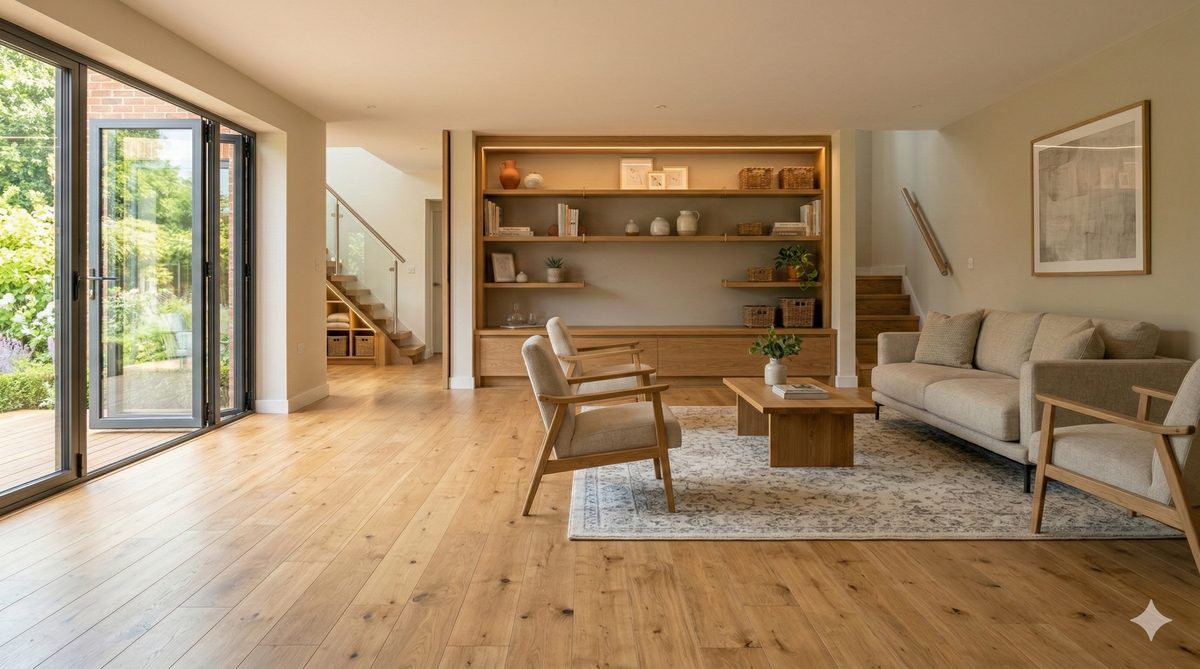
Understand the key differences between matt and silk
Matt emulsion contains a higher proportion of pigment and a flatter binder, producing zero sheen and excellent opacity — two coats often give full coverage. Silk emulsion contains a resin that creates a low-level reflective surface once dry. That sheen makes the paint film harder and more resistant to moisture and light scrubbing, which is why it is the standard choice for bathroom and kitchen ceilings as well as walls in damp-prone rooms. Matt is not washable in the same way — repeated scrubbing will burnish the surface and create shiny patches.
Prepare your walls to match the finish you have chosen
Preparation requirements differ depending on which finish you choose. For matt, fill any deep holes, sand flush, and lightly sand the entire wall with 120-grit sandpaper to key the surface — minor imperfections will largely disappear under the flat finish. For silk, preparation must be thorough: fix every hairline crack, sand smooth, and wipe down with sugar soap solution to remove grease and dust. Any surface irregularity left under silk will be visible once the paint dries and catches the light.
Apply the correct primer or first coat
New plaster must be sealed with a mist coat — one part emulsion diluted with four to five parts water — regardless of whether your topcoat is matt or silk. This prevents the dry plaster from sucking moisture out of the paint too quickly, which causes poor adhesion and an uneven finish. For previously painted walls in sound condition, a light sand and clean surface is sufficient. If switching from a silk finish to matt, apply a dedicated primer first; the existing silk surface is too smooth for the matt emulsion to grip properly without it. Check our guide on how many coats of paint you need to plan your job correctly.
Apply paint in the right order and with the right tools
Work ceiling first, then walls, then woodwork to avoid splashing freshly painted surfaces. Use a brush to cut in around edges and corners, then fill in the main wall area with a roller for an even finish. For matt emulsion, a medium-pile roller (10–12 mm) works well and gives a slight texture that suits the flat finish. For silk, use a short-pile roller (6–8 mm) to keep the surface smooth — a heavy pile will leave stipple marks that catch the light unfavourably. Apply two coats, allowing full drying time between each — typically two to four hours depending on temperature and ventilation. For cleaner edges, read our guide on how to cut in paint neatly.
Match the finish to specific rooms as a quick reference
Use this as your room-by-room rule: ceilings — always matt (less glare, easier to apply, hides roller lines); bedrooms — matt for a calm, restful feel; living rooms — matt or soft-sheen depending on how often walls are touched; hallways and landings — silk or soft-sheen for durability; kitchens and bathrooms — silk or a dedicated moisture-resistant emulsion. If you are decorating a smaller space and want to make it feel larger, the finish matters as much as the colour — see our guide on how to paint a small room to look bigger for finish and colour advice combined.
Frequently Asked Questions
Can I use matt paint in a bathroom?
Standard matt emulsion is not recommended for bathrooms — the flat film absorbs moisture rather than repelling it, which leads to mould growth and paint failure. Use a silk emulsion or a dedicated moisture-resistant bathroom paint instead.
Is silk paint more expensive than matt?
Silk emulsion typically costs a few pounds more per litre than a comparable matt emulsion, but the price gap has narrowed considerably. The bigger cost difference comes from preparation — silk requires more prep time and materials to achieve a good result.
Can I paint over silk with matt?
Yes, but you must apply a primer first. The smooth, low-porosity surface of dried silk emulsion will not grip matt paint reliably without a bonding primer in between. Skip this step and the matt coat may peel or dry unevenly.
Which finish is better for a hallway?
Silk or soft-sheen is the right choice for hallways. Hallways take constant knocks, scuffs, and dirty handprints — a washable finish that can be wiped clean without marking is far more practical than matt in this location.
What is the difference between soft-sheen and silk?
Soft-sheen sits between matt and silk on the sheen scale — it has a subtle, low-level lustre rather than the more noticeable reflectivity of silk. It is a good compromise for living rooms and bedrooms where some washability is useful but a full silk sheen feels too prominent.
When cutting in with silk emulsion, keep a wet edge at all times and never go back over paint that has started to dry — silk sets quickly and reworking it leaves drag marks that are highly visible on the finished surface. Cut in one wall completely before rolling it, rather than cutting in the entire room first.
Sources
- Which? — Types of paint explained — which.co.uk
- Painting and Decorating Association — Choosing the right paint finish — paintingdecoratingassociation.co.uk
- HSE — Health and safety in painting and decorating — hse.gov.uk
This guide is for general information only. Always work safely and follow manufacturer instructions. DIYnut accepts no liability for injury or damage arising from DIY work.