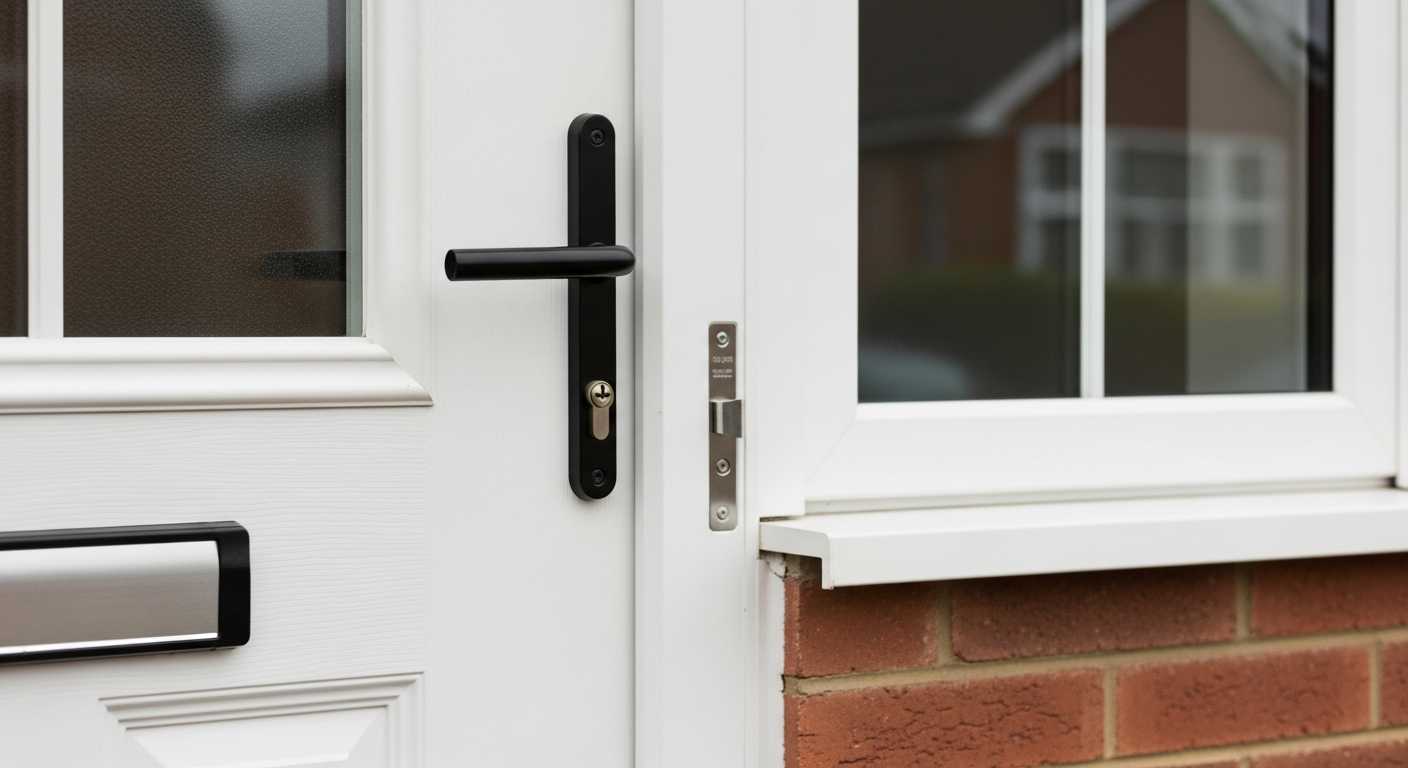
How to Draught Proof a Letterbox – DIY Guide
Doors & Windows › Draught Proofing
How to Draught Proof a Letterbox
Stop cold air and heat loss through your letterbox in under an hour.
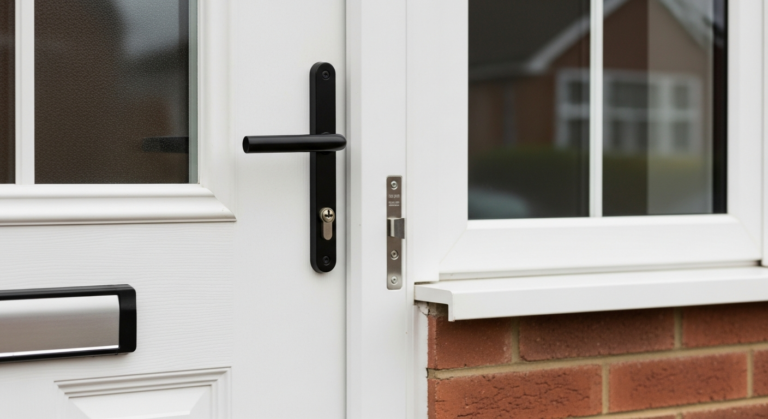
To draught proof a letterbox, fit a brush seal or hinged flap cover to the inside of the letterbox plate. Clean the area, measure the opening, cut the seal to size, and fix it in place with the screws provided. The job takes under an hour and requires no specialist tools.

Remove the Old Excluder or Prepare the Surface
If an existing draught excluder is fitted, unscrew and remove it. On older timber doors the screw holes may be stripped — fill them with all-purpose filler, allow to dry fully, and sand flush before continuing. Wipe down the inner face of the letterbox plate and the surrounding door surface with a dry cloth to remove dust, debris, and any old adhesive residue. A clean, flat surface ensures the new seal sits flush and grips properly. If bare timber is exposed, apply a coat of wood primer and allow it to dry before fitting — this prevents the timber from absorbing moisture and swelling around the fixings over time.
Cut the Brush Seal to Length
Hold the brush seal or hinged flap cover against the letterbox opening and mark the required length with a pencil. Cut to size using a hacksaw or junior saw, keeping the cut square. Most brush seals have a metal or rigid plastic carrier — a hacksaw cuts through both cleanly. Deburr any sharp edges with a few strokes of sandpaper so the seal sits flat and does not snag the door lining. If you are fitting a full replacement letterbox plate with an integrated brush seal, follow the manufacturer’s sizing guide for your door thickness.
Mark and Drill the Fixing Holes
Hold the excluder in position on the inner face of the door, centred over the letterbox opening. Use a bradawl to mark the screw hole positions through the fixing lugs or mounting plate. On a timber door, pre-drill pilot holes with a wood bit slightly narrower than your screw diameter — this prevents the timber splitting and makes driving the screws straight much easier. On a composite or uPVC door, check whether the manufacturer recommends self-tapping screws or specific fixings; using the wrong type can crack the inner skin. Adjusting a uPVC door requires similar care around fixings into the door skin.
Fit and Secure the Excluder
Align the excluder over the pre-drilled holes and drive the screws in by hand until finger-tight, then tighten fully with a screwdriver. Do not overtighten — on a composite door you risk cracking the inner panel, and on timber you risk pulling the fixing through. Check that the brush bristles or hinged flap sit flush against the letterbox opening on all sides with no visible gaps at the edges. If small gaps remain at either end, apply a short strip of self-adhesive foam draught-excluder tape to fill them. Test the action: the postman should be able to push post through without excessive resistance, and the seal should return to the closed position cleanly. If you have recently replaced a door hinge or carried out other door repairs, do this step last so the door hangs correctly before you finalise the seal position.
Test and Check the Finished Seal
Close the front door and hold your hand near the letterbox on a cold or windy day — you should feel no air movement. Alternatively, hold a thin strip of tissue paper near the inside edge of the letterbox; if it stays still, the seal is working. Check that post can still be delivered without the brush or flap catching and tearing envelopes. If the seal resists post too strongly, some brush-type excluders allow you to adjust the bristle tension slightly by repositioning the carrier. For a fully draught-proofed door, pair this fix with a door bottom seal and check the frame’s perimeter weatherstripping is intact — a letterbox seal alone will not compensate for gaps around the entire door frame.
Frequently Asked Questions
What is the best type of letterbox draught excluder — brush seal or hinged flap?
Brush seals are generally the better choice for most timber and composite front doors: they compress around post of any thickness and return to position reliably. Hinged flap covers work well as a secondary seal behind the letterbox plate but can resist thick parcels. For maximum performance, fit a brush seal and a hinged flap together — this is a common approach recommended by the Energy Saving Trust.
Will draught proofing my letterbox actually make a measurable difference to my heating bills?
Letterboxes are one of the most significant sources of draughts in a front door, alongside the door bottom and frame perimeter. The Energy Saving Trust notes that draught-proofing your whole home — doors, windows, and letterboxes combined — can save a meaningful amount on annual energy bills, though the letterbox alone is a small proportion of that total saving.
Can I draught proof a letterbox on a uPVC door without drilling into the door skin?
Some brush-seal excluders are designed to clip or press-fit inside the letterbox housing without requiring new holes, which is useful for uPVC doors where drilling into the inner panel risks cracking. Check the product specification before buying — look for ‘no-drill’ or ‘push-fit’ letterbox draught excluders. Fixing a uPVC window handle similarly benefits from no-drill fixings where the door profile is thin.
My letterbox rattles in the wind even with a seal fitted — what should I do?
Rattling after fitting usually means the hinged flap or brush carrier is not held firmly in the closed position. First, check all screws are tight and the excluder is sitting flush. If the flap itself is the source of the noise, a small self-adhesive foam pad placed on the inner lip of the letterbox plate acts as a buffer stop and eliminates the rattle without affecting post delivery.
Should I draught proof the outside letterbox flap as well as the inside?
The outer flap on most letterboxes is a cosmetic cover rather than a seal — it rarely creates an airtight closure on its own. Draught proofing from the inside is far more effective because the seal acts across the full opening rather than just the outer plate. If the outer flap is bent, corroded, or missing its spring, replacing the entire letterbox plate with a sprung version is worthwhile and costs under £15 for a standard size. For doors that slam in the wind, also check the door closer mechanism — a slamming door can unseat even a well-fitted letterbox seal over time.
When fitting a brush-type seal, run a thin bead of clear silicone sealant along the top and bottom edges of the mounting plate before screwing it home — this beds the plate flat against uneven paint or timber and eliminates any residual air path that screws alone cannot close. Wipe off the squeeze-out immediately with a damp cloth before it skins.
Sources
- Energy Saving Trust — Draught-proofing your home — energysavingtrust.org.uk
- Which? — How to draught-proof your home — which.co.uk
- GOV.UK — Great British Insulation Scheme: draught-proofing guidance — gov.uk
This guide is for general information only. Always work safely and follow manufacturer instructions. DIYnut accepts no liability for injury or damage arising from DIY work.