Cost to Replaster a Room
Walls & Plastering › Walls & Plastering
Cost to Replaster a Room
Know what to budget before you hire a plasterer or tackle it yourself.
Replastering a room typically costs £800–£2,500 when hiring a tradesman, depending on room size, condition of existing plaster, and whether ceilings are included. Materials alone for a DIY skim cost £50–£150, but achieving a smooth finish takes real skill.

What Affects the Cost
Room size: The single biggest cost driver is floor area. A small bedroom (under 10 m²) costs considerably less to replaster than a large open-plan living room. Plasterers typically price by the square metre for wall area, so larger rooms with high ceilings push the total up quickly.
Condition of existing plaster: If the old plaster is blown or badly damaged, it must be hacked off entirely before new plaster is applied — a process that adds labour time and disposal costs. A simple skim coat over sound plaster is far cheaper than a full re-plaster on bare masonry.
Walls only vs walls and ceiling: Including the ceiling adds meaningful cost. Ceiling work is slower, more physically demanding, and requires additional preparation such as PVA bonding — especially on older lath-and-plaster ceilings that may need complete removal.
Damp or mould issues: If there is underlying damp, this must be treated before any plastering work begins. Ignoring it will cause the new plaster to fail. See the guide to fixing damp on interior walls for treatment options that affect your overall project cost.
Access and prep work: Moving furniture, protecting floors, and stripping wallpaper all take time. If your plasterer is doing this rather than you, expect it to add to the bill. Removing old wallpaper yourself before the job starts is one of the easiest ways to keep costs down.
Location: Labour rates vary significantly across the UK. London and the South East attract the highest day rates for skilled plasterers, while rates in the Midlands, North of England, and Wales tend to be lower. Materials costs are broadly similar nationwide.
UK Average Cost Breakdown
| Task | DIY Cost | Trade Cost | Notes |
|---|---|---|---|
| Skim coat — small room (walls only) | £50–£90 | £350–£600 | Approx. 10–12 m² wall area; existing plaster sound |
| Skim coat — medium room (walls only) | £80–£130 | £500–£900 | Approx. 20–25 m² wall area; typical living room or bedroom |
| Full replaster — medium room (walls + ceiling) | £120–£200 | £800–£1,400 | Includes hack-off of old plaster; two-coat work on masonry |
| Full replaster — large room (walls + ceiling) | £180–£300 | £1,400–£2,500 | 35 m²+ wall area; older properties with lath and plaster |
| Ceiling skim only — medium room | £30–£60 | £200–£450 | Flat plasterboard ceiling; PVA seal required |
| Plasterboard dot-and-dab then skim — medium room | £200–£400 | £900–£1,600 | Alternative to wet plaster on masonry; includes board and adhesive |
| Disposal of old plaster (skip hire or bags) | £80–£200 | Often included in quote | Always confirm disposal is included before work starts |
DIY vs Tradesman — Is It Worth It?
Plastering is one of the most skill-intensive trades in home improvement. Achieving a flat, blemish-free skim coat requires years of practice — the material sets quickly, technique matters enormously, and mistakes are visible once painted. Most experienced DIYers can patch small areas or skim coat a wall to a passable standard with preparation and practice, but a full room replaster on bare masonry is a significant undertaking.
The labour component of a typical replaster job represents 60–70% of the total cost, so the potential saving from doing it yourself is real — typically £300–£900 for a medium room. However, factor in the cost of tools (hawk, floats, mixer paddle, spot board), the learning curve, and the very real possibility of having to pay a plasterer to correct a failed DIY attempt. For a room you care about, hiring a skilled tradesman almost always delivers better value.
Where DIY genuinely makes sense is on less visible areas — a utility room, garage, or loft — where you can practise without the pressure of a perfect finish. If you do decide to attempt it yourself, read our guide on how to plaster a wall as a beginner before you start, and budget enough time — rushing plaster work is the most common cause of a poor result.
Regional Price Variations
Plasterer day rates in London and the South East are typically 20–35% higher than the national average, reflecting higher living costs and greater demand. A medium-room replaster priced at £900 in the North of England or Wales might cost £1,200–£1,400 for equivalent work in London. The South West and East Anglia tend to sit in the mid-range. Materials (plaster, PVA, beads) are priced similarly across the country, so the gap is almost entirely down to labour. If you are in a high-cost area, getting three quotes is especially important — rates between local plasterers can vary by several hundred pounds for the same job.
How to Get the Best Price
- Get at least three written quotes from local plasterers and compare them like for like — the same scope, same finish standard, and disposal included or excluded consistently.
- Do your own prep work. Strip wallpaper, remove fittings such as socket covers and curtain rails, and clear the room yourself before the plasterer arrives. This saves billable time and can reduce the final cost.
- Avoid peak periods. Spring and early summer tend to be busy for plasterers following the decorating season. Booking for autumn or winter may give you more negotiating room on price.
- Combine rooms or jobs. If you need more than one room replastered, or have other plasterwork such as cracks or patching, grouping it into one visit is usually cheaper per square metre than separate call-outs.
- Check trade association membership. Plasterers registered with bodies such as the Plastering Industry Excellence group or similar trade associations have committed to standards — which can help avoid expensive remedial work later.
What a Good Quote Should Include
- A clear breakdown of the area to be plastered (in m²), specifying walls only, ceiling only, or both — and the type of work (skim, full two-coat, or plasterboard).
- Whether hack-off of existing plaster is included, or whether the quote assumes existing surfaces are sound and just need skimming.
- Confirmation of who supplies materials (plaster, PVA, angle beads) and whether material costs are included in the quoted price or charged separately.
- Waste disposal — whether rubble bags, skip hire, or removal of old plaster is covered by the quote or is an extra.
- A written start date, expected duration, and payment terms — avoid any tradesman asking for more than a modest deposit before work begins.
Hidden Costs to Watch For
- Damp treatment before plastering. If damp is discovered once old plaster is removed, work must stop until the cause is fixed. This can add several hundred pounds to the project — see the guide to fixing rising damp for treatment costs. Never plaster over active damp.
- Redecoration costs. Fresh plaster must dry fully — typically 4–6 weeks — before it can be painted. Budget for mist coats and at least two full coats of emulsion on top of new plaster, which adds to your overall spend. Read the Painting & Decorating Guide to plan this stage properly.
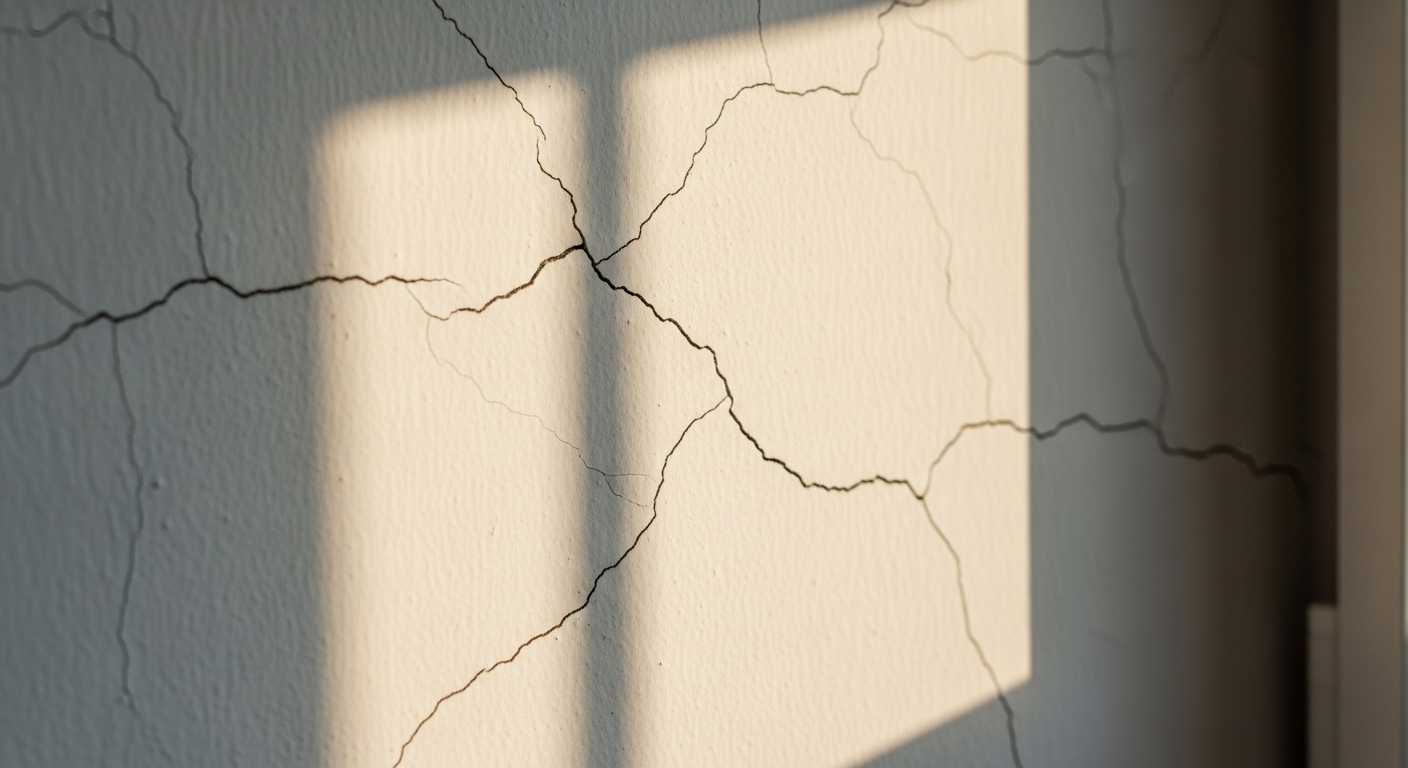
- Structural cracks or movement. If walls show significant cracking — not just surface hairlines — the underlying cause (movement, subsidence, failed lintels) must be investigated before replastering. Plastering over structural issues without repair means the new plaster will crack again. See the guide on filling large cracks in plaster to understand when a crack is cosmetic versus serious.
- Electrical and plumbing adjustments. Hacking off old plaster may require sockets, switches, or pipe boxing to be temporarily removed and refitted by a qualified electrician or plumber — a cost that sits outside the plasterer’s quote.
Frequently Asked Questions
How much does it cost to replaster a room in the UK?
For a typical medium-sized room, trade costs range from £800–£2,500 depending on whether it’s a skim coat or full replaster, and whether the ceiling is included. Smaller rooms or skim-only jobs can come in below £600.
How long does it take to replaster a room?
A skilled plasterer can skim a medium room in one day. A full replaster involving hack-off and two-coat work typically takes two to three days. The plaster then needs four to six weeks to dry fully before painting.
Can I plaster a room myself to save money?
It’s possible on smaller or less visible areas, but plastering to a smooth, paint-ready finish is a high-skill trade. For a main living area or bedroom, most homeowners find it more cost-effective to hire a professional than to risk a poor finish or failed attempt.
Do I need to seal the walls before plastering?
Yes — bare plaster, plasterboard, and porous masonry should be sealed with a diluted PVA solution before plaster is applied. This controls suction and prevents the plaster from drying too quickly, which causes cracking and poor adhesion.
How soon can I paint after replastering?
New plaster should be left to dry for a minimum of four weeks, ideally six, before applying emulsion. The first coat should always be a mist coat — heavily diluted emulsion — to allow moisture to continue escaping without trapping it beneath an impermeable paint film.
Ask your plasterer to use angle beads on all external corners rather than just feathering the plaster freehand — it takes slightly longer but produces sharper, more durable edges that won’t chip or round off over time. It also makes painting corners significantly easier.
Sources
- Which? — Cost of plastering — which.co.uk
- Checkatrade — Plastering costs guide — checkatrade.com
- HSE — Construction dust: plaster and drywall — hse.gov.uk
This guide is for general information only. Always work safely and follow manufacturer instructions. DIYnut accepts no liability for injury or damage arising from DIY work.