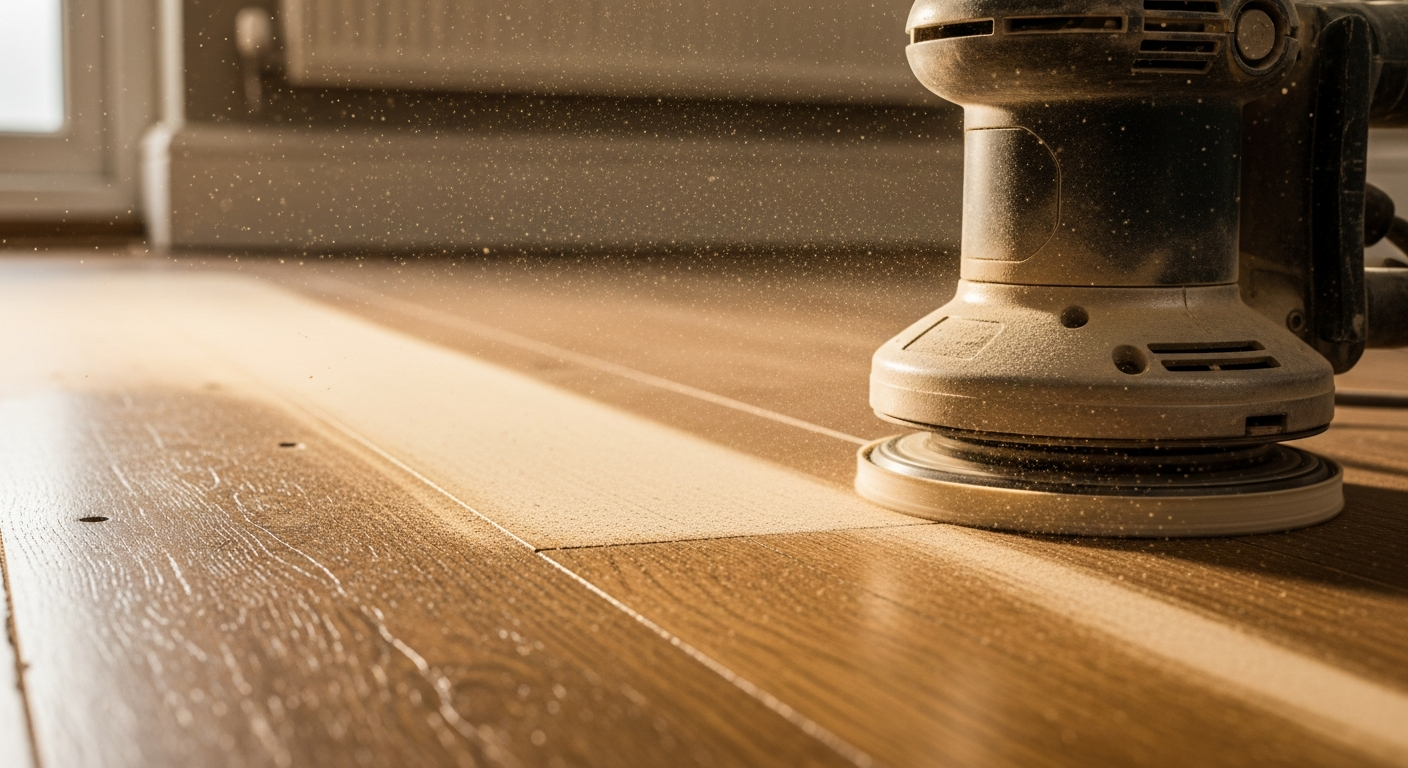
Cost of Hardwood Flooring
Hardwood flooring in the UK typically costs £800–£2,500 for a medium room, including materials and fitting. Solid hardwood costs more than engineered boards. Species, room size, subfloor condition, and whether you hire a tradesman all significantly affect the final price.

What Affects the Cost
Type of hardwood: Solid hardwood boards are cut from a single piece of timber and cost more than engineered hardwood, which uses a real wood veneer over a plywood core. Engineered boards are often better suited to underfloor heating and ground-floor installation. See our Flooring Guide for a full comparison of wood floor types.
Species of wood: Common species like oak and ash sit at the lower end of the price scale. More exotic timbers — walnut, maple, or iroko — command a significant premium. Board width and thickness also push costs up; wider planks and thicker boards cost more per square metre.
Room size and layout: Larger rooms require more material and more labour time. Irregular shapes, alcoves, bay windows, and obstacles like radiator pipes add complexity and waste, increasing both time and cost.
Subfloor condition: A concrete subfloor may need a damp-proof membrane or self-levelling compound before boards can be laid. Timber subfloors with squeaky joists or significant movement need attention first. Ignoring subfloor problems leads to dips and uneven areas that are expensive to correct later.
Finish type: Boards supplied pre-finished in the factory cost more upfront but save on site finishing time. Site-finished floors give a seamless result but require sanding, then a choice of oil or lacquer — each with different labour and material costs. Read our guide on oil vs lacquer wood floor finishes before deciding.
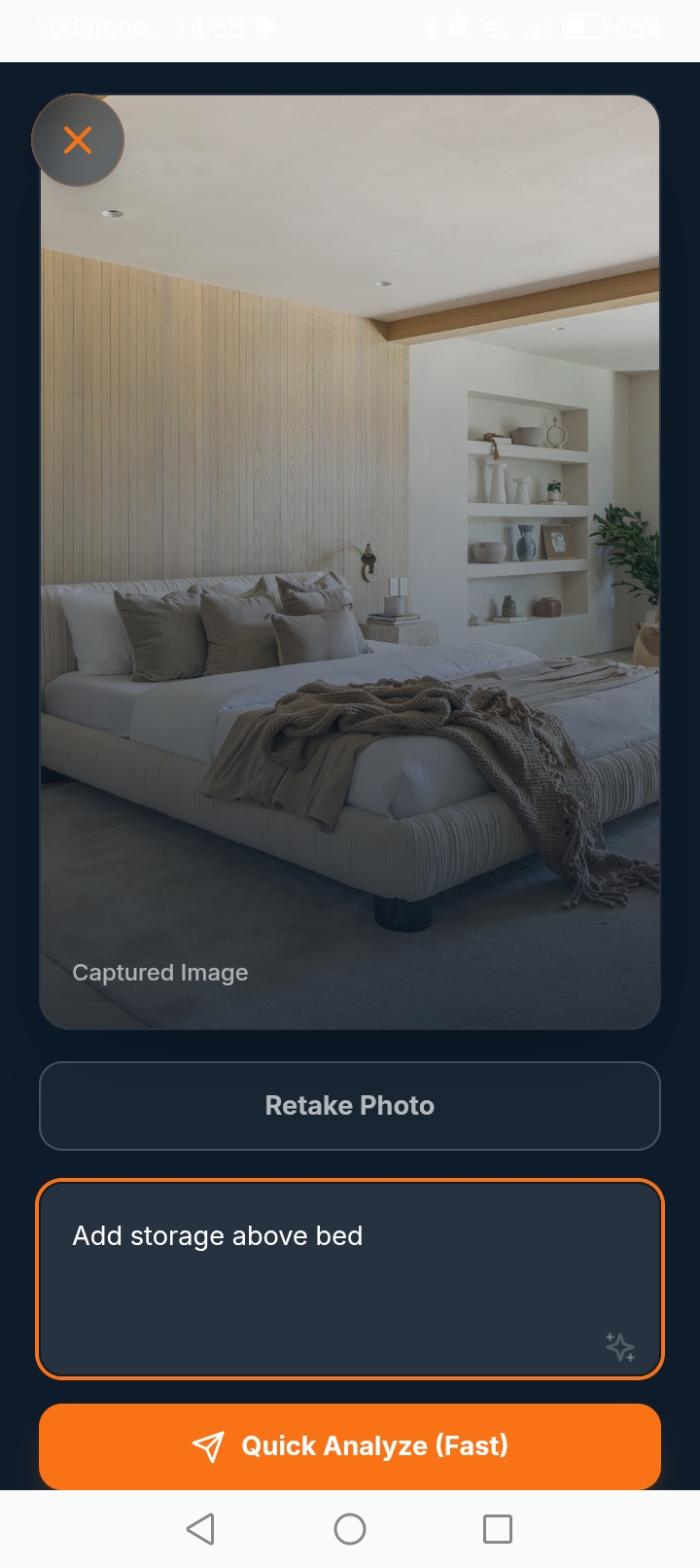
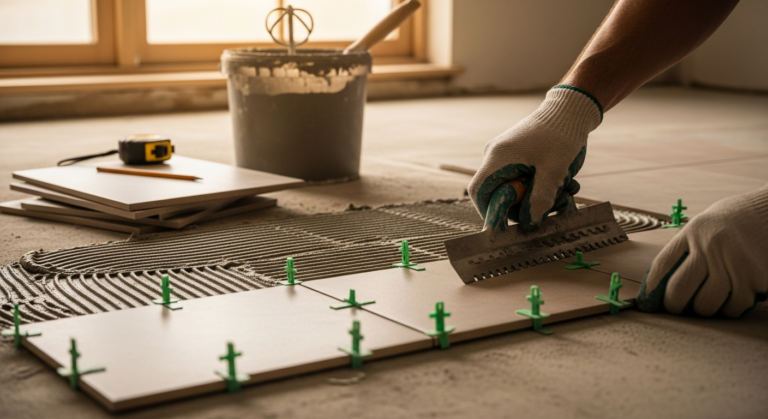
Fitting method: Glue-down, nail-down, and floating installations each have different labour requirements and suit different subfloor types. Glue-down is most labour-intensive and typically costs more to fit.
UK Average Cost Breakdown
| Task | DIY Cost | Trade Cost | Notes |
|---|---|---|---|
| Engineered hardwood boards (per m²) | £20–£60 | £20–£60 | Material cost is the same; trade may get contractor pricing |
| Solid hardwood boards (per m²) | £40–£120 | £40–£120 | Species and board width drive price variation |
| Underlay (per m²) | £2–£6 | £2–£6 | Required for floating installations; not always needed for glue-down |
| Subfloor preparation (per m²) | £1–£5 | £5–£15 | Levelling compound, membrane, or joist repairs |
| Labour — fitting (per m²) | N/A | £15–£35 | Higher for glue-down or complex layouts; day rates vary by region |
| Sanding and finishing (per m²) | £3–£8 (tool hire + materials) | £10–£25 | Site-finished floors only; pre-finished boards skip this step |
| Old floor removal and disposal | £0–£50 (skip hire) | £80–£250 | Often charged as a day rate or flat fee |
| Threshold bars and trims | £5–£20 each | £5–£20 + fitting time | Needed at doorways and room transitions |
| Full room — engineered (20 m², trade-fitted) | £500–£1,400 | £900–£2,000 | DIY saving depends on board grade and finish chosen |
| Full room — solid hardwood (20 m², trade-fitted) | £900–£2,600 | £1,400–£3,500 | Premium species or wide planks push costs toward the upper end |
DIY vs Tradesman — Is It Worth It?
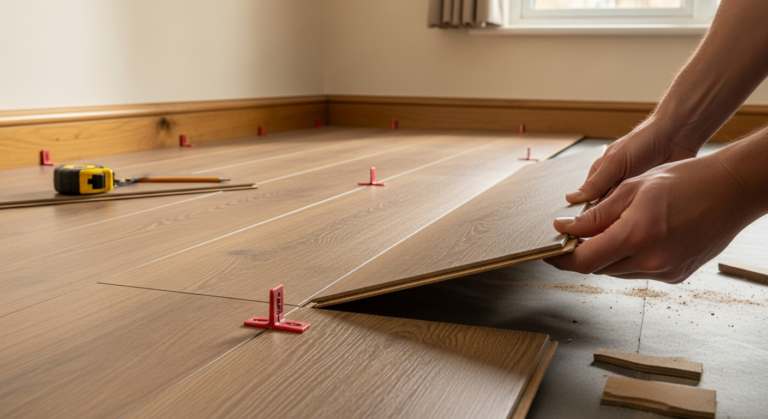
Fitting hardwood flooring yourself is achievable, but it sits firmly in the high-complexity bracket. A floating engineered floor is the most DIY-friendly option — boards click or glue together without fixings into the subfloor, and mistakes are easier to correct. Solid hardwood nailed or glued to a subfloor is considerably less forgiving; poor acclimatisation, incorrect spacing, or an uneven base can cause boards to cup, gap, or creak within months.
The labour saving for a 20 m² room typically falls between £300 and £900, depending on fitting method and region. That saving needs to be weighed against the cost of tool hire (drum sander, nail gun, or adhesive spreader), waste material from cutting errors, and the time investment — a confident DIYer should budget a full weekend for a straightforward room. If the subfloor needs significant prep work or you are working around underfloor heating pipes, professional fitting is strongly advisable. Our step-by-step guide on how to lay hardwood flooring covers the full process from acclimatisation to finishing.
For repairs to an existing floor rather than a full replacement, many tasks — including repairing damaged hardwood boards — are well within DIY reach and save a worthwhile call-out fee.
Regional Price Variations
Labour rates for hardwood floor fitting in London and the South East are typically 20–40% higher than the national average, reflecting higher trade day rates across all skilled trades in the capital. A job quoted at £1,500 in the Midlands or North of England may cost £1,800–£2,100 for equivalent work in London. Material costs are broadly consistent across the UK, though delivery charges for heavy board packs can add £30–£80 for rural or remote locations. In Scotland, Wales, and Northern Ireland, rates are generally comparable to the North of England. Always get at least three quotes from local tradespeople — platforms such as Checkatrade provide verified installer reviews and help benchmark local pricing.
How to Get the Best Price
- Get three quotes minimum: Prices for the same job can vary by 30% or more between installers. Use Checkatrade or equivalent platforms to find rated local floor fitters, and ask each to quote on the same specification.
- Buy materials separately: Some fitters charge a margin on materials. Purchasing boards, underlay, and adhesive yourself — then agreeing a labour-only rate — often reduces the total cost.
- Time the job for quieter periods: Floor fitters are typically busiest in spring and autumn. Booking work in January or July can secure better rates or availability.
- Acclimatise boards yourself: Most fitters charge for the acclimatisation period (boards need 48–72 hours in the room before fitting). Storing boards correctly beforehand removes this from the quote.
- Combine jobs: If you also need skirting boards refitted or architrave adjusted around new floor height, a single tradesperson quoting the whole job is usually cheaper than separate specialists. See our guide on removing skirting boards without damage if you plan to tackle that part yourself.
What a Good Quote Should Include
- The total area to be fitted in square metres, with the species, grade, board dimensions, and finish specified in writing
- Subfloor preparation scope — what will be done, and what additional costs apply if issues are found once the existing floor is lifted
- Fitting method (floating, glue-down, or nail-down) and any relevant adhesive or fixings included in the price
- Old floor removal and waste disposal, or a clear statement that this is excluded and priced separately
- A timeline, including acclimatisation period, and details of any manufacturer or installer guarantee on the finished floor
Hidden Costs to Watch For
- Subfloor remediation: Lifting an old floor frequently reveals damp, rot, or uneven joists that need fixing before new boards can go down. This can add £200–£600 or more to the total, and is rarely included in a standard quote.
- Acclimatisation failures: If solid hardwood is not left to acclimatise in the room for the manufacturer’s recommended period (typically 48–96 hours), boards can expand or contract after fitting. Rectification — re-sanding, re-fitting, or gap-filling — costs significantly more than getting it right first time. Our guide on filling gaps in floorboards covers what to do if gaps appear.
- Skirting board adjustment: New hardwood floors raise the finished floor height, which often means skirting boards need lifting, re-fitting, and redecorating. This is easy to overlook at quote stage but can add a day’s labour and materials.
- Threshold bars at every doorway: Every door opening between rooms needs a transition strip. In a house with multiple rooms being refloored, this can add £80–£200 in materials alone, plus fitting time if the tradesperson charges per strip.
Frequently Asked Questions
How much does hardwood flooring cost per square metre in the UK?
Engineered hardwood boards cost £20–£60 per m² for materials, while solid hardwood runs £40–£120 per m². Add labour of £15–£35 per m² for professional fitting, plus subfloor preparation and finishing costs.
Is engineered hardwood cheaper than solid hardwood?
Yes, engineered hardwood is generally cheaper to buy and easier to fit, which also reduces labour costs. It is also more dimensionally stable than solid hardwood, making it a better choice for rooms with underfloor heating or variable humidity.
How long does it take to fit hardwood flooring in a typical room?
A professional floor fitter can typically lay a straightforward 20 m² room in one to two days, not including acclimatisation time. DIY installation in the same room is likely to take a full weekend for an experienced home improver.
Do I need underlay for hardwood flooring?
Underlay is required for floating engineered installations and helps with sound insulation and minor subfloor imperfections. Glue-down or nail-down methods do not use traditional underlay — a damp-proof membrane may be needed instead, particularly on concrete subfloors.
Can hardwood flooring be fitted over underfloor heating?
Engineered hardwood is compatible with most underfloor heating systems, provided the board thickness and species are approved by the manufacturer. Solid hardwood is less suitable due to its greater movement in response to heat and humidity changes — always check manufacturer specifications before fitting.
Always order 10–15% extra boards to account for cutting waste and pattern matching — but keep any leftover boards from the same batch stored flat in case you need to replace a damaged board years later, as matching a discontinued batch precisely is very difficult. Colour and grain variation between production batches can make a patch repair obvious even on the same product line.
Sources
- Which? — Wood flooring buying guide — which.co.uk
- Checkatrade — Cost of hardwood flooring — checkatrade.com
- HSE — Wood dust: controlling the risks — hse.gov.uk
This guide is for general information only. Always work safely and follow manufacturer instructions. DIYnut accepts no liability for injury or damage arising from DIY work.