Fit a New Bathroom: Trade vs DIY
Fitting a new bathroom involves plumbing, tiling, electrical work, and waste connections. Confident DIYers can handle much of it, but electrical work in bathrooms and any gas connections must be done by a qualified tradesperson under UK building regulations.

The DIY Option
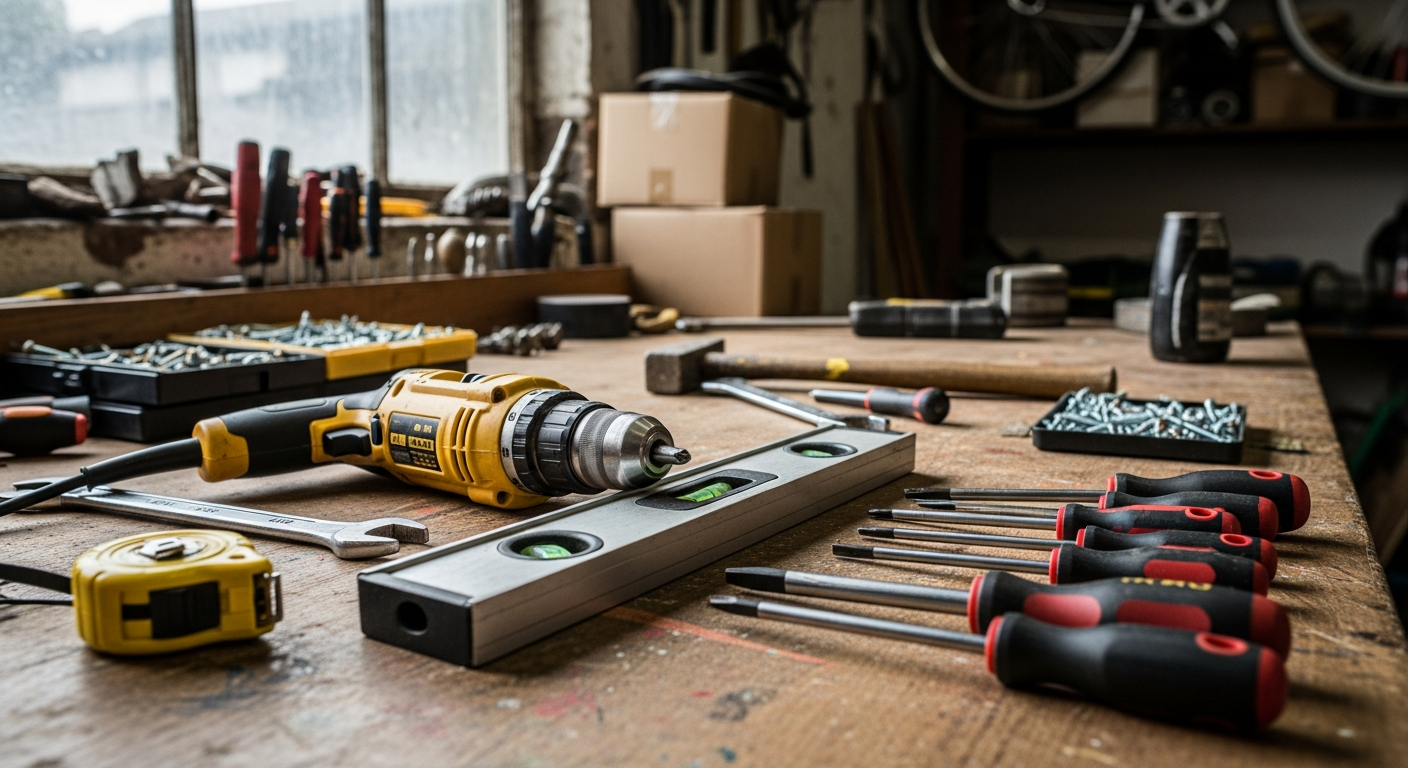
Fitting a new bathroom yourself is achievable if you have intermediate-to-advanced DIY skills, but it is not a beginner project. You will need to be comfortable with basic plumbing (connecting supply pipes, waste traps, and isolation valves), tiling, siliconing, and installing sanitaryware. Electrical work — such as wiring an extractor fan or adding a shaver socket — falls under Part P of the Building Regulations and must either be carried out by a registered electrician or notified to your local building control authority. Expect the project to take a competent DIYer two to three weekends, or longer if wall preparation or replastering is needed. Essential tools include a pipe cutter, adjustable spanners, spirit level, tile cutter, silicone gun, and a cordless drill. Material costs for a mid-range bathroom suite, tiles, adhesive, grout, and fixings typically run from £1,500 to £3,500 depending on your choices. The main risks are water leaks from poorly made joints, incorrectly sloped waste pipes causing blockages, and non-compliant electrical installations. Poor waterproofing around the shower or bath is a common cause of costly structural damage — read our guide to bathroom ventilation to avoid damp and mould problems after the fit. A full how-to guide is linked at the bottom of this page.
The Trade Option
A qualified bathroom fitter — often a plumber with tiling and general construction skills, or a specialist bathroom installer — will strip out the old suite, make good the walls, run new pipework, fit all sanitaryware, tile, seal, and commission the installation. Any notifiable electrical work will be subcontracted to or carried out by a Part P registered electrician. For a standard family bathroom, labour alone typically costs £1,500 to £3,500; combined with a mid-range suite and materials, total trade costs generally run from £3,000 to £7,000 or more for a full refurbishment. Costs vary significantly by region, with London and the South East at the higher end. To find a vetted installer, use a trader review platform such as Checkatrade or the Chartered Institute of Plumbing and Heating Engineering (CIPHE) find-a-member directory. Always obtain at least three written quotes and ask to see examples of previous work. Check that any electrician used is registered with a Part P competent persons scheme such as NICEIC or NAPIT. Our Plumbing Guide explains the different trades involved in bathroom work.
Side-by-Side Comparison
| Factor | DIY | Trade |
|---|---|---|
| Cost | £1,500–£3,500 (materials) | £3,000–£7,000+ (labour + materials) |
| Time | 2–4 weekends typically | 3–7 working days |
| Skill Required | Intermediate to advanced | Qualified tradesperson |
| Risk Level | Medium–High (leaks, damp, electrical) | Low (covered by warranties) |
| End Quality | Variable — depends on skill | Consistent professional finish |
| Legal Requirements | Part P electrical notification required; building regs apply | Tradesperson self-certifies under Part P and relevant regs |
When DIY Makes Sense
- You are confident with basic plumbing — connecting compression or push-fit fittings, fitting basin traps, and connecting WC cisterns — and have tackled similar work before.
- The bathroom layout is not changing significantly, so you are re-fitting on existing waste and supply pipe positions without major structural alterations.
- You plan to subcontract the notifiable electrical work (extractor fan wiring, shaver socket) to a registered electrician, keeping the rest DIY.
- You have the time and patience to do the job properly — rushing tiling, siliconing, or waste pipe falls leads to expensive remedial work later. Take time to do tasks like sealing around the basin correctly.
When You Must Use a Tradesman
- Electrical work in bathrooms (Part P): Any new circuit or addition to an existing circuit within a bathroom zone must be carried out or certified by a Part P registered electrician under the Building Regulations (England and Wales). This includes new extractor fans wired to a fused spur, shaver sockets, and heated towel rail connections. See gov.uk Approved Document P for the full requirements.
- Gas connections: If your bathroom includes a gas-fired boiler or any gas appliance, all gas work must be carried out by a Gas Safe registered engineer. It is illegal to work on gas installations without registration.
- Structural alterations: Moving or removing walls, altering floor joists to lower a bath or shower tray, or any work affecting the structure of the building requires building regulations approval and may need a structural engineer’s input.
- Soil stack alterations: Rerouting or extending the main soil stack (the large-diameter vertical waste pipe) involves building regulations notification and is best handled by a qualified plumber with drain-laying experience.
- Wet rooms and full waterproofing systems: Tanked wet room systems require specialist application to prevent water ingress into the floor and wall structure — poor installation can cause serious damage that may not be covered by home insurance.
If You DIY — Where to Start
Before buying anything, measure the space carefully and draw a scaled plan showing all waste and supply pipe positions, the door swing, and the locations of each sanitaryware item. Order everything before you strip out the old bathroom so you are not left without facilities for weeks waiting for deliveries. Brush up on waste pipe falls (typically 18–90mm per metre run for 40mm pipe) and make sure your floor can support a filled bath or large shower tray. For general plumbing principles that underpin the whole project, start with our Plumbing Guide, and review our complete Bathroom Guide for step-by-step guidance on every element of the fit, from removing the old suite to the final silicone bead.
Frequently Asked Questions
Do I need building regulations approval to fit a new bathroom in the UK?
You do not need approval simply for replacing like-for-like sanitaryware, but any new or altered electrical circuits within the bathroom zones must comply with Part P of the Building Regulations. Structural alterations, soil stack changes, and new drainage connections also require building regulations notification.
How long does it take to fit a new bathroom?
A professional bathroom fitter typically completes a full bathroom refurbishment in three to seven working days depending on complexity. A competent DIYer working weekends should allow two to four weekends, more if replastering or structural repairs are needed.
Can I legally do my own plumbing when fitting a bathroom?
Yes — plumbing work in a bathroom is not notifiable under building regulations in England and Wales, so you can connect sanitaryware, fit traps, and run supply pipework yourself. Electrical work within bathroom zones is notifiable under Part P and must be certified by a registered electrician or notified to building control.
How much does it cost to have a bathroom fitted by a tradesperson in the UK?
Labour costs for a full bathroom installation typically range from £1,500 to £3,500 depending on location and complexity. Including a mid-range suite and all materials, the total budget is generally £3,000 to £7,000 or more. Get at least three written quotes before committing.
What is the biggest risk when fitting a bathroom yourself?
Water leaks from poorly made pipe joints or inadequate waterproofing around the shower and bath are the most common — and costly — DIY bathroom failures. Leaks inside walls or under floors can cause structural damage and mould before you notice them. Taking time to test all joints under pressure before boarding or tiling is essential.
When setting out a new shower tray or bath, use a spirit level on the waste outlet end and deliberately introduce a 1–2mm fall towards the waste — even ‘level’ floors rarely are, and a true level tray will puddle water. Set the waste outlet first, then pack the tray feet to achieve the fall rather than trying to adjust after the tray is in position.
Sources
- Which? — Cost of fitting a new bathroom — which.co.uk
- gov.uk — Approved Document P: Electrical safety in dwellings — gov.uk
- HSE — Gas Safe: Working on gas appliances — hse.gov.uk
Safety Notice: Electrical and plumbing work can be dangerous if done incorrectly. In the UK, certain electrical work must comply with Part P of the Building Regulations and certain plumbing work with Part G. If in doubt, consult a qualified electrician (NICEIC/NAPIT registered) or plumber (CIPHE/WaterSafe registered). This guide is for general information only — it is not a substitute for professional advice.