Cement vs Lime Mortar
Walls & Plastering › Walls & Plastering
Cement vs Lime Mortar
Choose the right mortar to protect your walls and avoid costly repairs.
Cement mortar is cheaper and faster to set, making it suited to modern builds. Lime mortar is essential for older and period properties — it stays flexible, allows walls to breathe, and prevents moisture damage that rigid cement mortars can cause.

What Is Cement Mortar?
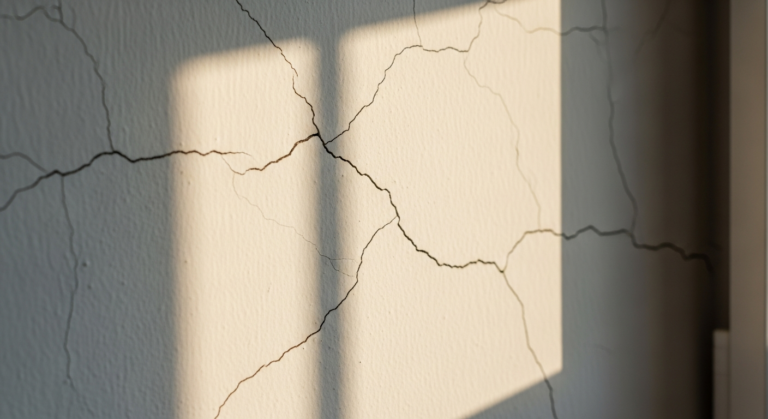
Cement mortar is a mix of ordinary Portland cement, sand, and water. It sets hard and quickly, offering high compressive strength and good water resistance. It became the standard mortar for UK construction from the mid-20th century onwards and is widely used in bricklaying, blockwork, and repointing on modern properties. However, its rigidity means it does not accommodate natural movement in walls, which can lead to cracking — particularly in older structures. For guidance on fixing cracks caused by incompatible mortars, see Why Do Walls Crack.
What Is Lime Mortar?
Lime mortar is made from lime (either hydraulic or non-hydraulic), sand, and water — with no Portland cement. It has been used in British construction for centuries and remains the correct choice for pre-1919 solid-walled buildings. Lime mortar is softer than the masonry it bonds, which means it acts as a sacrificial joint: it accommodates thermal movement, allows moisture to migrate and evaporate harmlessly, and can be repointed without damaging the surrounding brickwork or stone. Using cement mortar on an old lime-built wall traps moisture inside, accelerating decay. If you’re dealing with damp resulting from inappropriate repointing, see Fix Damp on Interior Walls for practical steps.
Side-by-Side Comparison
| Factor | Cement Mortar | Lime Mortar |
|---|---|---|
| Cost per m² | £3–£6 | £8–£18 |
| Durability | High compressive strength; can crack under movement | Flexible; self-healing micro-cracks through carbonation |
| Appearance | Grey; uniform; can look harsh on old masonry | Warm, natural tones; blends well with historic masonry |
| Install Difficulty | Moderate — faster set gives less working time | Moderate to high — longer curing; requires damp curing care |
| Maintenance | Low on modern builds; problematic if used on old buildings | Low when used correctly; joints can be raked and repointed easily |
| Lifespan | 50+ years on modern structures | 100+ years; traditional lime buildings still standing after centuries |
Cement Mortar — Pros and Cons
- Lower material cost than lime — better value for large-scale new builds
- Sets quickly, reducing project time
- High compressive strength suits modern cavity wall construction
- Widely available and easy to mix consistently
- Good resistance to driving rain in exposed locations when specification is correct
- Too rigid for old solid-wall buildings — causes cracking and spalling bricks
- Impermeable to moisture vapour, trapping damp in older walls
- Difficult to remove from historic masonry without causing damage
- Grey colour looks out of place on traditional stone or handmade brick
- Not permitted on most listed buildings or in conservation areas without approval
Lime Mortar — Pros and Cons
- Flexible and breathable — essential for pre-1919 solid-walled properties
- Softer than the masonry, so joints fail before bricks or stone do
- Allows moisture to migrate and evaporate, reducing damp risk
- Natural aesthetic suits period and listed buildings
- Repointing is straightforward without damaging surrounding masonry
- Higher material cost than cement mortar
- Longer curing time — hydraulic lime takes weeks; non-hydraulic takes months
- Requires more skill to mix and apply correctly
- Cannot be applied in frost or very wet conditions
- Less compressive strength — not appropriate for modern cavity or loadbearing blockwork
Which Is Better For…?
- A Victorian or Edwardian terraced house: Lime mortar every time. Solid walls built with soft handmade bricks and original lime mortar must be repointed with a compatible lime mix. Cement will trap moisture and cause bricks to spall. This applies to internal plastering too — see the Walls & Plastering Guide for the full picture.
- A new-build or post-1945 cavity wall property: Cement mortar is the standard and correct choice. It suits the harder engineering bricks and concrete blocks used in modern construction.
- A listed building or property in a conservation area: Lime mortar is required — using cement may breach planning conditions and cause structural harm. Always check with your local planning authority first.
- Repointing a garden wall or outbuilding on a pre-1900 property: Lime mortar is the safer choice. Garden walls often receive more moisture exposure than main walls, and lime’s breathability prevents hidden water damage building up inside the wall.
- A 1960s or 1970s extension or garage: Cement mortar is appropriate. The blockwork and brickwork used in this era was designed for cement-based joints and has the hardness and density to suit it.
UK Cost Comparison
Cement mortar materials typically cost £3–£6 per m² for repointing, with labour adding £15–£30 per m² depending on access and joint depth. Lime mortar materials run £8–£18 per m² — the wide range reflects whether you use natural hydraulic lime (NHL 2, 3.5, or 5) or a pre-mixed bagged product. Labour costs for lime repointing are broadly similar to cement but can be higher if a specialist is required for a listed building. On a typical bay-fronted Victorian terrace, full front-elevation repointing in lime mortar can cost £1,500–£4,000 with a specialist contractor. If you later need to repair blown plaster caused by moisture trapped behind cement repointing, repair costs typically add £200–£800 per room — making the right mortar choice a sound long-term investment. Always get at least three quotes from contractors experienced in the correct mortar type for your property’s age. For solid wall damp issues linked to incorrect mortar, the Insulation & Damp Guide covers diagnosis and remediation options.
Frequently Asked Questions
Can I use cement mortar to repoint an old brick wall?
Not if the wall is pre-1919 solid brickwork. Cement is harder and less permeable than the original bricks, trapping moisture inside and causing bricks to crack and spall over time. Use a lime mortar matched to the original mix instead.
How do I know if my wall was built with lime or cement mortar?
Scratch the existing joint with a nail or key — lime mortar is soft and crumbles easily, while cement mortar is hard and resists scratching. The age of the property is also a strong guide: pre-1919 buildings were almost universally built with lime.
What is natural hydraulic lime (NHL) and which grade should I use?
NHL is graded by strength: NHL 2 is weakest and most flexible (for soft stone), NHL 3.5 is the most common all-round choice for Victorian brickwork, and NHL 5 is stronger for exposed or below-ground work. Match the grade to the hardness of your masonry.
How long does lime mortar take to cure?
Hydraulic lime mortars gain strength over 4–8 weeks and continue hardening for months through carbonation. Non-hydraulic putty lime is even slower. Keep freshly applied lime mortar damp and shaded in hot weather, and do not apply in freezing conditions.
Will using the wrong mortar invalidate my home insurance or affect a property sale?
Using cement mortar on a listed building can breach planning consent, which may affect your insurance and complicate a sale if defects are flagged in a survey. A surveyor instructed by a buyer’s solicitor will often specifically note inappropriate repointing on period properties.
When specifying lime mortar for repointing, always test a small inconspicuous area first and wait at least four weeks before assessing colour match and adhesion — lime changes shade significantly as it carbonates, and what looks wrong fresh can blend perfectly once cured. Matching the sand type and colour to the original is as important as the lime grade itself.
Sources
- Historic England — Mortars, Renders and Plasters: Practical Building Conservation — historicengland.org.uk
- HSE — Construction Information Sheet: Lime and cement mortars — hse.gov.uk
- Historic England — Repointing Brick and Stone Walling (Advice Note) — historicengland.org.uk
This guide is for general information only. Always work safely and follow manufacturer instructions. DIYnut accepts no liability for injury or damage arising from DIY work.