Prepare Your Home for Cold Weather
Preparing your home for cold weather means insulating exposed pipes, bleeding radiators, checking boiler pressure, and clearing outside drains before temperatures drop. Tackle these tasks in October or November to avoid burst pipes, heating failures and costly emergency callouts.

Why This Season Matters
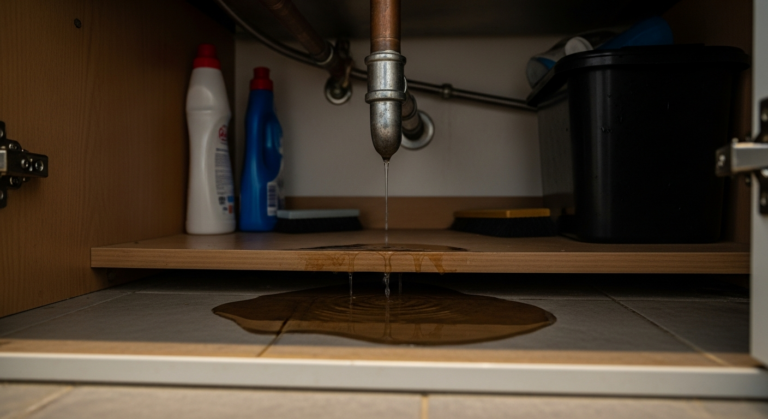
The period from October to early November is the window when overnight temperatures start falling towards zero but have not yet caused damage — making it the ideal time to act. Frozen pipes can burst and flood a property within hours; according to the Association of British Insurers, escape of water is consistently one of the most expensive home insurance claims, typically running into thousands of pounds per incident.
Getting ahead of cold weather also means tradespeople are still available at normal rates. Once a cold snap hits, emergency plumbers and heating engineers are overrun, and callout charges rise sharply. A few hours of preparation in autumn is far cheaper than a crisis repair in January.
Your Complete Checklist
- Insulate all exposed pipes — particularly in lofts, garages, and under floors
- Bleed every radiator to remove trapped air before you rely on the heating
- Check and repressurise your boiler if the pressure gauge reads below 1 bar
- Balance your radiators so heat is distributed evenly across all rooms
- Clear outside drains of leaves and debris to prevent freezing blockages
- Locate your stopcock and check it turns freely — essential if a pipe bursts
- Learn how to thaw a frozen pipe safely so you are prepared if one freezes
- Test your hot water runs correctly on both hot and cold settings
- Investigate any cold spots on radiators before the cold weather arrives
- Inspect pipe joints for any existing leaks or weeping and repair before they worsen
- Listen for unusual boiler noises such as banging or kettling and investigate promptly
- Fix any dripping taps — a slow drip can freeze in an unheated space and block a pipe
Step-by-Step for Each Task
Insulating exposed pipes: Identify all pipework in unheated spaces — loft, garage, cellar, and under suspended floors. Measure the pipe diameter and buy the correct size of foam lagging. Cut the lagging to length with scissors or a craft knife, split it along the pre-cut seam, and push it firmly onto the pipe. Butt sections together tightly and seal joins with insulating tape. Pay particular attention to bends and junctions, which are often left exposed. Full guidance is in the pipe insulation guide.
Bleeding radiators: With the heating on and up to temperature, feel each radiator. Cold patches at the top indicate trapped air. Turn the heating off and allow the system to cool slightly. Insert a radiator bleed key into the bleed valve (usually top-right on the radiator), hold a cloth beneath it, and turn anticlockwise slowly. You will hear air hissing out. Once a steady dribble of water appears, close the valve immediately. Check boiler pressure afterwards and top up if needed. See the full guide to bleeding a radiator.
Repressurising your boiler: Most modern combination boilers should sit between 1 and 1.5 bar when cold. If the pressure gauge reads below 1 bar, locate the filling loop (usually a braided flexible hose under the boiler) and slowly open both valves until the gauge reaches 1.2–1.5 bar, then close both valves firmly. Reset the boiler if it has locked out. Never pressurise above 2 bar. The step-by-step process is covered in the boiler repressurisation guide.
Clearing outside drains: Remove drain covers and clear accumulated leaf matter, silt, and debris by hand or with a drain rod. Flush through with a bucket of water to confirm flow. Check that gulley traps still hold water, as a dry trap allows cold air into the drain run and increases freeze risk. If drainage is still slow, use a drain rod with a plunger head to break up any partial blockages before frost sets in.
Tools and Materials You’ll Need
- Radiator bleed key
- Small bowl or cloth (for bleeding radiators)
- Foam pipe lagging — sized to your pipe diameter (typically 15 mm or 22 mm)
- Insulating tape or self-amalgamating tape
- Craft knife or scissors
- Torch (for inspecting loft, under-floor, and outside areas)
- Boiler filling loop (usually fitted to the boiler; check it is present and undamaged)
- Drain rods with plunger attachment
- Rubber gloves
- Bucket
- Adjustable spanner (for checking pipe joints)
- PTFE tape (for resealing any weeping threaded joints)
Common Mistakes to Avoid
- Leaving the loft hatch open to warm pipes: Opening the hatch lets warm air in temporarily but also allows it to escape continuously, raising energy bills without reliably protecting pipes. Proper insulation is the correct solution.
- Ignoring the stopcock until an emergency: Many stopcocks seize through lack of use. If yours is stiff, do not force it — apply a little penetrating oil and work it gently. Test it now, not when a pipe has burst.
- Bleeding radiators without checking boiler pressure afterwards: Releasing air reduces system pressure. If you bleed several radiators without topping up, pressure can drop low enough to lock out the boiler, leaving you without heating on the first cold night.
- Over-pressurising the boiler: Pushing the pressure above 2 bar can trigger the pressure relief valve to discharge, which is often mistaken for a leak. Always pressurise slowly and stop at 1.2–1.5 bar.
- Assuming outside taps are frost-proof: Many older outside tap fittings are not frost-proof. Turn off the internal isolating valve for the outside tap and drain it down before the first frost, even if the tap itself is labelled frost-resistant.
Frequently Asked Questions
At what temperature do pipes freeze in a UK home?
Pipes can begin to freeze when air temperatures drop to 0 °C, but the real risk occurs when sustained sub-zero temperatures chill uninsulated pipework in lofts, garages, or external walls. Even a brief hard frost overnight is sufficient to freeze a pipe that lacks lagging.
Should I leave the heating on low when I go away in winter?
Yes. Setting the heating to come on at a minimum of 12–15 °C while the property is unoccupied keeps pipework above freezing and costs far less than repairing a burst pipe. Inform a trusted neighbour and turn off the water at the stopcock if the property will be empty for more than a few days.
How do I know if my boiler pressure is correct before winter?
Check the pressure gauge on the boiler when the system is cold. A reading between 1 and 1.5 bar is correct for most systems. Below 1 bar means you need to repressurise via the filling loop; above 2.5 bar means you should bleed a radiator slightly to reduce pressure.
Can I insulate pipes myself or do I need a plumber?
Fitting foam pipe lagging to accessible pipework is a straightforward DIY task requiring no special skills or tools. Only call a plumber if you need to trace hidden pipework, access pipes beneath concrete floors, or deal with any existing leaks you discover during your inspection.
What should I do if a pipe bursts during cold weather?
Turn off the water supply at the stopcock immediately, then turn on cold taps to drain the system. Switch off the boiler and any immersion heater. Call a plumber and, if water has reached electrics, switch off at the consumer unit and contact a qualified electrician before re-energising anything.
When insulating pipes in a loft, also insulate the cold-water tank sides and lid but leave the base uninsulated — this allows residual warmth rising from the rooms below to help protect it. Insulating the base traps cold air underneath and can actually increase the risk of the tank freezing.
Sources
- Association of British Insurers — Escape of water claims guidance — abi.org.uk
- HSE — Legionella and hot and cold water systems: temperature guidance — hse.gov.uk
- Energy Saving Trust — Draught-proofing and insulation guidance for UK homes — energysavingtrust.org.uk
Safety Notice: Electrical and plumbing work can be dangerous if done incorrectly. In the UK, certain electrical work must comply with Part P of the Building Regulations and certain plumbing work with Part G. If in doubt, consult a qualified electrician (NICEIC/NAPIT registered) or plumber (CIPHE/WaterSafe registered). This guide is for general information only — it is not a substitute for professional advice.