Bathroom DIY: Complete UK Guide 2026
Bathroom DIY: Complete UK Guide 2026
The bathroom is one of the most worked rooms in any UK home — and one of the most expensive to get wrong. Whether you’re fitting a new shower, replacing a bath panel, or retiling a wet wall, this guide covers what you can realistically tackle yourself and where it pays to bring in a tradesperson. We’ve broken it down into Showers, Baths, and Tiles so you can find what you need fast and get on with the job.
Browse Bathroom Guides
Bathroom Tiles
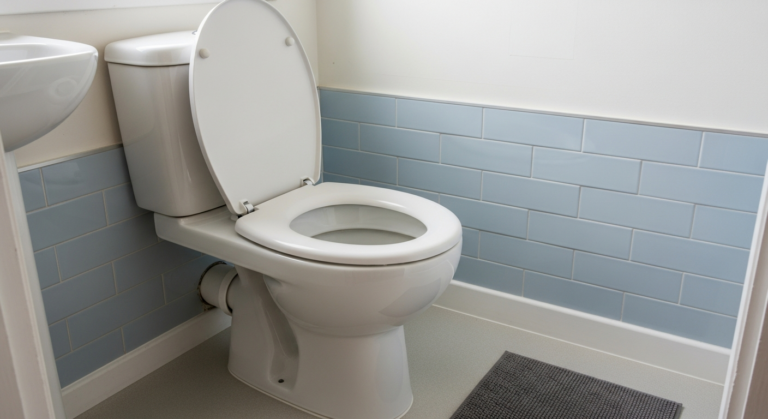
Bathroom Toilets
Sealing & Silicone
Materials Guide
Trade vs DIY
Frequently Asked Questions
Do I need a qualified electrician to fit an electric shower in the UK?
Yes — in England and Wales, installing an electric shower is notifiable work under Part P of the Building Regulations because it involves a new circuit from the consumer unit. The work must either be carried out by a registered competent person (such as an NICEIC or NAPIT-registered electrician) or be notified to your local building control authority before work begins. Skipping this step can cause problems when you come to sell your home, and it’s a serious safety risk.
What’s the best way to stop tiles cracking in a UK bathroom?
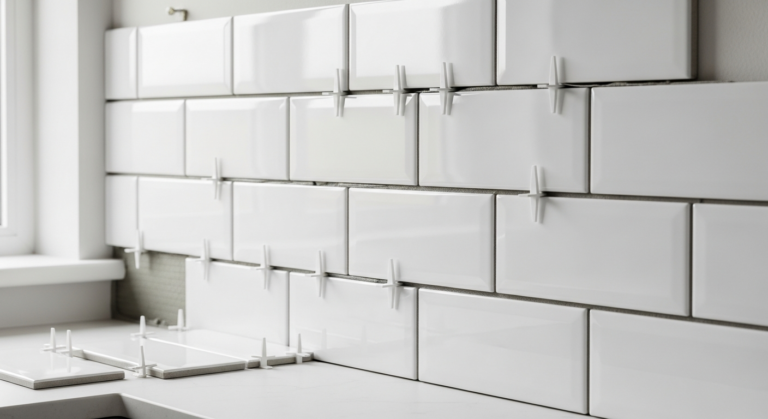
Cracked tiles are almost always a substrate problem rather than a tile problem — if the wall or floor flexes, the tile or grout joint will eventually give way. Make sure your surface is solid and fully bonded before you start, use a flexible tile adhesive (check it’s rated for wet areas), and always leave movement joints at internal corners rather than grouting solid. In older UK homes with timber floors, consider a decoupling mat to absorb movement before laying floor tiles.
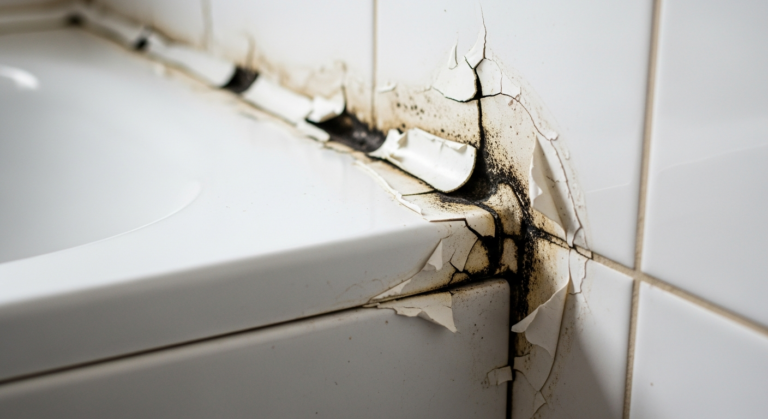
How do I stop my bathroom silicone going black with mould?
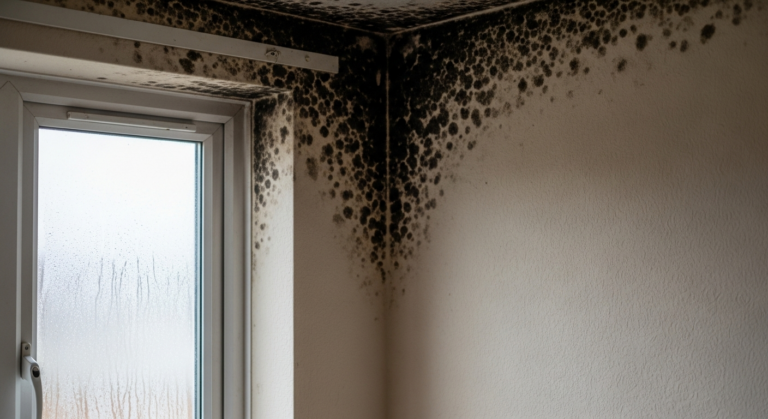
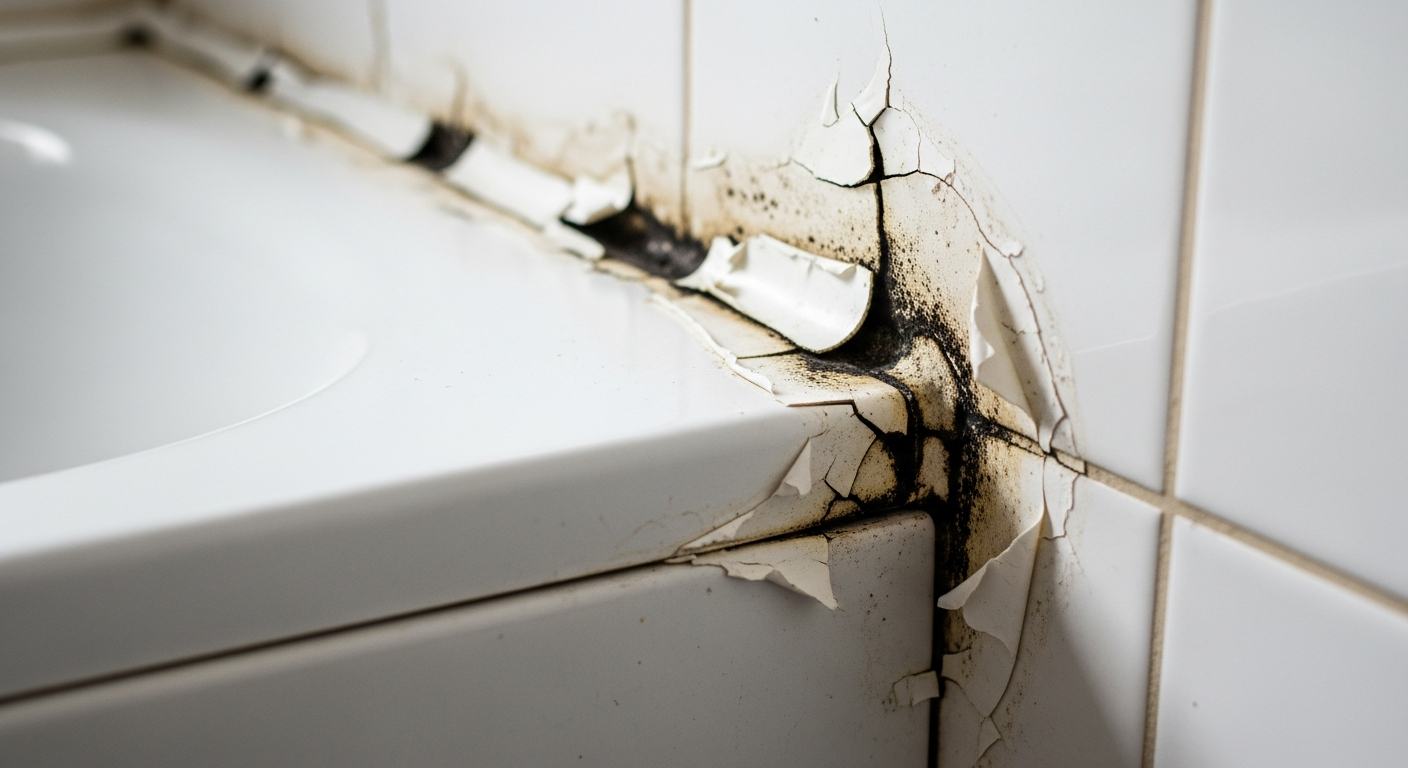
Black mould on silicone sealant is a ventilation problem as much as a cleaning one — if the room stays damp after a shower, mould will keep coming back no matter how often you regrout. Make sure your extractor fan is actually working to building regs standard (15 litres per second minimum for a bathroom) and that it runs on a timer after you leave the room. When you do need to replace the silicone, cut it all out cleanly, treat the surface with a mould killer, let it dry fully, and use a sanitary-grade silicone with a fungicide built in.
Can I fit a shower over my existing bath in the UK?
Yes, and it’s a common and cost-effective upgrade — but you need to think about water containment and the tiling or wall surface around the bath before you start. A mixer tap with a riser rail and shower handset is the simplest option and avoids any electrical work; an electric shower over a bath is more complex and must be wired correctly with an appropriate IP-rated fitting for the zone it sits in. Make sure the bath surround is fully waterproofed with tiles or a suitable panel system, and that the silicone seal between bath and wall is in good condition.
How long does bathroom grout last and when should I replace it?
In a well-ventilated bathroom with proper waterproof grout, you can reasonably expect ten or more years before it needs replacing — but harsh cleaners, poor ventilation, and movement in the substrate can shorten that considerably. Signs it’s time to regrout include crumbling, hollow-sounding grout, persistent mould that won’t clean off, or any grout that’s missing entirely around wet areas. Don’t just grout over the top of old grout — rake it out to a decent depth first, otherwise the new grout sits too shallow and won’t last.
- HSE — Electrical safety in bathrooms — hse.gov.uk
- Which? — Bathroom renovation guide — which.co.uk
Get the Full Guide with DIYnut AI
Photograph your space, tell the app what you want, and get an AI-generated after image, full materials list, and step-by-step guide in seconds.