Timber & Joinery: Complete UK DIY Guide 2026
Timber & Joinery: Complete UK DIY Guide 2026
Timber and joinery covers some of the most satisfying DIY work you can do in a home — and some of the most unforgiving if you get it wrong. This guide covers everything from hanging doors and fitting frames, through to building shelving and storage, right up to structural timber work. Whether you’re a confident beginner or a seasoned home improver, you’ll find straight-talking advice on what you can tackle yourself and when it’s worth calling someone in.
Browse Timber & Joinery Guides
Architrave
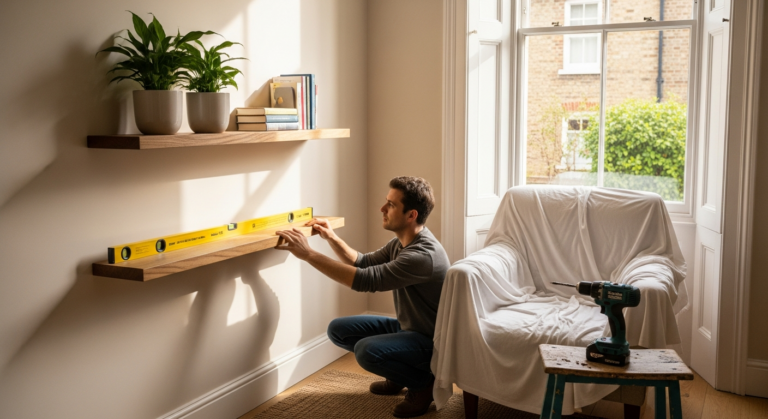
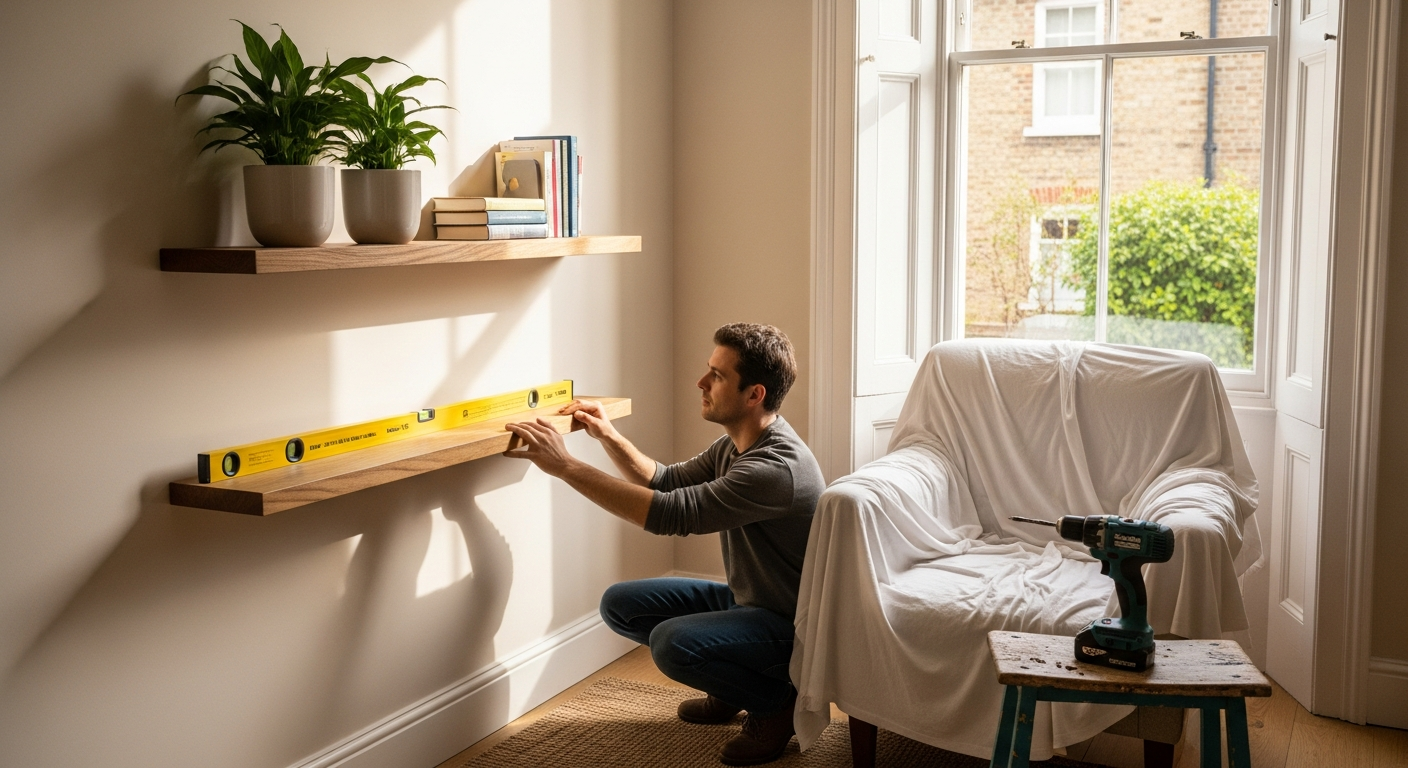
Shelving & Storage
Skirting Boards
Timber Windows
Trade vs DIY
Frequently Asked Questions
What’s the best wood to use for interior shelving in a UK home?
For painted shelves, MDF is hard to beat — it’s stable, takes paint well, and is widely available from any UK builders’ merchant or DIY shed. If you want a natural timber look, CLS-grade pine or redwood is cost-effective and easy to work with, but go for kiln-dried stock to avoid warping once it’s in a heated room. Hardwoods like oak give a premium finish but add cost and require sharper tools.
My interior door keeps sticking — do I need to replace it or can I fix it?
Nine times out of ten, a sticking door just needs planing rather than replacing — check the hinge side first, as dropped or loose hinges are the most common cause and the easiest fix. If the frame itself has moved due to seasonal moisture or subsidence, you may need to plane the leading edge of the door rather than refit hinges. Only replace the door if it’s warped beyond planing or if it’s an old hollow-core that’s past its useful life.
Do I need building regulations approval to build a stud wall in my house?
A non-load-bearing stud partition wall generally doesn’t require building regulations approval in England and Wales, provided it doesn’t affect means of escape, fire spread, or structural integrity. However, if the new wall creates a separate room that needs its own ventilation or changes the layout around a fire exit, you’ll need to notify your local building control. When in doubt, a quick call to your local authority building control team costs nothing and could save a costly retrospective inspection.
How do I fix a squeaky floorboard without lifting it?
If you’ve got access from below, driving screws up through the joist and into the board to pull it tight is the most reliable fix. From above, you can drive screws at an angle into the joist to pull the board down — countersink them and fill with a matching wood filler. Talcum powder or graphite powder worked into the joint can quieten boards temporarily but it’s not a long-term solution.
What’s the difference between PSE and CLS timber, and which should I use?
PSE (Planed Square Edge) is smooth on all four sides and is your go-to for joinery, shelving, and anything that’ll be seen — it takes paint and stain cleanly. CLS (Canadian Lumber Standard) is a structural-grade stud timber with rounded arris edges, designed for framing walls and not intended to be on show. Use CLS for building stud partitions and noggings, PSE for anything decorative or finished.
- HSE — Woodworking safety — hse.gov.uk
- GOV.UK — Building Regulations Part A (structure) — gov.uk
Get the Full Guide with DIYnut AI
Photograph your space, tell the app what you want, and get an AI-generated after image, full materials list, and step-by-step guide in seconds.