How to Skim a Wall – 2026 Guide
DIY Guides › Plastering & Walls
How to Skim a Wall
Get a smooth, paint-ready finish on any wall with this step-by-step skimming guide.
To skim a wall, apply a bonding coat if needed, mix finishing plaster to a smooth consistency, spread two thin coats with a plastering trowel, and polish the surface flat before it fully sets. Allow 24 hours to dry before painting.

- Plastering trowel
- Hawk
- Mixing paddle and drill
- Plasterer’s float
- Bucket
- Straight edge or feather edge
- Splash brush or large paintbrush
- Sponge
- Finishing plaster
- PVA bonding agent
- Clean water
- Fine-grade sandpaper
- Dust sheets
- Masking tape
- Plasterboard joint tape (if applicable)
Step-by-Step Guide
Prepare the Wall Surface
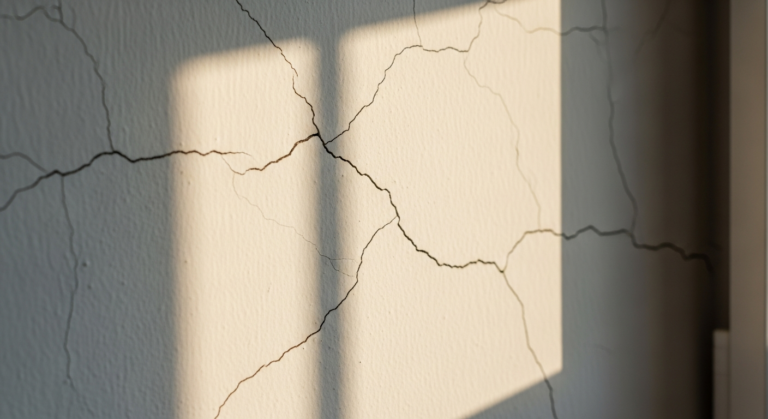
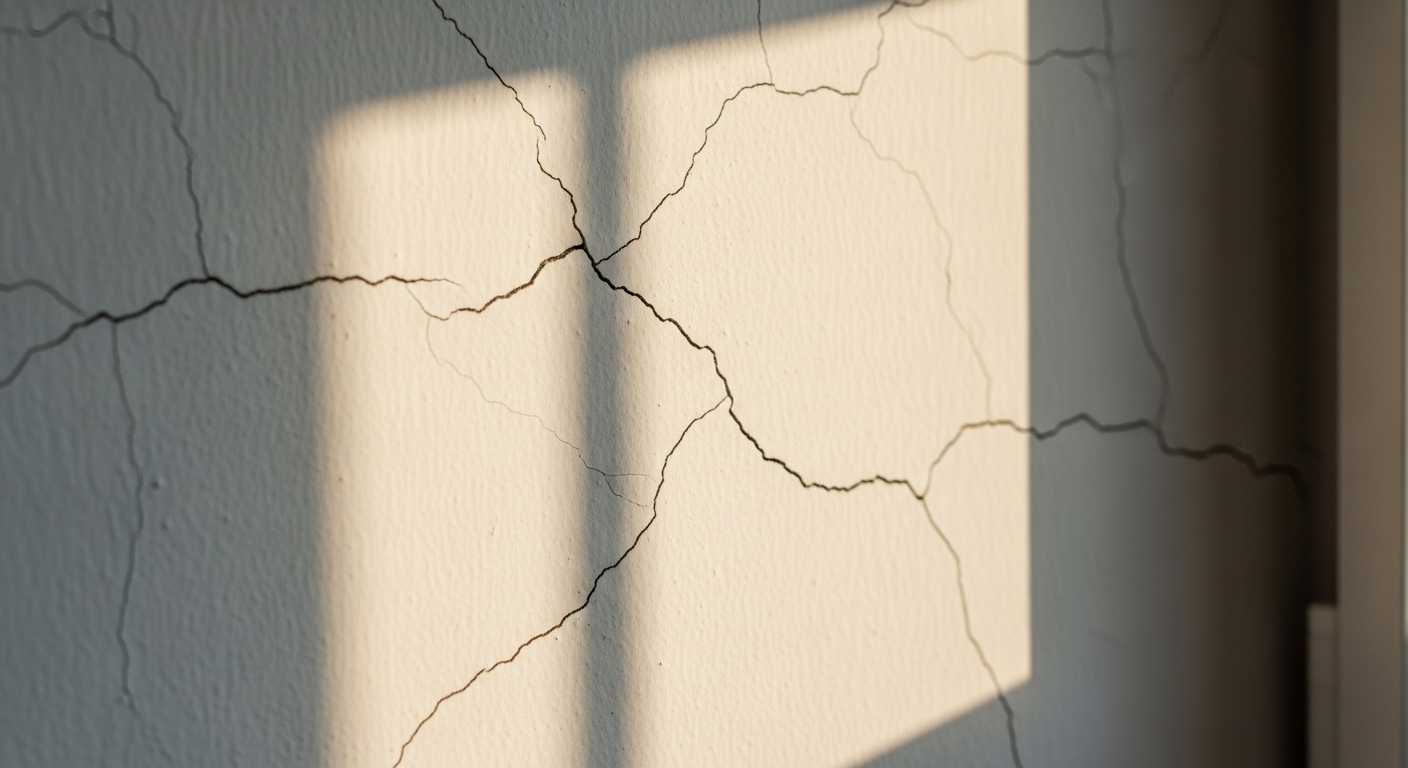
Clear the room, lay dust sheets, and mask off skirting boards, ceilings, and any architrave. Check the existing wall for loose or flaking material and scrape it back to a firm surface — skimming over unstable substrate guarantees failure. Fill any deep holes or cracks with bonding plaster and allow to dry before proceeding.
Apply PVA Bonding Agent
Dilute PVA bonding agent with water (roughly 1 part PVA to 4 parts water) and brush it liberally over the entire wall surface. Allow the first coat to dry completely, then apply a second, more concentrated coat (around 1:1) and skim while the second coat is still tacky — this is the most critical timing judgement in the whole job. Skimming onto fully dry PVA defeats the purpose; you need a slightly sticky surface to key the plaster.
Mix the Finishing Plaster
Add finishing plaster to clean cold water in a clean bucket — never the other way around — and mix with a paddle attached to a slow-speed drill until the consistency resembles thick double cream with no lumps. A contaminated bucket or warm water will cause the plaster to set prematurely, so rinse your tools between each mix. Only mix what you can apply in roughly 20 minutes.
Apply the First Coat
Load the hawk with plaster and transfer it to the trowel, spreading it across the wall in smooth, upward diagonal strokes to a thickness of around 2–3 mm. Work in sections of approximately one square metre at a time, keeping a wet edge to avoid visible join lines. Once the whole area is covered, use a straight edge or feather edge to rule off the surface and identify any high or low spots.
Apply the Second Coat and Tighten Up
When the first coat has firmed up but is not yet dry (it will lose its sheen and darken slightly), apply a thinner second coat of around 1–2 mm. This coat fills imperfections and builds up a flat, even surface. As it begins to set, use the trowel at a low angle with firm, sweeping strokes to tighten and compress the plaster — this is what creates the smooth, hard finish.
Polish and Allow to Dry
As the plaster approaches its final set, lightly dampen the surface with a splash brush and use the trowel almost flat to polish the finish to a smooth, tight surface free of trowel marks. Do not overwork a plaster that is too wet or too dry — timing is everything. Leave the wall to dry fully for a minimum of 24 hours; newly skimmed plaster must appear uniformly light pink before you apply any paint or primer.
Frequently Asked Questions
Do I need to PVA a wall before skimming?
Yes — on most surfaces. PVA bonding agent seals porous backgrounds, prevents the wall from drawing moisture out of the plaster too quickly, and gives the skim coat a surface to grip. The only exception is fresh, uncontaminated plasterboard, which can sometimes be skimmed without PVA if it has been properly jointed and taped.
How long does skimmed plaster take to dry before painting?
Can a beginner skim a wall?
Skimming is rated Advanced for good reason — consistent results require practice with trowel timing, pressure, and angle. Most beginners are better off starting on a small area such as a patched repair rather than a full wall. If you need a wall skimmed to a professional standard, hiring a plasterer for a day will often work out cheaper than multiple failed attempts.
What is the difference between skimming and plastering?
Skimming refers specifically to applying a thin (2–3 mm) finishing coat of plaster over an existing surface to create a smooth finish. Full plastering involves building up one or two undercoat (browning or bonding) layers before the finishing skim, and is used on bare masonry or new walls where there is no existing smooth surface.
How do I stop finishing plaster setting too quickly?
Always use cold, clean water — warm water accelerates the set and can cause the plaster to go off in the bucket before you have finished the wall. Keep your bucket, hawk, and trowel scrupulously clean, as old plaster residue acts as a catalyst and dramatically shortens working time.
Before polishing the final coat, run a dampened trowel in long, unbroken vertical passes from floor to ceiling — this reveals any remaining hollows as the light catches the wet surface differently. Catching these at this stage takes seconds; filling them once the plaster has dried requires sanding and recoating.
Sources
- HSE — Plastering: health and safety basics — hse.gov.uk
- Which? — How to plaster a wall — which.co.uk
- gov.uk — Health and safety in construction: plastering — gov.uk
This guide is for general information only. Always work safely and follow manufacturer instructions. DIYnut accepts no liability for injury or damage arising from DIY work.