Plumbing: Complete UK DIY Guide 2026
Plumbing: Complete UK DIY Guide 2026
Plumbing is one of those areas where a bit of knowledge saves you a fortune — most common household jobs are well within reach of a confident DIYer with the right guidance. This guide covers the four areas UK homeowners deal with most: Taps, Toilets, Radiators, and Sinks & Drains. Know what you’re doing, work safely, and you’ll sort the majority of issues without waiting days for a plumber.
Browse Plumbing Guides
Sinks & Drains
Radiators & Heating
Taps & Mixers
Water Pressure
Common Problems
Seasonal Maintenance
Frequently Asked Questions
Do I need to turn off the mains water supply to fix a dripping tap?
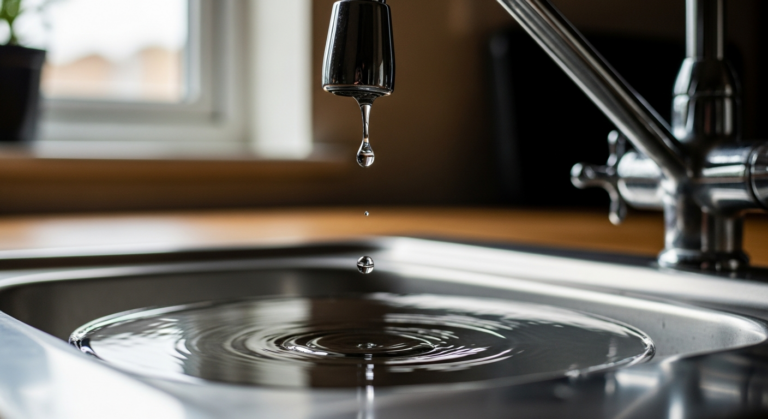
Not always — most modern taps and isolation valves under the sink let you shut off just that supply without killing the whole house. If there’s no isolator fitted, you’ll need to find your mains stopcock, usually under the kitchen sink or where the supply enters the property. It’s worth knowing where yours is before you need it in an emergency.
Why does my toilet keep running after flushing?
Nine times out of ten it’s either a worn flapper valve not seating properly, or the float in the cistern is set too high and water is trickling into the overflow. Both are cheap fixes — replacement fill valves and flapper kits are under a fiver at most plumbers’ merchants or DIY sheds. If the cistern is cracked or the siphon unit is the old brass type, it might be time for a full cistern kit replacement.
Is it safe to use chemical drain unblockers in UK household pipes?
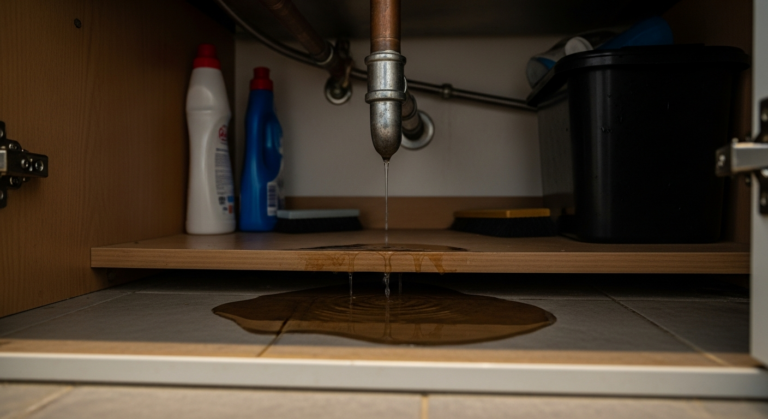
Used correctly and occasionally, they’re fine for grease and hair blockages in waste pipes, but don’t make a habit of it — strong caustic products can degrade older plastic push-fit fittings over time. For a stubborn blockage, a drain rod set or a hand-held drain snake will always do a cleaner job with no risk to your pipework. If it’s backing up from multiple outlets at once, you’ve likely got a blockage further down the soil stack and that needs rodding from outside.
Can I bleed my radiators myself, and will it affect my boiler pressure?
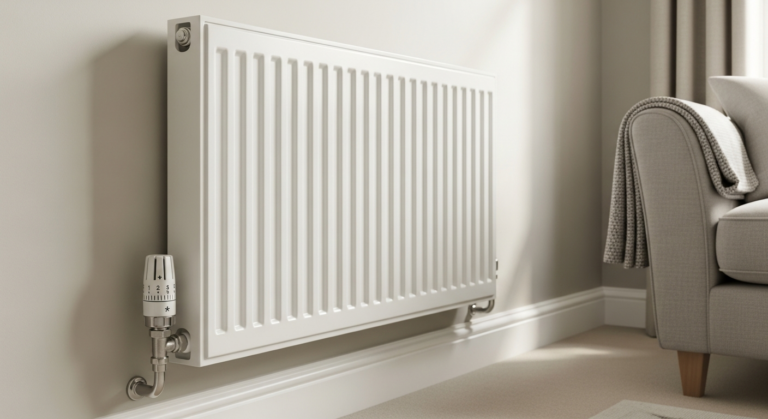
Yes, bleeding radiators is one of the easiest DIY plumbing jobs there is — all you need is a bleed key and a cloth. On a sealed system (which most modern combi boiler setups are), bleeding will drop the system pressure slightly, so check the gauge on your boiler afterwards and top it up via the filling loop if it’s dropped below 1 bar. On an older open-vented system with a header tank in the loft, pressure isn’t an issue.
What plumbing jobs am I legally allowed to do myself in the UK?
In England and Wales, most domestic plumbing work — replacing taps, toilets, radiators, and waste fittings — can be done by a competent homeowner without notifying Building Control, as it doesn’t fall under Part P (which covers electrics) or Gas Safe regulations. The key exception is anything connected to gas appliances, which must be carried out by a Gas Safe registered engineer by law. Hot water unvented cylinders (megaflow-type systems) also require a qualified installer and a Building Regulations notification.
- HSE — Legionella and water safety — hse.gov.uk
- GOV.UK — Water supply regulations — gov.uk
Get the Full Guide with DIYnut AI
Photograph your space, tell the app what you want, and get an AI-generated after image, full materials list, and step-by-step guide in seconds.