uPVC vs Timber Windows
Doors & Windows › Doors & Windows
uPVC vs Timber Windows
Choose the right window material for your home, budget, and maintenance appetite.
uPVC windows are cheaper, require almost no maintenance, and suit most modern UK homes. Timber windows cost more and need regular upkeep but offer superior aesthetics and are often required in conservation areas or listed buildings.

What Is uPVC?
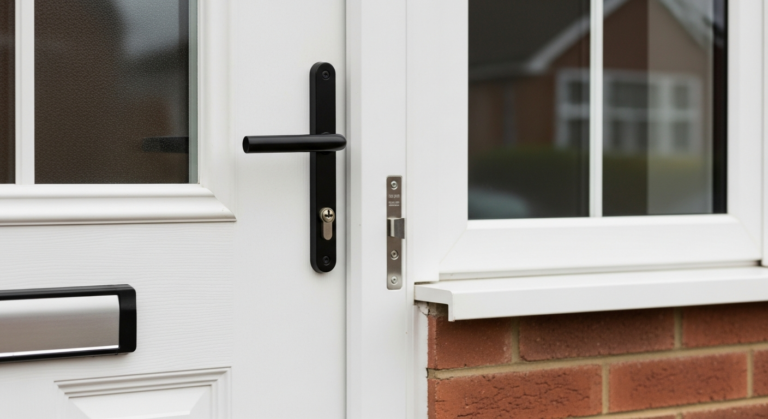
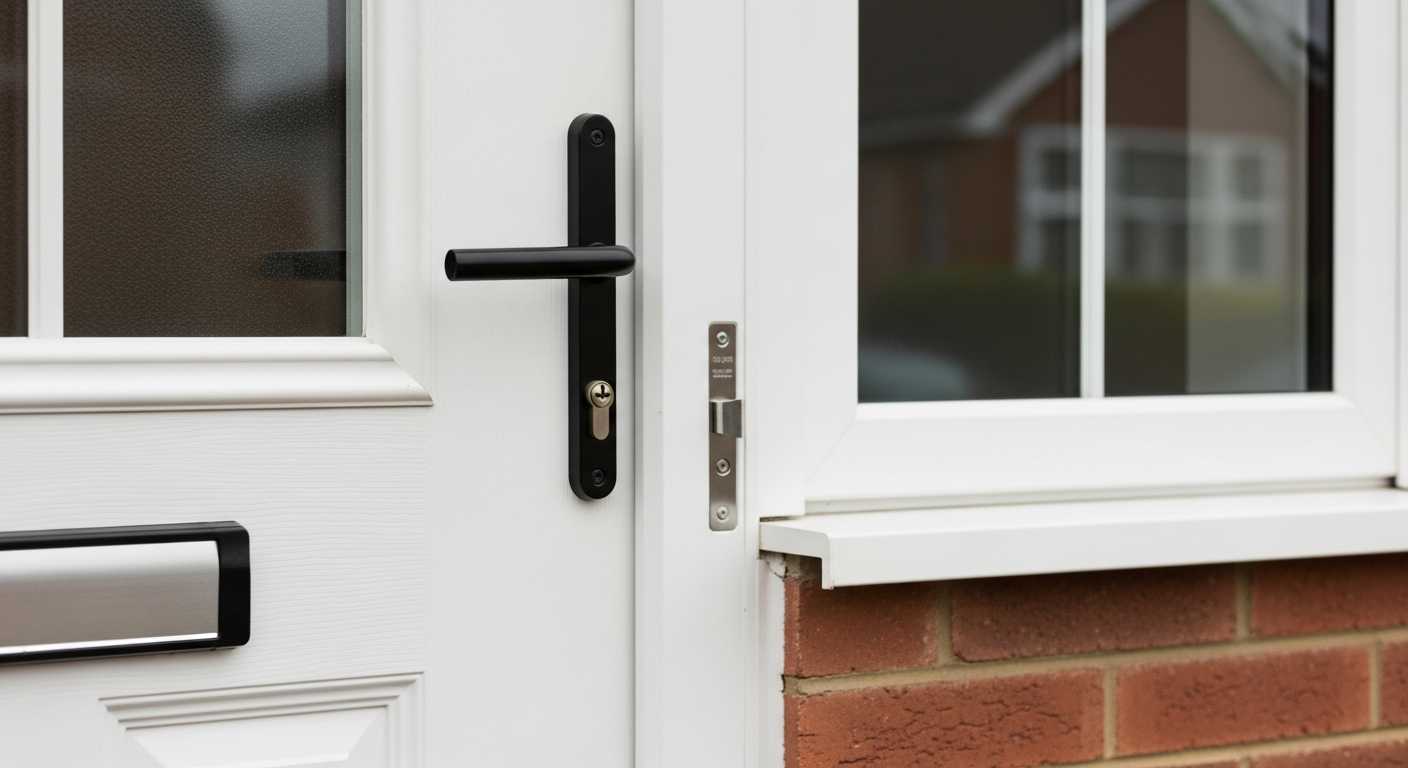
uPVC (unplasticised polyvinyl chloride) is a rigid plastic used to make window frames throughout the UK. It is factory-manufactured in standard profiles, requires no painting, and is inherently resistant to rot and damp — making it by far the most popular window material for new builds and replacement windows in the UK. Frames can be white, cream, or foil-wrapped to mimic wood grain finishes. For common faults that develop over time, see our guide on how to fix a uPVC window handle.
What Is Timber?
Timber windows are frames machined or joinery-crafted from softwood (typically Scots pine or redwood) or hardwood (such as oak or meranti). They have been used in UK homes for centuries and remain the material of choice in conservation areas, listed buildings, and period properties where planning conditions restrict uPVC. Timber frames can be painted or stained in any colour and repaired rather than replaced when damaged. If your existing timber frames show signs of deterioration, learn how to repair a wooden window frame before committing to full replacement.
Side-by-Side Comparison
| Factor | uPVC | Timber |
|---|---|---|
| Cost per m² | £150–£400 | £300–£900+ |
| Durability | Very good — resistant to rot and corrosion; can yellow or become brittle after decades | Excellent when maintained; susceptible to rot if paint or finish breaks down |
| Appearance | Clean and functional; foil finishes available but less convincing than real wood | Traditional, warm, authentic; accepts any paint or stain colour |
| Install Difficulty | Moderate — standard frames clip or screw into openings; FENSA registration required | Moderate to high — heavier frames, more precise fitting and sealing needed |
| Maintenance | Very low — wipe clean, occasional hardware lubrication | High — repaint or re-stain every 3–7 years; check putty and seals annually |
| Lifespan | 20–35 years | 40–100+ years (with maintenance) |
uPVC — Pros and Cons
- Low purchase and installation cost compared to timber
- Virtually maintenance-free — no painting or staining required
- Good thermal performance when specified with multi-chamber profiles
- Wide availability; fast lead times from most installers
- Resistant to rot, damp, and insect damage
- Cannot be repaired like timber — damaged sections usually require full frame replacement
- Not acceptable in many conservation areas or for listed buildings
- White frames can yellow or discolour over time in UV-exposed locations
- Finite lifespan of 20–35 years before replacement is needed
- Less visually suited to period or traditional-style properties
Timber — Pros and Cons
- Authentic appearance that suits period and traditional UK homes
- Repairable — sections can be patched, spliced, or re-glazed rather than replaced entirely
- Accepted (and often required) in conservation areas and listed buildings
- Can last a century or more with proper maintenance
- Accepts any paint colour; easy to update aesthetics without replacement
- Higher upfront cost than uPVC
- Requires regular painting or staining every 3–7 years
- Susceptible to rot if maintenance is neglected — see our guide to fix a rotting window sill
- Heavier and more complex to install than uPVC
- Softwood options particularly prone to rot at cill and joint areas if not sealed properly
Which Is Better For…?
- Conservation areas and listed buildings: Timber wins by default — local planning authorities routinely refuse uPVC in these settings. Check with your local planning department before ordering anything. See the broader Doors & Windows Guide for planning overview.
- Low-maintenance family homes: uPVC is the clear choice — no annual painting, just occasional cleaning and hardware checks.
- Budget-conscious replacements: uPVC costs significantly less to supply and install, making it the practical choice when replacing multiple windows at once.
- Victorian or Edwardian terraces outside conservation areas: Timber is visually appropriate and easier to match to existing joinery profiles. If you are also upgrading internal joinery, our guide on how to fit architrave covers complementary internal finishes.
- Long-term investment / heritage properties: Timber offers the better long-term value if maintained — a well-kept hardwood frame can outlast three or four uPVC replacements over the same period.
UK Cost Comparison
For a standard casement window (roughly 1.2m × 1.2m), uPVC supplied and fitted typically costs between £400 and £800, equivalent to approximately £150–£400 per m² depending on specification, glazing type, and region. Timber windows of equivalent size generally range from £700 to £1,800 or more, putting the per-m² cost at roughly £300–£900+. Hardwood frames (oak, accoya) sit at the top of that range. These figures cover supply and professional installation; DIY fitting reduces labour costs but requires FENSA-registered notification or a local authority building control application for replacement windows in England and Wales. For guidance on measuring before ordering, see how to measure for replacement windows. Cost data is indicative; always obtain at least three installer quotes. (Source: Which?, Checkatrade cost guides.)
Frequently Asked Questions
Can I replace timber windows with uPVC in a conservation area?
In most cases, no. Local planning authorities typically require like-for-like replacement in conservation areas, which means timber profiles. Always check with your local planning department before ordering, as unauthorised replacements may require retrospective consent or removal.
How long do uPVC windows last in the UK?
Most uPVC windows have an expected lifespan of 20–35 years. Frames exposed to prolonged south-facing sunlight may yellow or become brittle sooner. Quality of manufacture and installation significantly affects longevity.
Do timber windows need planning permission?
Replacing windows with timber units of a similar appearance is generally permitted development in England. However, listed buildings always require listed building consent, and conservation areas may restrict changes. Check gov.uk planning guidance or contact your local authority.
Are timber windows better for thermal insulation than uPVC?
Not inherently. Both materials can achieve good thermal performance — what matters most is the glazing specification (double or triple glazing, low-E coating, gas fill) and the quality of installation and sealing around the frame, not the frame material alone.
Can I draught-proof existing windows rather than replacing them?
Yes, and it is often the most cost-effective first step. Brush pile seals, foam strips, and compression seals can significantly improve draughty timber sash or casement windows. Our guide on how to draught proof sash windows covers the process in detail.
When fitting timber windows, prime all six faces of the frame — including the top and bottom edges — before installation, not just the visible surfaces. Unpainted end grain is the most common entry point for moisture that leads to rot, and it is impossible to reach properly once the frame is in the opening.
Sources
- Which? — Double glazing buying guide and cost information — which.co.uk
- Checkatrade — Cost of new windows in the UK — checkatrade.com
- gov.uk — Planning permission: windows, doors and roof lights — gov.uk
This guide is for general information only. Always work safely and follow manufacturer instructions. DIYnut accepts no liability for injury or damage arising from DIY work.