Replace Windows: Trade vs DIY
Doors & Windows › Doors & Windows
Replace Windows: Trade vs DIY
Know when to fit windows yourself and when to call a qualified installer.
Replacing windows is legal to DIY in England and Wales, but the work must comply with Building Regulations Part L and Part Q. Most homeowners hire a FENSA-registered installer to self-certify compliance. Competent DIYers can fit like-for-like replacements, but structural openings always need a professional.

The DIY Option
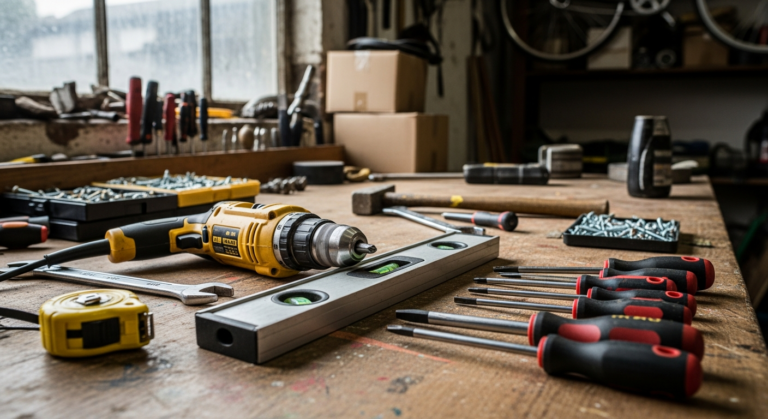
Replacing a window yourself is achievable for a competent DIYer — but it sits firmly at the advanced end of home improvement. You need a solid understanding of how window frames are fitted and sealed, patience for precise measuring, and the confidence to work at height if upstairs windows are involved. Before you start, read our guide on how to measure for replacement windows to avoid costly ordering mistakes. Essential tools include a cordless drill, spirit level, silicone gun, timber packers, hammer and bolster, tape measure, and appropriate fixings for your wall type. Budget roughly £150–£600 per window for the unit itself, plus £30–£80 in consumables (expanding foam, silicone, fixings, trims). The main risks are poor weatherproofing, thermal bridging, frames that rack out of square, and — critically — failing to notify your local authority or obtain a FENSA certificate, which can cause problems when selling your home. The work must comply with Building Regulations Approved Document L (thermal performance) and Part Q (security). If you do not use a FENSA-registered installer to self-certify, you must submit a building regulations application to your local council before starting.
The Trade Option
A professional window installer surveys the opening, orders the unit to exact size, removes the old frame cleanly, makes good the reveal, fits and levels the new frame, applies low-expansion foam and silicone internally and externally, fits trims, and — if FENSA-registered — issues a compliance certificate automatically. This certificate is required by mortgage lenders and conveyancers when you sell. Typical supply-and-fit costs run from £400 to £1,200 per window depending on size, glazing specification, and material (uPVC, aluminium, or timber). Bay windows and large picture windows sit at the higher end. Find installers through the FENSA member search or the Glass and Glazing Federation (GGF). Always get three written quotes and check that the installer holds current public liability insurance. If a window has developed condensation between panes, that is a separate sealed-unit failure — see our guide on fixing condensation in double glazing before committing to a full replacement.
Side-by-Side Comparison
| Factor | DIY | Trade |
|---|---|---|
| Cost | £150–£600 per window (materials only) | £400–£1,200 per window (supply & fit) |
| Time | Half a day to full day per window | 1–2 hours per window for an experienced team |
| Skill Required | Advanced — precise measuring, sealing, fixings | Qualified installer; no DIY skill needed |
| Risk Level | High — water ingress, non-compliance, security gaps | Low — professional accountability and warranty |
| End Quality | Variable — depends heavily on experience | Consistent finish with manufacturer guarantee |
| Legal Requirements | Building Regs Part L & Q; local authority notification or FENSA certificate required | FENSA-registered installer self-certifies; no separate council application needed |
When DIY Makes Sense
- You are replacing a window like-for-like in the same opening, with no structural or lintel work involved.
- You have previous experience with accurate measuring, timber or uPVC fixing, and weatherproofing — or you have a skilled helper who does.
- You are prepared to submit a building regulations application to your local council before starting, and understand you will need a completion certificate upon inspection.
- The window is on the ground floor, removing the need to work at significant height without appropriate scaffolding or access equipment.
When You Must Use a Tradesman
- Structural alterations: If you are enlarging or repositioning the opening, this is notifiable structural work under Building Regulations and requires a structural engineer’s input alongside a qualified builder.
- Listed buildings or conservation areas: Permitted development rights are restricted; consent from the local planning authority is required before replacing windows, and certain glazing specifications are mandated.
- FENSA certification for sale: If you cannot self-certify, mortgage lenders and solicitors will require evidence of compliance. A FENSA-registered installer provides this automatically; a DIY fit requires a local authority inspection and completion certificate, which adds cost and delays.
- Height and access: Working above ground-floor level without proper scaffolding or a PASMA-compliant tower is a significant fall risk under HSE guidance. Use a professional with appropriate access equipment for upper-floor windows.
- Flat or commercial rooflight replacements: These involve waterproofing details beyond standard window fitting and should be handled by a specialist.
If You DIY — Where to Start
Before ordering any unit, accurate measurement is everything. An incorrectly sized frame cannot be returned or adjusted on site. Begin with our step-by-step guide How to Measure for Replacement Windows, which walks you through measuring the existing frame and the rough opening, accounting for packers and tolerances. Once the window is in, you will likely need to make good the internal reveal — our guide to repairing a wooden window frame covers related reveal and frame finishing techniques. For broader context on doors and windows projects, visit the full Doors & Windows Guide.
Frequently Asked Questions
Do I need planning permission to replace windows in my home?
In most cases, no — replacing windows is permitted development for standard houses. However, if your property is listed or in a conservation area, you must apply to your local planning authority before proceeding.
What is a FENSA certificate and do I need one?
A FENSA certificate confirms that your replacement windows comply with Building Regulations. It is issued automatically when a FENSA-registered installer fits your windows. Without it, you must obtain a local authority completion certificate, which is required when selling your home.
Can I replace a window myself legally in England?
Yes — DIY window replacement is legal in England, but the work must comply with Approved Document L (energy efficiency) and Part Q (security). You must either use a FENSA-registered installer or notify your local building control authority before starting and have the work inspected.
How long does it take to replace a window?
An experienced professional team typically replaces a standard window in one to two hours. A competent DIYer should allow at least half a day per window, accounting for removal, fitting, sealing, and making good.
What are the main risks of DIY window replacement?
The primary risks are water ingress from poor sealing, heat loss from thermal bridging, frames fitted out of square, security vulnerabilities if the window does not meet Part Q standards, and legal complications when selling if building regulations compliance cannot be evidenced.
When packing a new frame square in the opening, place packers at the hinge and lock points specifically — not just at corners — because these are the stress points that cause frames to rack and seals to fail over time. Never rely on expanding foam alone to hold a frame; it compresses and the frame will move.
Sources
- Which? — Double glazing: what you need to know — which.co.uk
- GOV.UK — Building regulations: windows, doors and roof lights (Approved Document L) — gov.uk
- HSE — Working at height: the basics — hse.gov.uk
This guide is for general information only. Always work safely and follow manufacturer instructions. DIYnut accepts no liability for injury or damage arising from DIY work.