How to Fix a Door Lock – DIY Guide
How to Fix a Door Lock
Diagnose and repair a stiff, sticking, or faulty door lock yourself in under an hour.
To fix a door lock, identify whether the fault is with the latch, deadbolt, strike plate, or cylinder. Most issues are caused by misalignment or worn parts. Adjust the strike plate, lubricate the mechanism, or replace the cylinder to restore smooth, secure operation.


- Screwdriver (flathead and crosshead)
- Chisel
- Mallet
- Tape measure
- Pencil
- Drill with drill bits
- Pliers
- Graphite powder or dry lubricant spray
- Replacement latch unit (if required)
- Replacement cylinder (if required)
- Replacement strike plate (if required)
- Woodscrews (appropriate gauge and length)
- Wood filler or timber offcut (if enlarging recess)
Step-by-Step Guide
Identify the Fault
Before reaching for any tools, work out exactly what the lock is doing. Try the key, turn the handle, and operate the latch or deadbolt separately. A stiff key usually points to a worn or dirty cylinder; a latch that won’t retract suggests a faulty latch unit; a bolt that doesn’t align with the keep indicates a misaligned strike plate. Knowing the root cause saves you replacing parts that don’t need replacing. If your door is also dropping or sticking in the frame, read our guide to fix a sticking door before working on the lock.
Lubricate the Lock Mechanism
Many lock faults are caused by nothing more than a dry, dirty mechanism. Apply graphite powder or a dry lubricant spray directly into the keyhole and around the latch face. Insert the key and work it back and forth a dozen times to distribute the lubricant through the cylinder pins and barrel. Never use oil-based lubricants — they attract dirt, gum up the cylinder over time, and can damage plastic components inside modern multi-point locks. If the lock operates freely after lubrication, you’re done.
Adjust or Reposition the Strike Plate
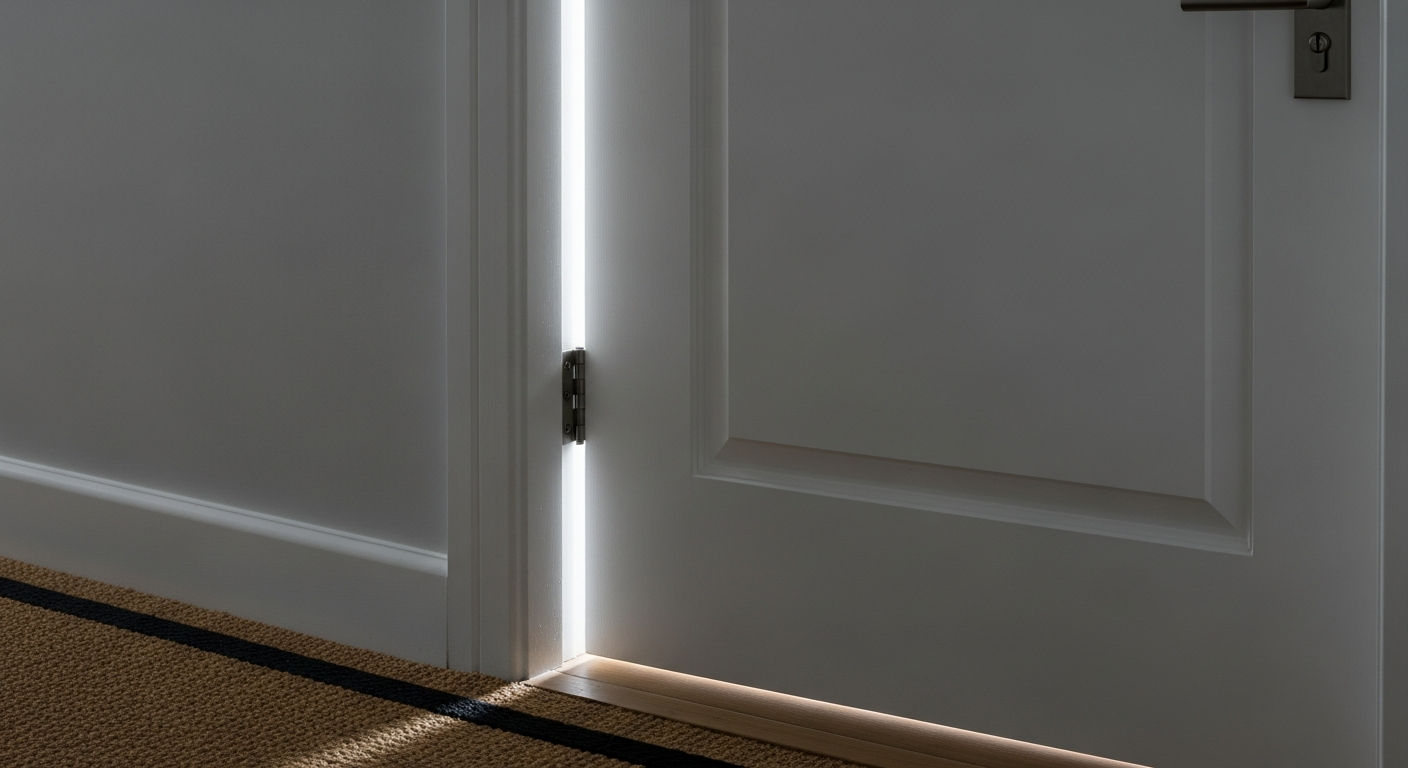
If the latch or bolt doesn’t engage cleanly with the keep (the metal plate on the frame), the strike plate needs moving. Close the door slowly and watch where the latch hits the plate — smear a little chalk or lipstick on the latch tip and close the door to leave a mark on the keep. If the mark is within 3 mm of the opening, file the keep slightly with a flat file. If the misalignment is greater, unscrew the strike plate, chisel out the recess to the new position, and refix with longer screws to bite into solid timber behind the frame. If your latch is the core problem rather than alignment, our fix a uPVC door latch guide covers multi-point latch faults in detail.
Replace a Faulty Latch Unit
If the latch spring is broken or the bolt no longer springs back, the latch unit needs replacing. Unscrew the door handles on both sides and remove the through-spindle. Unscrew the latch faceplate from the door edge and slide the old unit out. Take it to a hardware shop to match the backset (distance from door edge to centre of cylinder hole — typically 44 mm or 57 mm) and the case size. Fit the new latch in reverse order, checking the angled face of the latch points in the direction the door closes. Test the handle action before refitting the handles fully.
Replace the Lock Cylinder
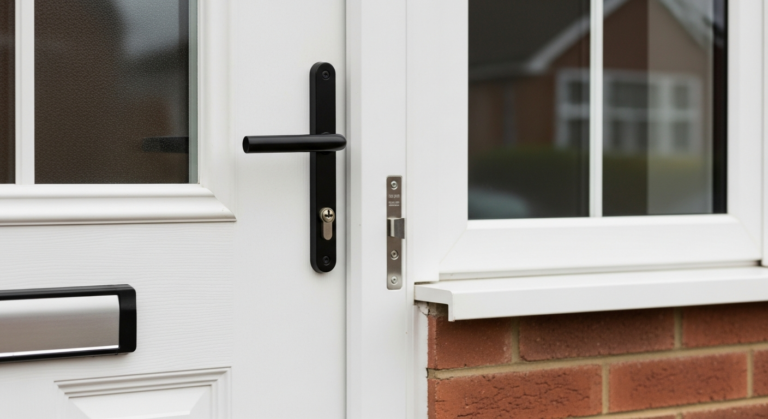
If the key turns with difficulty, the key is lost, or the cylinder has been damaged, replace it. On a euro-profile cylinder (standard on most modern doors), open the door and locate the single retaining screw on the lock faceplate on the door edge — remove it. Insert the key, turn it slightly to retract the cam, then slide the old cylinder straight out. Match the replacement cylinder to the exact same size (measure each side from the centre fixing hole). Slide the new cylinder in, replace the retaining screw, and test with the new key before closing the door. For related door security advice, the Doors & Windows Guide covers all lock types and maintenance.
Test the Lock Fully and Check Security
With any repair or replacement complete, test the lock from both sides of the door with the door open first, then closed. The latch should engage and retract smoothly; the deadbolt (if present) should shoot fully home and retract cleanly. Tighten all screws — loose fixings are the single most common cause of repeat lock failure. Check that door handles feel solid and that there is no play in the spindle. If the door frame itself is warped or the door has dropped on its hinges, the lock will continue to give problems — consider checking your fix a door that won’t close guide to rule out underlying frame issues.
Frequently Asked Questions
Why is my key hard to turn in the lock?
The most common causes are a dry or dirty cylinder, worn key, or a misaligned door putting pressure on the latch bolt. Try graphite powder first — if it doesn’t improve within a few attempts, the cylinder is likely worn and needs replacing.
Can I fix a door lock without replacing the whole unit?
In most cases, yes. Strike plate misalignment, dry mechanisms, and loose screws account for the majority of door lock faults and can all be fixed without replacing any lock components. Only replace parts when lubrication and adjustment have not resolved the problem.
How do I know if my euro cylinder needs replacing for security reasons?
If the cylinder protrudes more than 3 mm beyond the lock body on the outside of the door, it is vulnerable to snapping attacks. The Sold Secure scheme and guidance from Which? recommend fitting a snap-resistant, anti-bump cylinder as a minimum on external doors.
My latch won’t retract when I turn the handle — what’s wrong?
Either the spindle connecting the two handles has slipped out of the latch follower, or the latch spring has failed. Remove the handles and spindle, check the spindle seats correctly in the square follower hole in the latch case, and re-test. If the spring is broken, the latch unit needs replacing — it cannot be repaired. You can also check our hang a door guide if a recent door rehang may have disturbed the latch alignment.
Is fixing a door lock something a beginner can do?
Most common fixes — lubricating the cylinder, adjusting the strike plate, or swapping a euro cylinder — are straightforward beginner tasks requiring only a screwdriver. Replacing a full latch unit takes slightly more confidence but follows a simple remove-and-reverse process with no specialist skills required.
When repositioning a strike plate, use 75 mm woodscrews rather than the standard short fixings supplied — they reach past the thin door frame liner into the structural timber or masonry behind, giving a fixing that is genuinely secure rather than just cosmetically correct. A strike plate held by short screws into softwood casing can be kicked in with one blow.
Sources
- Which? — Door lock security advice and cylinder types — which.co.uk
- HSE — Workplace safety and maintenance of door hardware — hse.gov.uk
- GOV.UK — Security standards for rented homes — gov.uk
This guide is for general information only. Always work safely and follow manufacturer instructions. DIYnut accepts no liability for injury or damage arising from DIY work.