uPVC vs Composite Front Door
Doors & Windows › Doors & Windows
uPVC vs Composite Front Door
Choose the right front door material for your budget, style, and home.
uPVC front doors are cheaper and low-maintenance but less premium-looking. Composite doors cost more upfront yet offer superior insulation, security, and kerb appeal. For most UK homes, composite is the better long-term investment; uPVC suits tighter budgets well.

What Is a uPVC Front Door?
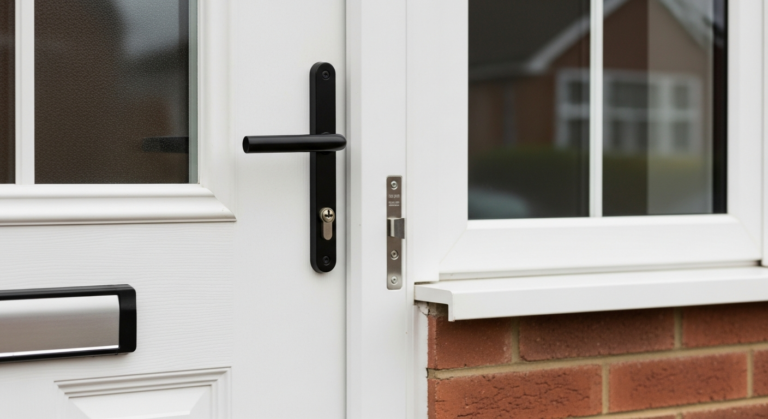
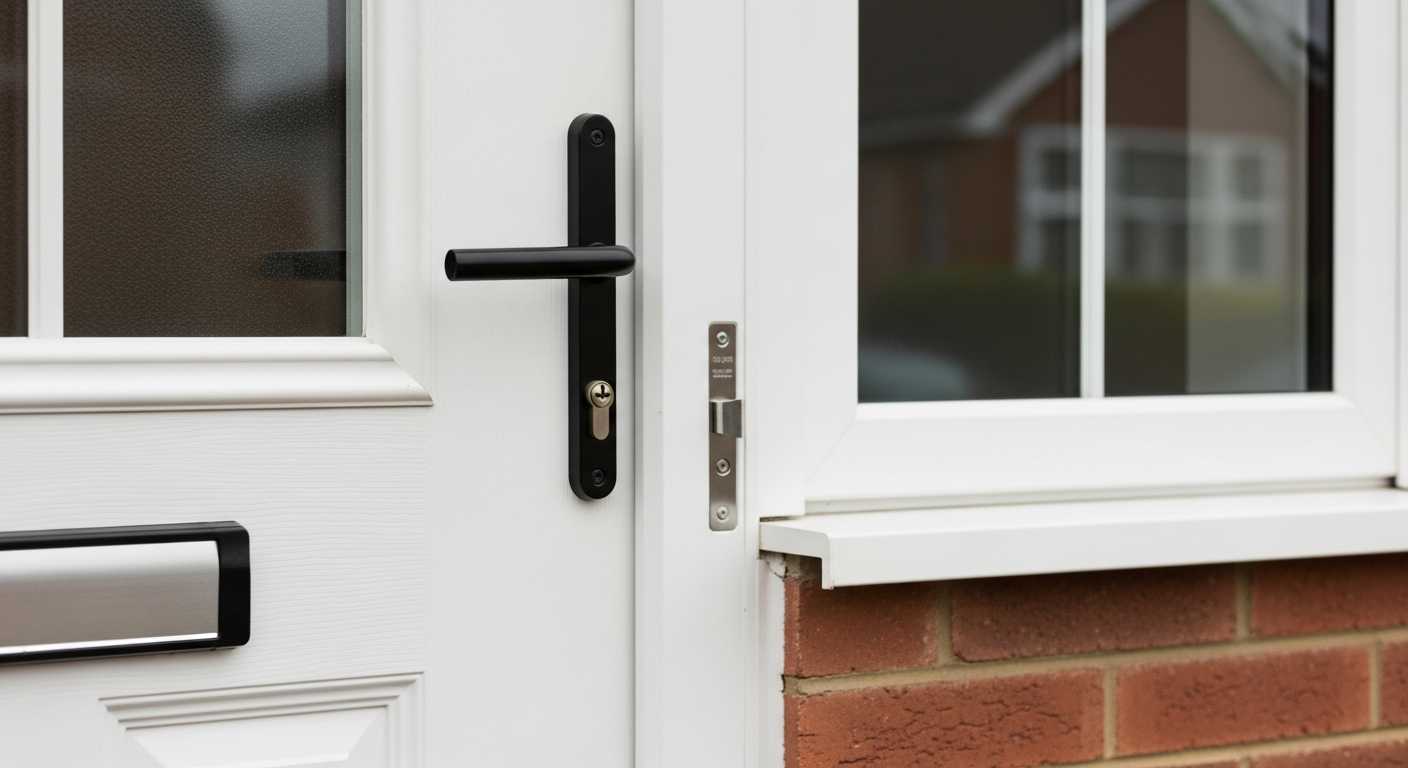
A uPVC (unplasticised polyvinyl chloride) front door is constructed from a hollow or foam-filled rigid plastic frame and panel. The material is extruded into profiles and welded at the corners, producing a lightweight, weatherproof door that requires no painting or staining. uPVC doors typically incorporate a steel reinforcement bar within the frame for rigidity, and are almost always fitted with a multi-point locking system. They are the most widely installed replacement front door type in the UK due to their low cost and minimal upkeep. If you are planning to install one yourself, see our guide on how to hang a door for the key steps involved.
What Is a Composite Front Door?
A composite front door is engineered from multiple materials bonded together — typically a timber or high-density foam (GRP) core, a glass-reinforced plastic (GRP) or steel outer skin, and a uPVC or timber frame. The layered construction gives composite doors their key advantages: high thermal performance, low flex under temperature changes, and a solid, timber-like appearance without the maintenance of real wood. The GRP skin is factory-moulded to replicate wood grain and can be painted in a wide range of colours. Composite doors are heavier than uPVC and usually require professional installation; our guide on hanging a door covers the general process, though composite fitting is best left to a qualified installer in most cases.
Side-by-Side Comparison
| Factor | uPVC | Composite |
|---|---|---|
| Cost (supply only) | £300–£800 | £700–£2,000+ |
| Durability | Good — can discolour and warp in extremes | Excellent — stable across temperature ranges |
| Appearance | Functional; limited woodgrain effect | Premium; convincing timber look, wide colour range |
| Install Difficulty | Moderate — lighter, easier to handle | Moderate–High — heavier, usually professional fit |
| Maintenance | Wipe clean; occasional hinge/lock adjustment | Wipe clean; GRP skin may need occasional re-painting after 10+ years |
| Lifespan | 20–35 years | 30–45+ years |
uPVC Front Door — Pros and Cons
Pros
- Lower upfront cost — typically £300–£800 for the door unit
- No painting, staining, or sealing required
- Lightweight and easier to handle during installation
- Multi-point locking as standard on most modern units
- Wide range of styles, colours, and glazing options
- Good thermal performance when foam-filled
Cons
- Can discolour yellow over years of UV exposure
- Less thermally stable — may warp slightly in extreme heat or cold, causing door closing problems
- Hollow profile feels less substantial than composite or timber
- Perceived as lower-end aesthetically — can affect property value
- Colour choices limited to foil wraps that can peel over time
Composite Front Door — Pros and Cons
Pros
- Excellent thermal insulation — typically higher U-values than uPVC equivalents
- Solid, premium feel with realistic timber-grain GRP skin
- Dimensionally stable — minimal warping across seasons
- Wide colour palette; both sides can be different colours
- Longer lifespan — 35–45+ years with normal care
- Strong security credentials — solid core resists drilling and forcing
Cons
- Higher upfront cost — £700–£2,000+ supply only
- Heavier weight makes DIY hanging more difficult
- GRP skin may eventually need repainting (typically after 10–15 years)
- Harder to source replacement glazing units if damaged
- If the door latch develops a fault, composite mechanisms can be more costly to replace
Which Is Better For…?
- Period or character properties (Victorian, Edwardian terraces): Composite wins — the GRP timber-grain finish is far more sympathetic to traditional streetscapes, and many conservation-area planners look more favourably on it than plain white uPVC.
- Tight budget or rental property: uPVC wins — lower outlay, negligible maintenance, and easily adjusted if it develops a sticking door problem over time.
- High-traffic family home: Composite wins — the solid core withstands repeated impact better than hollow uPVC panels, and the finish is more resistant to scuffs and marks.
- North-facing or exposed coastal position: Composite wins — GRP is inherently more resistant to sustained UV degradation and salt-laden air than standard uPVC foil wraps.
- New-build or modern housing estate: Either works well — uPVC is common and fits the aesthetic; composite adds a premium finish if budget allows and can improve re-sale appeal. Consider draught-proofing the door frame regardless of which material you choose.
UK Cost Comparison
Front doors are generally priced per unit rather than per m², as standard UK entrance doors fall within a narrow size range (typically around 2.1 m × 0.9 m). For supply only, uPVC front doors typically cost £300–£800 depending on specification, glazing, and finish. Composite front doors range from £700–£2,000+ for supply only, with highly specified or non-standard-sized units reaching beyond that. Installation by a professional window and door fitter adds roughly £200–£500 on top for either material, depending on the complexity of the frame situation and whether a new frame is required. These figures reflect typical UK market pricing as of early 2026; always obtain at least three quotes from qualified door installers before committing. Note that replacement door work is subject to Building Regulations in England, Scotland, and Wales — your installer must notify the relevant authority or use a FENSA/CERTASS-registered trader to self-certify.
Frequently Asked Questions
Is a composite front door worth the extra cost over uPVC?
For most UK homeowners, yes — composite doors offer better insulation, greater dimensional stability, a more premium appearance, and a longer lifespan that offsets the higher upfront cost over time. If budget is the primary constraint, a quality uPVC door remains a sound choice.
Do I need planning permission to replace my front door?
In most cases, no — replacing a front door is permitted development in England. However, if your property is in a conservation area or is listed, you will need to check with your local planning authority before proceeding, as restrictions on materials and appearance may apply.
Can I fit a uPVC or composite front door myself?
A competent DIYer can hang a uPVC door, but the work must comply with Building Regulations and be certified — use a FENSA or CERTASS-registered installer to self-certify, or notify your local authority’s building control department. Composite doors are heavier and are best professionally installed.
How long does a composite front door last?
A composite front door typically lasts 35–45 years or more with routine maintenance. The GRP skin may require repainting after 10–15 years depending on aspect and exposure, but the structural integrity of the door should remain sound well beyond that.
Why does my uPVC front door stick in summer but not winter?
uPVC expands in heat and contracts in cold — this thermal movement is normal but can cause the door to bind against the frame in warm weather. Adjusting the multi-point lock keeps and hinges usually resolves the issue; see our guide on how to adjust a uPVC door for step-by-step instructions.
When fitting either door type into an existing frame, check the frame for square with a digital level before ordering — a frame that is more than 3 mm out of square across the diagonal will cause locking and sealing problems regardless of door quality. Many door failures attributed to the product are actually frame alignment issues.
Sources
- Which? — Front doors: buying guide and costs — which.co.uk
- GOV.UK — Building Regulations: replacement windows and doors — gov.uk
- Checkatrade — Cost of a new front door in the UK — checkatrade.com
This guide is for general information only. Always work safely and follow manufacturer instructions. DIYnut accepts no liability for injury or damage arising from DIY work.