Cost of Block Paving
Driveways & External › Driveways & External
Cost of Block Paving
Know what to budget before a single block is laid.
Block paving a standard driveway costs £3,000–£8,000 when professionally installed. DIY brings this down considerably, though it demands significant groundwork skill. Material alone runs £25–£60 per square metre depending on block type and pattern chosen.

What Affects the Cost
Area size: The most significant cost driver is simply how many square metres need covering. A single-car driveway is typically 20–30 m², while a double is 40–60 m². Every additional square metre adds both materials and labour time, so accurately measuring before getting quotes is essential. See the Driveways & External Guide for full planning advice.
Block type and quality: Standard concrete blocks are the cheapest option at around £15–£25 per m² for materials. Clay pavers sit in the mid-range at £25–£45 per m², while natural stone or premium tumbled blocks can exceed £60 per m². The choice affects both upfront cost and long-term maintenance.
Pattern complexity: A simple running bond or stretcher pattern requires less cutting and fitting time than herringbone or basketweave. Complex patterns increase labour hours and waste, which raises overall cost. Herringbone is, however, the most stable pattern for driveways carrying vehicle weight.
Sub-base depth and condition: If the existing ground is soft, heavily compacted, or previously poorly drained, a deeper or reinforced sub-base is needed. This means more Type 1 MOT aggregate, more excavation, and more skip hire — all of which add meaningfully to the final bill. Poor drainage is a frequent hidden cost.
Edging and kerbing: Solid edging restraints must be laid on a concrete haunch to hold the block field in place. The linear metres of edging required, and whether decorative kerb blocks are chosen over plain soldier courses, affects both materials and time on site.
Access and groundwork challenges: Sloped driveways, limited vehicle access for machinery, or the need to divert drainage runs will all increase the quoted price. Skips and mini-diggers incur daily or weekly hire charges that add up quickly on awkward sites.
UK Average Cost Breakdown
| Task | DIY Cost | Trade Cost | Notes |
|---|---|---|---|
| Excavation & disposal (single car, ~25 m²) | £200–£400 | £400–£800 | Skip hire plus mini-digger if required |
| Type 1 MOT sub-base (25 m²) | £150–£300 | £300–£500 | Minimum 100 mm depth for driveways |
| Concrete edging haunches | £80–£150 | £200–£400 | Essential to prevent spread |
| Standard concrete blocks — materials (25 m²) | £375–£625 | £375–£625 | Same material cost; trade may get volume discount |
| Clay paver blocks — materials (25 m²) | £625–£1,125 | £625–£1,125 | Better colour retention over time |
| Kiln-dried jointing sand | £30–£60 | £30–£60 | Brushed in after plate compaction |
| Labour — full installation (25 m²) | N/A | £1,500–£3,000 | Typically 2–3 days for a crew of two |
| Plate compactor hire (per day) | £50–£80 | Included in trade quote | DIY must hire; essential for sub-base and finish |
| Total estimate — single car driveway (25 m²) | £900–£1,700 | £3,000–£5,500 | Trade cost rises for double driveways or complex patterns |
DIY vs Tradesman — Is It Worth It?
Block paving is physically demanding and technically unforgiving. The groundwork stage — excavation to the correct depth, a well-compacted and level sub-base, and properly haunched edging — determines whether the finished surface lasts 20 years or starts rocking within two. Get the sub-base wrong and no amount of careful block-laying will save the result.
That said, the labour saving for a competent DIYer is substantial — typically £1,500–£3,500 on a standard single driveway. If you have access to a hired plate compactor, a decent angle grinder or block splitter for cutting, and a week of free time, the job is achievable. The learning curve is steep for the first day or two, but block-laying itself — once the edging is in and the sharp sand screed is level — becomes methodical. A herringbone pattern is harder to set out than a stretcher bond but is worth the effort for vehicle traffic areas.
Where DIY becomes inadvisable: sloped drives requiring falls management, sites with drainage implications, or driveways over 40 m² where consistent sub-base compaction becomes harder to guarantee without professional equipment. For those projects, a qualified paving contractor will produce a more durable result. If you’re weighing up alternatives, comparing costs against laying a concrete path may help clarify which approach suits your budget and skill level.
Regional Price Variations
Trade labour rates for block paving in Greater London and the South East typically run 20–35% higher than the national average, reflecting higher contractor overheads and demand. Expect trade quotes for a standard single driveway to start from around £4,500 in London, compared to £3,000–£3,500 in the Midlands, North of England, Wales, or Scotland. Material costs are broadly consistent across the UK, though delivery charges in rural areas can add £50–£150 depending on access. Northern Ireland and the Scottish Highlands may incur additional haulage surcharges on bulk aggregate deliveries.
How to Get the Best Price
- Get at least three written quotes from local contractors and compare them line by line — not just the headline figure. Verify each contractor is registered with a trade body such as Marshalls Register or the British Association of Landscape Industries (BALI).
- Book in late autumn or early spring when paving contractors have quieter order books. Summer is peak season; you will pay more and wait longer.
- If going DIY, buy blocks in full packs rather than loose to avoid premium loose pricing and reduce the risk of colour-batch variation across the driveway.
- Factor in kerb-to-kerb measurement when calculating material quantities — most suppliers recommend ordering 10% extra for cuts and waste, but complex herringbone patterns may need 15%.
- Ask your contractor whether they will credit you for any leftover blocks or aggregate — some do, others won’t, and knowing upfront avoids disputes at sign-off.
What a Good Quote Should Include
- Excavation depth specified (typically 200–250 mm for a vehicle driveway) and confirmation of where excavated material will be disposed of.
- Sub-base specification — type of aggregate, compacted depth, and whether a weed membrane will be laid beneath it.
- Block type, size, colour, and laying pattern explicitly named, not just described vaguely as ‘standard blocks’.
- Edging and kerbing details — material type, haunching method, and whether a dropped kerb or channel drain is included.
- Completion finish — kiln-dried sand, plate compaction of finished surface, and any sealing if agreed. Also confirm whether existing drainage connections are included or charged separately.
Hidden Costs to Watch For
- Dropped kerb / vehicle crossing permit: If your driveway requires a new or modified dropped kerb from the highway, your local council must carry out or approve this work. Costs vary by authority but typically range from £800 to £2,000 and are not included in paving quotes.
- Drainage requirements: Permitted development rules in England require that driveways over 5 m² use permeable surfaces or drain water to a lawn or border — not the public drain. If your design uses impermeable blocks, planning permission may be needed. Check current guidance on driveway planning rules before committing to a design. Non-compliance can result in enforcement action.
- Tree roots and soft spots: Mature trees near a driveway footprint can create significant groundwork complications. Root removal or diversion and additional compaction can add £300–£1,000 to the job, and is often only discovered once excavation begins.
- Re-jointing after settlement: Kiln-dried sand washes out over time and joints need topping up every few years. Pointing a block paved driveway is a manageable DIY task but is an ongoing maintenance cost not reflected in the initial installation quote.
Frequently Asked Questions
How much does block paving cost per square metre in the UK?
Installed trade costs typically run £80–£150 per m² including sub-base, labour, and materials. DIY material-only costs are £25–£60 per m² depending on block type, excluding groundwork plant hire.
Do I need planning permission to block pave my driveway?
In England, you do not need planning permission if the surface is permeable or if run-off drains to a lawn or border rather than the public sewer. Impermeable block paving over 5 m² fronting a highway does require permission. Rules differ slightly in Wales, Scotland, and Northern Ireland — check with your local planning authority.
How long does block paving last?
A well-laid block paved driveway with a proper sub-base can last 20–30 years or more. Individual blocks can be lifted and replaced if damaged, which is a significant advantage over tarmac or concrete surfaces.
What is the best block paving pattern for a driveway?
Herringbone at 45° or 90° to the direction of traffic is the most structurally stable pattern for driveways because blocks interlock under load. It requires more cutting at edges but resists creep and rutting better than stretcher or basketweave patterns.
How do I maintain block paving once it’s laid?
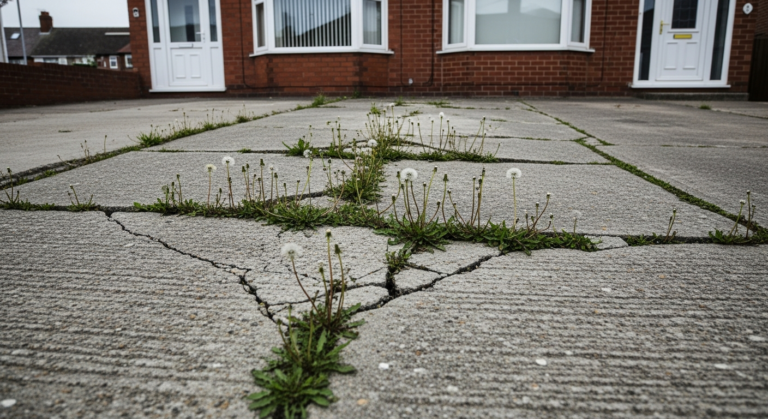
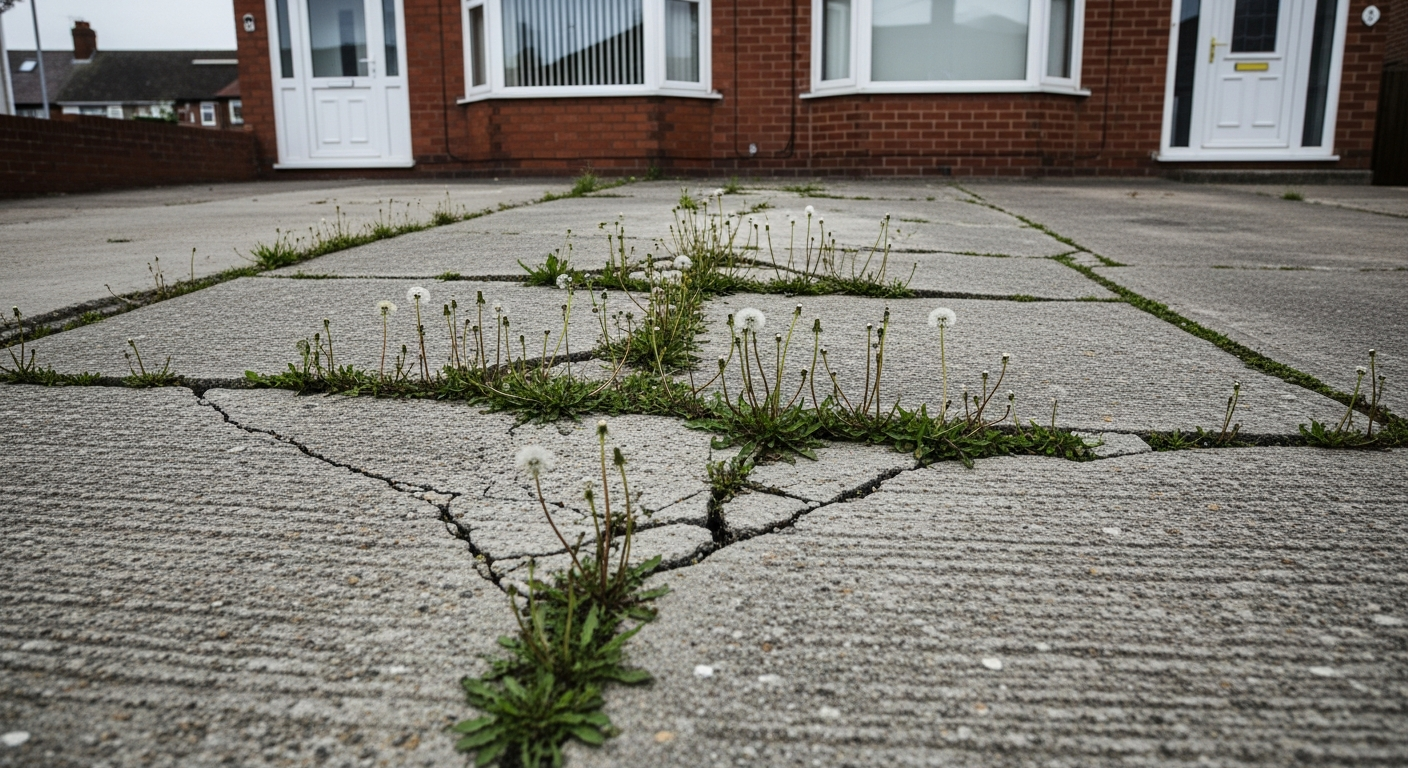
Brush in fresh kiln-dried jointing sand every two to three years as it washes out. Remove weeds promptly to prevent root damage and consider a block paving sealant every five years to resist oil stains and frost. Avoid high-pressure washing that erodes joints.
When laying the sharp sand screed prior to placing blocks, do not compact it — it should remain loose so you can strike it to a precise level with a screed rail. Compacting it beforehand prevents the blocks from bedding in correctly when the plate compactor goes over the finished surface, and you’ll end up with an uneven result that’s very difficult to correct after jointing sand is in.
Sources
- Which? — Driveway cost guide — which.co.uk
- Checkatrade — Block paving cost guide UK — checkatrade.com
- GOV.UK — Paving your front garden (planning rules) — gov.uk
This guide is for general information only. Always work safely and follow manufacturer instructions. DIYnut accepts no liability for injury or damage arising from DIY work.