Cost of a New Driveway
Driveways & External › Driveways & External
Cost of a New Driveway
Know what to budget before a single slab is laid.
A new driveway in the UK typically costs £1,500–£8,000 installed, depending on size and material. Gravel is cheapest, block paving the most expensive. DIY gravel driveways can cost as little as £400–£800 in materials alone.

What Affects the Cost
Driveway size: The single biggest cost driver is square meterage. A single-car driveway (roughly 20–25 m²) costs considerably less than a double (40–50 m²). Every extra square metre adds material and labour cost, so measure accurately before requesting quotes.
Surface material: Gravel is the most affordable option, followed by tarmac, then concrete, then block paving or resin-bound aggregate at the top end. Each material has a different per-m² cost for both supply and installation. See our Driveways & External Guide for a full material comparison.
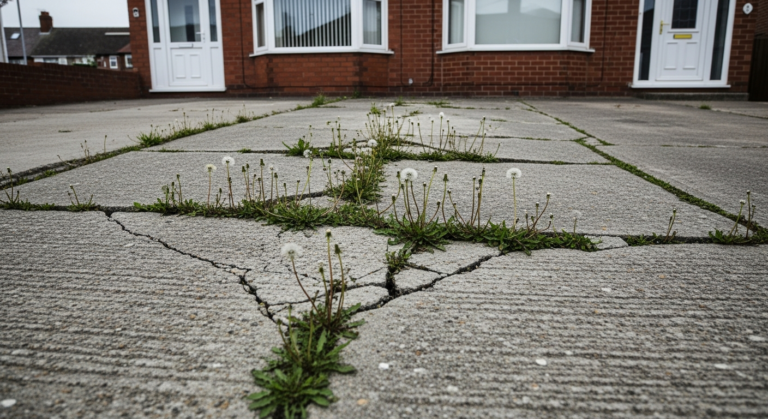
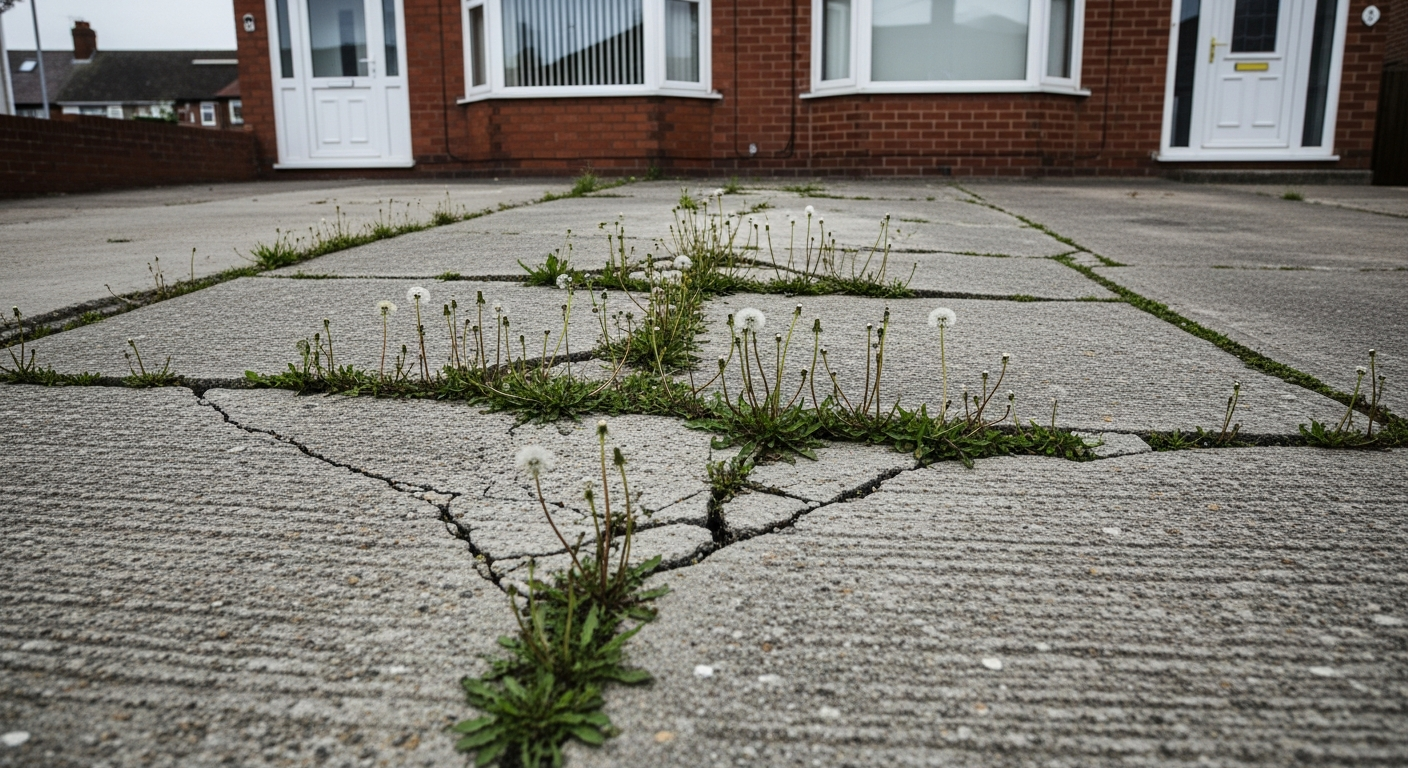
Groundwork and excavation: If the existing surface must be broken up and removed, skip hire and additional labour push costs up sharply. On sloping or waterlogged ground, extra sub-base preparation — typically 100–150 mm of compacted MOT Type 1 — adds further expense.
Planning permission and permitted development: Driveways over 5 m² using non-permeable materials on the front of a property may require planning permission under the Town and Country Planning Act. Using a permeable surface (gravel, permeable block paving, resin) generally avoids this requirement. Check with your local planning authority via gov.uk planning guidance before work begins.
Drainage: If surface water cannot drain naturally into the garden, you may need a soakaway or connection to an existing drainage channel. A basic soakaway adds £200–£600 to the project, while connecting to a drain system can cost more.
Access and location: Restricted access — narrow entrances, overhead cables, or a site that prevents a skip lorry or cement mixer from getting close — increases labour time and cost. Urban locations with permit-to-dig requirements around utility services also add time and administration.
UK Average Cost Breakdown
| Task / Material | DIY Cost (materials only) | Trade Cost (supply & fit) | Notes |
|---|---|---|---|
| Gravel driveway (single car, ~25 m²) | £400–£700 | £1,000–£2,000 | Includes membrane and edging. Most DIY-friendly option. |
| Tarmac driveway (single car, ~25 m²) | Not practical DIY | £1,500–£3,000 | Requires specialist plant. Hire a reputable contractor. |
| Concrete driveway (single car, ~25 m²) | £600–£1,200 | £2,000–£4,500 | Formwork, ready-mix and curing add complexity. See Lay a Concrete Path. |
| Block paving (single car, ~25 m²) | £900–£1,800 | £2,500–£5,500 | Labour-intensive. High DIY potential if groundwork is solid. |
| Resin-bound driveway (single car, ~25 m²) | £700–£1,400 | £2,500–£5,000 | Permeable; avoids planning issues. UV-stable resin essential. |
| Excavation & sub-base preparation | £150–£400 (skip hire) | £300–£900 | Often quoted separately. Always needed for a durable finish. |
| Dropped kerb (council application) | £0 (DIY not permitted) | £800–£2,000 | Must be done by the highway authority or their approved contractor. |
| Drainage / soakaway | £80–£250 | £300–£700 | Required where water cannot drain to garden. Check Building Regs Part H. |
DIY vs Tradesman — Is It Worth It?
For gravel and block paving driveways, a competent DIYer can achieve results comparable to a trade finish — provided the sub-base is properly prepared. Skimping on groundwork is the most common reason DIY driveways fail within a few years. Budget realistic time: a 25 m² block-paved driveway typically takes two people a full weekend to lay, not counting excavation.
Tarmac is not a realistic DIY option. It requires a roller, specialist plant, and hot or cold-lay materials that are difficult to handle correctly without experience. Concrete falls in the middle — laying formwork and ordering ready-mix is manageable for an experienced DIYer, but large pours require a helper and careful timing to avoid cold joints. For guidance on working with concrete on external surfaces, see our guide to Lay a Concrete Path.
Resin-bound surfaces require a clean, crack-free base and careful mixing ratios — the margin for error is low. DIY resin kits exist, but adhesion failures are common if humidity is high or the base is not primed correctly.
In short: DIY saves the most money on gravel and block paving. For tarmac, concrete (large areas), and resin, a trade contractor is usually better value when you factor in the cost of plant hire, material waste, and remedial work.
Regional Price Variations
Labour rates vary significantly across the UK. In London and the South East, expect to pay 20–40% more for the same job than in the North of England, Wales, or Scotland. A block-paved single driveway quoted at £3,000 in Yorkshire may cost £4,200 or more in Greater London. Material costs are broadly similar nationwide, so the gap is almost entirely in day rates. If you live in a higher-cost region, getting three independent quotes is especially important — rates between contractors can vary by £500 or more for the same specification.
How to Get the Best Price
- Get at least three written quotes — specify the same surface material, area, and finish so quotes are directly comparable. Verbal estimates are not binding.
- Book in late winter or early spring — demand for driveway contractors peaks from May to September. Booking off-peak (January–March) can reduce labour costs or improve availability for reputable firms.
- Supply your own materials where possible — some contractors will fit materials you supply. This works well for block paving or gravel if you can source competitively and arrange delivery.
- Combine jobs — if you also need a patio laid or garden walls built, bundling the work with one contractor often reduces the day rate.
- Check for VAT — smaller sole-trader contractors may not be VAT-registered, which can mean a lower total price. Confirm whether quotes include or exclude VAT before comparing.
What a Good Quote Should Include
- Exact area in square metres and the surface material specified (e.g. 50 mm concrete block paving on 150 mm MOT Type 1 sub-base)
- Excavation depth, spoil removal method, and skip hire costs — these are often added as extras by less transparent contractors
- How surface water will be managed: drainage direction, channel drain specification, or soakaway detail
- Start date, estimated duration, and any penalty clause if the contractor fails to begin on time
- Payment terms in writing — a deposit of more than 25% upfront is a warning sign; avoid paying in full before completion
Hidden Costs to Watch For
- Dropped kerb not included: If your property does not already have a dropped kerb, you cannot legally drive over the pavement edge. A dropped kerb application through your local council costs £800–£2,000 and can take several weeks to approve — this is often omitted from initial quotes.
- Unexpected sub-base depth: If the ground beneath is soft, contaminated, or contains old rubble, the contractor may need to excavate deeper or import extra hardcore. Agree a day-rate cap in writing for any unforeseen groundwork before work starts.
- Tree root removal: Roots from nearby trees can crack new surfaces within a few years if not removed or root-barriered. Removal and root barrier installation is rarely included in a standard quote but can add £200–£600.
- Planning permission fees: If your chosen material is non-permeable and the drive fronts a public road, permitted development rights do not apply. A householder planning application currently costs £258 in England. Factor this in if opting for standard tarmac or concrete.
Frequently Asked Questions
Do I need planning permission for a new driveway in the UK?
Not usually. If you use a permeable surface (such as gravel, permeable block paving, or resin-bound aggregate) you can generally proceed under permitted development rights. Non-permeable surfaces over 5 m² fronting a public road require a householder planning application — currently £258 in England. Always check with your local planning authority first.
What is the cheapest type of driveway in the UK?
Gravel is the cheapest option for both DIY and trade installation. A single-car gravel driveway can cost as little as £1,000–£2,000 fully installed, compared to £2,500–£5,500 for block paving. It is also the most DIY-friendly material.
How long does a new driveway take to install?
A single-car gravel driveway typically takes one to two days. Block paving takes two to four days depending on the pattern and groundwork required. Tarmac can often be completed in one day once the sub-base is prepared. Concrete requires additional curing time before it can be driven on — usually five to seven days.
Can I lay a driveway myself to save money?
Yes, for gravel and block paving. Both are achievable for a competent DIYer with the right tools and careful sub-base preparation. Tarmac requires specialist equipment and is not practical as a DIY project. Always ensure excavation is deep enough — typically 150–200 mm for a driven surface — to avoid early settlement.
How do I maintain a new driveway to make it last?
Gravel driveways benefit from periodic raking and topping up; edging restraints help contain spread. Tarmac should be resealed every few years to prevent cracking. Block paving may need re-sanding and re-pointing over time. Resin-bound surfaces should be swept regularly and kept clear of standing water to preserve the bond.
When specifying block paving, insist on a minimum 150 mm compacted Type 1 sub-base rather than the 100 mm some contractors quote for cost savings — the extra depth is what prevents rutting under vehicle weight within the first two winters. Ask to see the sub-base depth before the blocks are laid, not after.
Sources
- Which? — Driveway costs: how much does a new driveway cost? — which.co.uk
- GOV.UK — Guidance: hard surfaces in your garden (planning permission) — gov.uk
- Checkatrade — How much does a new driveway cost in 2024? — checkatrade.com
This guide is for general information only. Always work safely and follow manufacturer instructions. DIYnut accepts no liability for injury or damage arising from DIY work.