Install a Resin Driveway: Trade vs DIY
Driveways & External › Driveways & External
Install a Resin Driveway: Trade vs DIY
Find out whether a resin driveway is worth tackling yourself or best left to a pro.
Installing a resin driveway is DIY-able on a small area with the right equipment, but large or complex driveways benefit from professional installation. Drainage compliance (SuDS rules) applies regardless of who does the work. Budget £30–£50 per m² for DIY versus £60–£120 per m² for a contractor.

The DIY Option
Installing a resin-bound or resin-bonded driveway yourself is achievable on small areas (up to roughly 20–30 m²) if you have a solid, level base and are prepared to work quickly — resin typically has a pot life of around 25 minutes, so there is no room for hesitation. You will need a forced-action mixer (not a standard drum mixer), a squeegee, trowels, and safety PPE including nitrile gloves and eye protection. Resin kits are available from builders’ merchants and online suppliers in 25 kg units; you will also need aggregate sized 1–3 mm or 2–5 mm depending on your chosen system. Expect to pay £30–£50 per m² for materials, though this rises if the existing base needs repair — see our guide on how to lay a concrete path if you need to form or repair the sub-base first. Key risks include: cold or wet weather causing a cloudy, poor-quality finish; an uneven sub-base leading to pooling; using a drum mixer that introduces air bubbles; and not achieving a consistent spread thickness (usually 15–18 mm for resin-bound). Resin-bound systems are fully permeable and generally satisfy Sustainable Drainage (SuDS) requirements without planning permission for front driveways in England, but you should confirm this with your local planning authority before starting. Allow a full weekend for a standard single-car driveway, plus 24 hours curing time before light foot traffic and 72 hours before vehicles.
The Trade Option
A professional resin driveway installer will assess and prepare the sub-base (concrete or tarmac are the preferred bases), repair any defects — if your existing surface has issues, they may address problems similar to those covered in our repair tarmac cracks guide — then mix and apply the resin-aggregate blend using a forced-action mixer and lay it to a consistent depth across the whole area in a single operation. Many installers are members of the Resin Bound Paving Association (RBPA) or similar trade bodies, which provides some assurance of quality. Typical trade costs run from £60–£120 per m² for a standard resin-bound finish, depending on area size, access, sub-base condition, and aggregate type chosen. A standard double driveway (around 45–50 m²) therefore costs roughly £2,700–£6,000 fully installed. To find a reputable installer, use Checkatrade, Trustatrader, or ask for RBPA-registered contractors; always obtain at least three written quotes. A good installer will also handle any necessary drainage channels and advise on planning permission where it applies.
Side-by-Side Comparison
| Factor | DIY | Trade |
|---|---|---|
| Cost | £30–£50 per m² (materials only) | £60–£120 per m² (fully installed) |
| Time | Full weekend + 72 hrs curing | 1–2 days on site; 72 hrs curing |
| Skill Required | Intermediate–advanced; fast working essential | Specialist; experience with forced-action mixing |
| Risk Level | Medium–high (cosmetic failures likely if rushed) | Low (professional carries liability) |
| End Quality | Good on small areas with correct equipment | Consistent, high-quality finish across all sizes |
| Legal Requirements | SuDS / permitted development rules apply; check with local planning authority | Reputable contractor will manage compliance; confirm drainage requirements in writing |
When DIY Makes Sense
- The area is small (up to around 25–30 m²) and you can complete the pour in a single session before the resin cures.
- You have — or can hire — a forced-action mixer, and you are confident working to tight time constraints without interruption.
- The existing sub-base is sound, level, and dry: a solid concrete or tarmac base with no significant cracks or movement.
- You want to save substantially on labour costs and are willing to accept that a first-time installation may not match the finish of an experienced professional.
When You Must Use a Tradesman
- The driveway exceeds 30 m² — larger areas require multiple operators working simultaneously to avoid visible join lines, which is impractical for a sole DIYer.
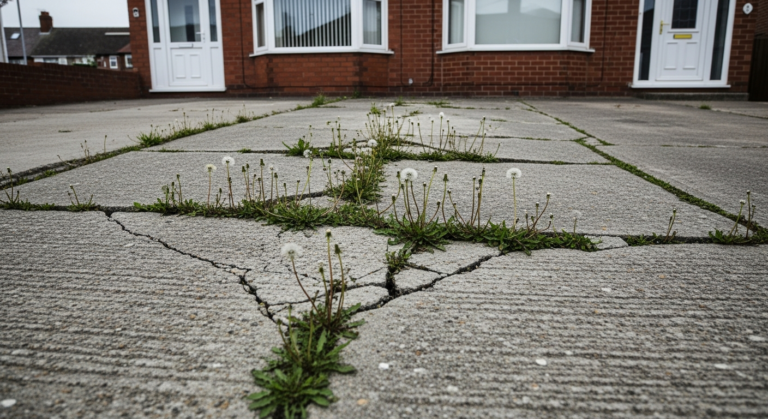
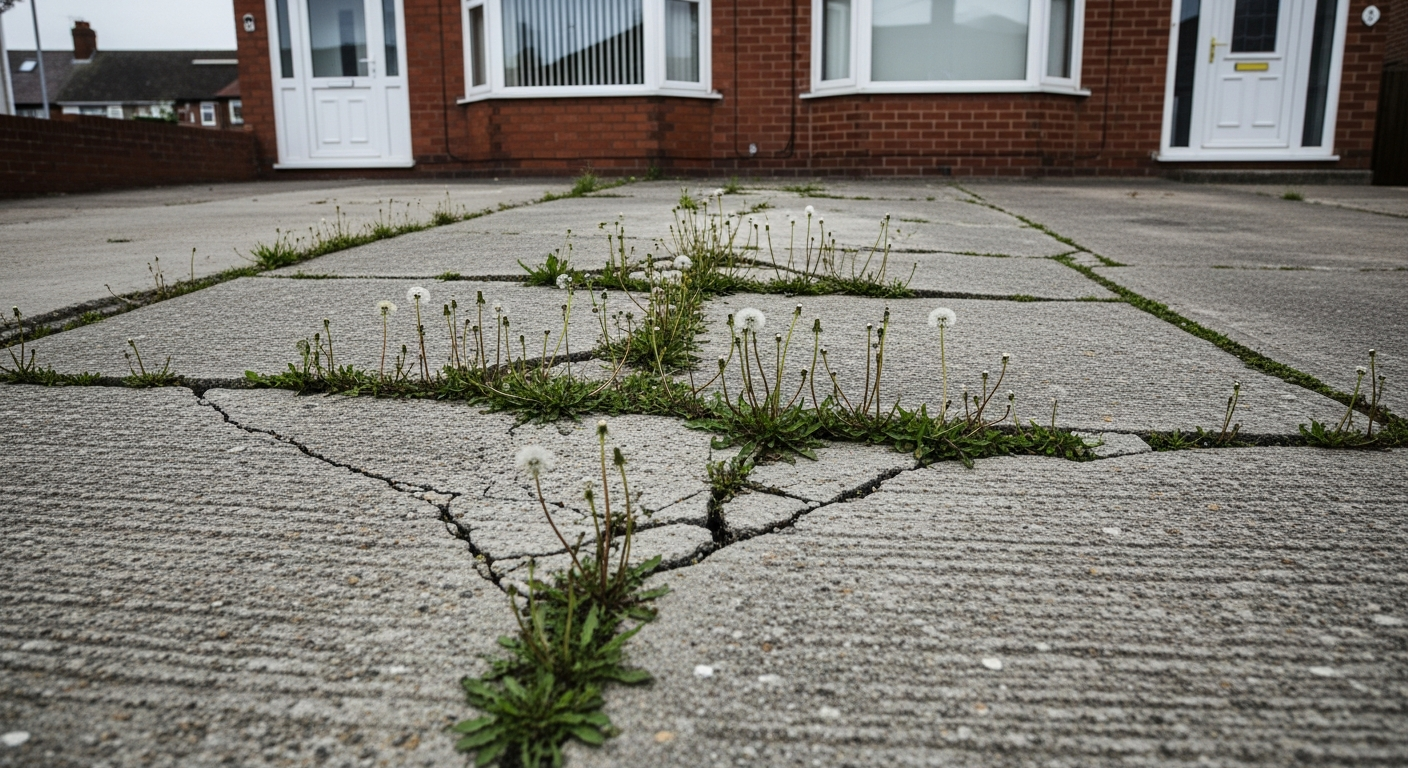
- The sub-base is in poor condition, uneven, or over bare soil: inadequate preparation is the leading cause of resin driveway failure and a professional will assess and correct this properly.
- Your property is in a Conservation Area or Article 4 direction applies — a professional installer familiar with local planning rules will help ensure your project remains within permitted development limits.
- You need a drainage channel or soakaway installed alongside the driveway; groundworks of this nature carry a higher risk of error and may interact with existing drainage infrastructure regulated under building regulations.
- You want a guarantee or warranty on the finished surface — reputable installers typically offer a written workmanship guarantee that a DIY install cannot replicate.
If You DIY — Where to Start
Before buying any resin or aggregate, assess your existing base thoroughly. If you have crumbling or cracked surfaces to deal with first, work through any necessary concrete or tarmac repairs — our Driveways & External Guide covers the full sequence of preparatory tasks. If you are starting from a bare area and need to form a base, review our guide to laying a concrete path for sub-base principles that apply equally to driveways. Once your base is solid, dry, and free of oil contamination — see how to remove oil stains from a driveway before you start — calculate your aggregate and resin quantities accurately (suppliers’ coverage charts are a reliable guide), hire the correct mixer, and plan your pour so it finishes in a single continuous operation. Full step-by-step installation instructions are covered in our dedicated how-to guide for installing a resin driveway.
Frequently Asked Questions
Do I need planning permission to install a resin driveway in England?
In England, a permeable resin-bound driveway on a front garden generally falls within permitted development and does not require planning permission, provided it drains to the ground and meets other permitted development criteria. You should confirm the position with your local planning authority before work starts, particularly if you are in a Conservation Area.
What is the difference between resin-bound and resin-bonded?
Resin-bound systems mix aggregate and resin together before laying, producing a smooth, fully permeable surface. Resin-bonded systems apply resin to the base first, then scatter aggregate on top, giving a textured finish but one that is not fully permeable and can shed loose stones over time.
How long does a resin driveway last?
A well-installed resin-bound driveway on a sound sub-base typically lasts 15–25 years. Longevity depends heavily on sub-base quality, correct installation depth, and UV-stable resin being used; cheaper systems may discolour or become brittle within a few years.
Can I install resin over an existing tarmac or concrete driveway?
Yes, provided the existing surface is structurally sound, level, and free of cracks, movement, or contamination. Any defects must be repaired before application, as resin will telegraph movement or unevenness from below. A contaminated surface will prevent proper adhesion.
What temperature do I need to install a resin driveway?
Most resin systems require an air and surface temperature of at least 5°C and rising, with no rain forecast during application and curing. Cold temperatures extend pot life but increase the risk of a cloudy or poorly cured finish; very warm conditions shorten pot life significantly and require faster working.
Professionals often apply a clear primer coat to the sub-base before laying resin-bound aggregate — this significantly improves adhesion on porous concrete and reduces the risk of delamination, yet it is a step many DIY guides omit entirely. If your base is porous or has been acid-etched, a primer is worth the extra cost.
Sources
- Which? — Resin driveways: costs, types and how to find an installer — which.co.uk
- GOV.UK — Paving your front garden (permitted development and drainage guidance) — gov.uk
- Checkatrade — How much does a resin driveway cost? — checkatrade.com
This guide is for general information only. Always work safely and follow manufacturer instructions. DIYnut accepts no liability for injury or damage arising from DIY work.