Carpet vs Hardwood Flooring
Carpet vs hardwood flooring comes down to comfort versus durability. Carpet costs less upfront and suits bedrooms, but hardwood lasts decades, adds property value, and suits high-traffic areas. For most UK homes, hardwood wins long-term but carpet remains the warmer, quieter option.

What Is Carpet?
Carpet is a soft textile floor covering made from woven or tufted fibres — most commonly wool, nylon, or polypropylene — stretched over a foam or rubber underlay and fixed to the subfloor using gripper rods around the room perimeter. It is available in broadloom rolls (typically 4 m or 5 m wide) or as carpet tiles, and comes in a wide range of pile types including twist, loop, and saxony. Carpet is predominantly used in bedrooms, living rooms, and on staircases in UK homes. For a full overview of flooring options, visit the Flooring Guide.
What Is Hardwood Flooring?
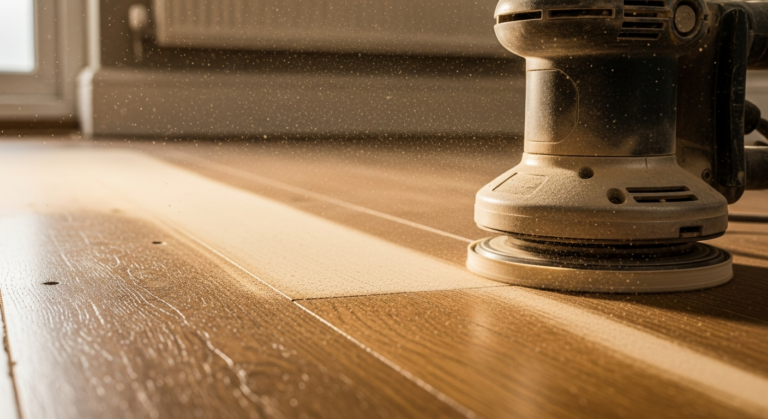
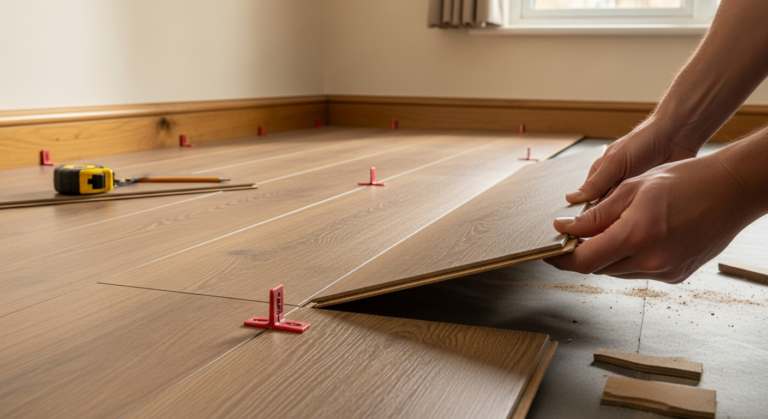
Hardwood flooring consists of planks milled from a single species of timber — such as oak, ash, or walnut — and is available either as solid hardwood (typically 18–22 mm thick) or engineered hardwood (a real wood veneer bonded over a plywood core). Solid boards can be nailed, glued, or secret-nailed to a timber subfloor; engineered boards can also be floated. Both types can be sanded and refinished multiple times during their lifespan. For step-by-step fitting instructions, see How to Lay Hardwood Flooring. When fitting hardwood to an existing room, you may also need to remove skirting boards without damage before installation.
Side-by-Side Comparison
| Factor | Carpet | Hardwood |
|---|---|---|
| Cost per m² | £8–£40 (material only) | £40–£120+ (material only) |
| Durability | Moderate — prone to staining, crushing, and wear in high-traffic areas | High — resists heavy foot traffic; surface can be refinished |
| Appearance | Wide colour and texture range; can look dated over time | Timeless, premium aesthetic; improves with age |
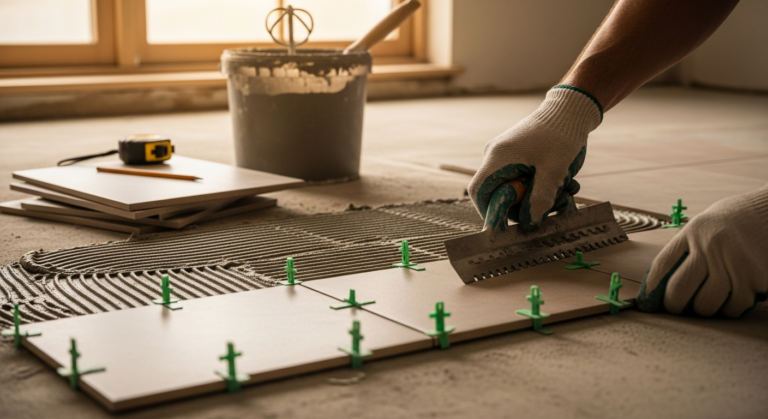
| Install Difficulty | Moderate — requires stretching tools and gripper fitting; DIY is achievable | Moderate to high — solid boards require nailing or gluing; engineered boards can be floated |
| Maintenance | Regular vacuuming; professional deep clean every 12–18 months recommended | Sweep and damp mop; refinish surface every 7–15 years depending on wear |
| Lifespan | 8–15 years (typical UK household) | 25–100+ years with proper maintenance |
Carpet — Pros and Cons
- Lower upfront cost — budget options start from around £8 per m², making it accessible for most rooms.
- Thermal insulation — retains heat effectively, helping reduce energy loss through floors.
- Sound absorption — reduces impact noise between floors, particularly useful in flats and semi-detached homes.
- Comfort underfoot — softer and warmer than hard flooring, especially in bedrooms.
- Safer for children and older adults — cushions falls and is less slippery than hard surfaces.
- Shorter lifespan — needs replacing every 8–15 years in typical use.
- Harder to keep hygienic — traps dust, pet dander, and allergens; problematic for allergy sufferers.
- Stain vulnerability — spills can permanently mark fibres if not treated promptly.
- Not suitable for wet areas — unsuitable for kitchens, bathrooms, or utility rooms.
- Adds no resale value — buyers often budget to replace carpet rather than viewing it as an asset.
Hardwood Flooring — Pros and Cons
- Exceptional longevity — solid hardwood floors can last the lifetime of a building when properly maintained.
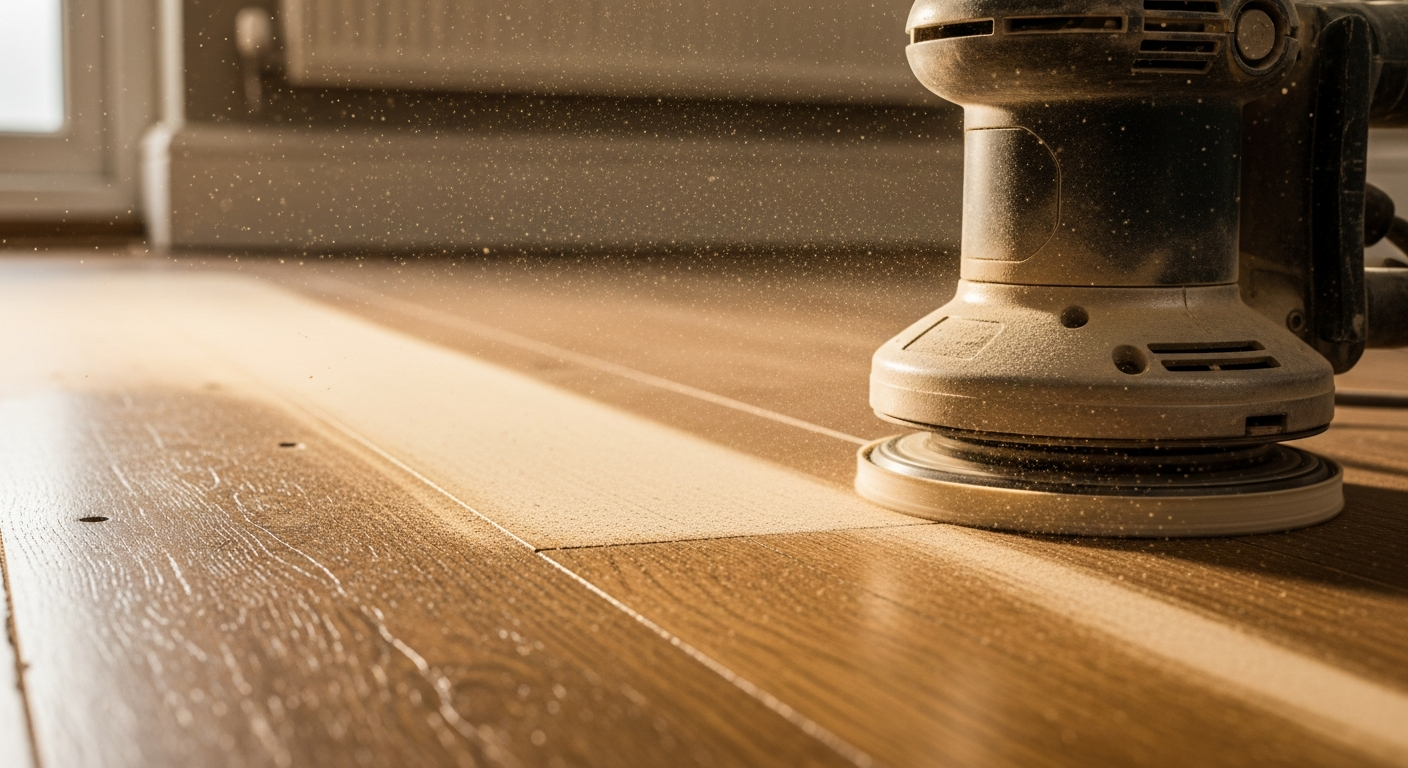
- Can be refinished — surface scratches and dullness can be corrected by sanding and refinishing the hardwood floor, extending its life significantly.
- Adds property value — estate agents consistently cite hardwood flooring as a desirable feature for UK buyers.
- Easy to clean — dust, hair, and spills sit on the surface rather than sinking in.
- Timeless appearance — natural grain patterns age well and suit most interior styles.
- High upfront cost — quality solid oak boards typically cost £60–£120 per m² before fitting.
- Susceptible to moisture — solid boards can swell, warp, or cup in damp conditions; not suitable for bathrooms or below-grade rooms without engineered boards.
- Noisy underfoot — hard surfaces transmit impact sound and can amplify footfall noise.
- Scratch risk — heavy furniture, pets, and grit can mark the surface; choosing between oil and lacquer finishes affects scratch resistance.
- Complex installation — solid boards require acclimatisation (typically 2–7 days) and precise subfloor preparation.
Which Is Better For…?
- Bedrooms: Carpet wins. It is warmer, quieter, and more comfortable underfoot — particularly important in rooms where people walk barefoot. Wool or twist-pile carpet suits primary bedrooms; a mid-range synthetic works well in children’s rooms.
- Living rooms and hallways: Hardwood wins. These high-traffic areas see the most wear; hardwood handles daily foot traffic far better, is easier to clean after muddy boots, and looks more polished long-term. You may need to fill gaps in skirting boards once the floor is laid.
- Open-plan kitchen-diners: Hardwood wins. It handles spillages and food debris far better than carpet and creates a consistent, premium finish across a large open space. Consider engineered boards for better moisture resistance.
- Rental properties: Carpet is often the pragmatic choice for bedrooms due to lower cost; hardwood or a hard alternative suits living areas for ease of cleaning between tenancies. Landlords should weigh replacement frequency against durability.
- Homes with dogs or cats: Neither is ideal, but hardwood is generally easier to maintain — see our guide on best flooring for dogs for breed-specific considerations. Heavily clawed breeds can scratch unfinished hardwood; a lacquered finish offers more resistance than oil.
UK Cost Comparison
Carpet in the UK typically costs between £8 and £40 per m² for the material alone, depending on fibre type, pile weight, and quality. A mid-range twist-pile wool carpet runs approximately £20–£30 per m². Underlay adds a further £3–£8 per m², and professional fitting typically costs £4–£8 per m². Solid hardwood flooring ranges from around £40 to £120 or more per m² depending on species and board width, with engineered hardwood sitting between £25 and £80 per m². Professional installation for hardwood flooring costs approximately £15–£30 per m² due to the additional preparation, acclimatisation, and skill required. For a typical 15 m² living room, total installed carpet costs might range from £225 to £840, while hardwood could range from £825 to £2,250 or more — a significant difference that should be weighed against hardwood’s much longer lifespan.
Frequently Asked Questions
Is hardwood flooring worth the extra cost over carpet in a UK home?
For living areas and hallways, yes — hardwood lasts significantly longer, requires less frequent replacement, and is valued by buyers. In bedrooms, carpet’s lower cost and comfort often make it the more practical choice.
Can you lay hardwood flooring over existing floorboards?
Engineered hardwood can be floated over existing boards if they are structurally sound, level, and dry. Solid hardwood typically needs to be secret-nailed directly to a timber subfloor, which may require levelling first.
Does carpet affect allergies in UK homes?
Carpet can trap dust mites, pet dander, and pollen, which may worsen symptoms for allergy or asthma sufferers. Regular vacuuming with a HEPA filter and periodic professional cleaning helps, but hard flooring is generally recommended by NHS guidance for those with severe allergies.
How long does carpet last compared to hardwood flooring?
A well-maintained carpet in a typical UK household lasts 8–15 years. Solid hardwood, when properly maintained and refinished as needed, can last 50 years or more — making it far more cost-effective over the long term.
Can you put carpet on stairs and hardwood in the hallway below?
Yes — this is a very common combination in UK homes. A stair runner or full-width carpet on stairs provides grip and reduces noise, while hardwood in the hallway below offers durability and easy cleaning.
When installing hardwood flooring in an older UK property, check for seasonal movement in existing timber joists before committing to a fixed or glued installation — boards laid perpendicular to joists with a secret-nail fixing will accommodate more natural movement than a fully glued method, reducing the risk of cupping or gapping in winter.
Sources
- Which? — Flooring costs and types — which.co.uk
- NHS — Allergies: self-help and reducing exposure to triggers — nhs.uk
- Checkatrade — Cost of fitting hardwood flooring in the UK — checkatrade.com
This guide is for general information only. Always work safely and follow manufacturer instructions. DIYnut accepts no liability for injury or damage arising from DIY work.