Install Underfloor Heating: Trade vs DIY
Underfloor heating installation is DIY-able for electric mat systems in most rooms, but wet (hydronic) systems must be connected to your boiler or heat pump by a qualified heating engineer. Electric systems require Part P-compliant electrical connection.

The DIY Option
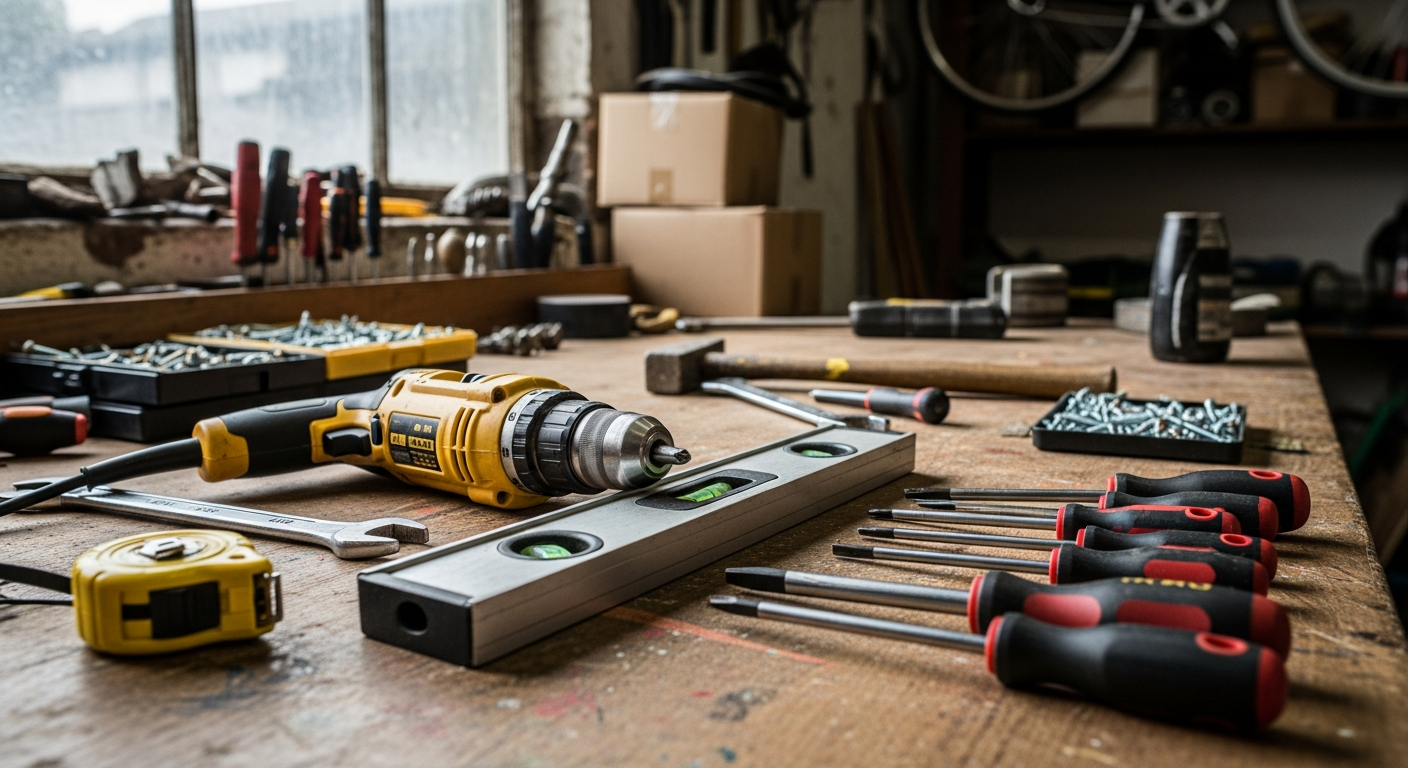
Electric underfloor heating mats are the most accessible DIY option for UK homeowners. A competent DIYer with basic tiling or flooring skills can lay the heating mat, embed it in flexible adhesive or self-levelling compound, and connect it to a thermostat. The electrical final connection — linking the thermostat to your mains supply — must either be done by a Part P-registered electrician or notified to your local authority building control before work begins. Skill level required is intermediate: you need to be comfortable working with floor tiling or laying laminate flooring and confident reading wiring diagrams. Allow one to two days for a typical room. Key tools include a notched trowel, self-levelling compound, a floor temperature probe, cable clips, and a multimeter. Material costs for electric mat systems typically run from £200 to £600 depending on room size and mat specification. Key risks include damaging the heating element during tiling, incorrect thermostat wiring, or failing to achieve an even depth of compound over the mat — all of which can cause element failure or create a trip hazard. Do not attempt wet (water-based hydronic) UFH as a DIY project without professional plumbing qualifications.
The Trade Option
A professional underfloor heating installer will survey the subfloor, calculate heat output requirements, lay and commission the system, and ensure all work complies with Building Regulations. For electric systems, a registered electrician handles the final connection and issues a Part P certificate. For wet systems, a qualified heating engineer (Gas Safe registered if connecting to a gas boiler, or HIES/MCS-accredited if connecting to a heat pump) installs the pipework, flow and return manifolds, and integrates the system with your existing heat source. Labour and materials for a professionally installed electric system typically cost £500–£1,500 for a single room; wet systems for a whole ground floor typically range from £2,000 to £6,000 or more depending on floor area and system complexity (source: Checkatrade). To find a reputable installer, use the Heating and Hot Water Industry Council (HHIC) directory, Gas Safe Register, or Checkatrade — always request at least two written quotes and check they carry public liability insurance. When your new floor goes down on top, you may also want to consider the best underlay for laminate to ensure compatibility with underfloor heating.
Side-by-Side Comparison
| Factor | DIY (Electric Mat) | Trade (Electric or Wet) |
|---|---|---|
| Cost | £200–£600 materials + electrician fee for sign-off | £800–£3,000+ (electric); £2,000–£6,000+ (wet, whole floor) |
| Time | 1–2 days per room (excluding curing time) | 1–3 days (electric); 3–10 days (wet, larger area) |
| Skill Required | Intermediate — tiling/flooring and basic wiring knowledge | Professional — Part P electrician; Gas Safe/heat pump engineer for wet systems |
| Risk Level | Medium — element damage, incorrect wiring, floor level issues | Low — professional installation with certification |
| End Quality | Good if care is taken; no certification unless electrician signs off | High — certified, warranted, building regs compliant |
| Legal Requirements | Part P notification or registered electrician required for electrical connection; Building Regs apply | Part P (electric); Gas Safe (wet/gas boiler); Building Regs notification required |
When DIY Makes Sense
- You are installing an electric mat system in a single room such as a bathroom or kitchen, and you are confident laying floor tiles or sheet vinyl.
- You are happy to engage a Part P-registered electrician for the final connection and sign-off, keeping your overall cost well below a fully traded job.
- The subfloor is sound, level, and dry — no remedial screed or structural work is needed before laying the system.
- You have time to work carefully, check resistance values at every stage with a multimeter, and allow full curing time before switching the system on.
When You Must Use a Tradesman
- Wet (hydronic) systems: Any underfloor heating system that connects to a boiler, heat pump, or other water-based heat source must be installed and commissioned by a suitably qualified heating engineer. Connecting incorrectly can void your boiler warranty and breach Building Regulations.
- Gas Safe requirements: If the wet system feeds from a gas boiler, all boiler-side connections must be made by a Gas Safe registered engineer (gov.uk / Gas Safe Register).
- Part P — electrical work: The final electrical connection of any electric UFH thermostat to the mains supply is notifiable under Part P of the Building Regulations in England. Either use a Part P-registered electrician, or notify your local authority building control before starting work (source: Planning Portal / gov.uk).
- New builds and extensions: UFH installed as part of a new build or extension is subject to full Building Regulations compliance including SAP energy calculations — this requires a qualified installer and building control sign-off.
- Screed systems: If a liquid screed is being poured over the pipework, this should be carried out by a specialist screed contractor to ensure correct encapsulation depth and avoid voiding the heating system warranty.
If You DIY — Where to Start
Before purchasing any materials, measure your room accurately, deduct fixed furniture footprints, and check your subfloor condition — it must be level to within 3 mm over 2 m. Review the Flooring Guide for subfloor preparation advice and compatible floor coverings. Then follow our step-by-step guide on how to install electric underfloor heating, which covers mat layout planning, embedding in adhesive, thermostat positioning, and the resistance checks you must carry out before, during, and after installation. If you are finishing with tiles, read our guide on how to lay floor tiles for the correct flexible adhesive specification needed over a heating element. Always keep a copy of your resistance test readings and the mat layout plan — your electrician will need these for sign-off, and they are essential if any fault develops in future.
Frequently Asked Questions
Do I need building regulations approval to install underfloor heating?
Yes. Electric UFH connections are notifiable under Part P of the Building Regulations in England. Wet systems connected to a boiler or heat pump also require Building Regulations notification, typically via your local authority building control or a registered competent person scheme.
Can I install electric underfloor heating under laminate flooring myself?
Yes, provided you use a mat or loose-wire system rated for use under floating floors and the floor covering has a suitable tog value (generally no more than 1.5 tog combined for underlay and flooring). Always check compatibility with the manufacturer’s instructions before laying.
What is the difference between wet and electric underfloor heating?
Electric (dry) systems use a heating mat or loose cable embedded in adhesive or compound beneath the floor. Wet (hydronic) systems pump warm water through pipework set in screed and connect to a boiler or heat pump — they are more efficient for whole-house heating but significantly more complex to install.
How long does underfloor heating take to heat up?
Electric mat systems typically reach operating temperature within 30–60 minutes. Wet screed systems can take 2–3 hours or more to bring a room up to temperature, which is why they are usually left on at a lower background temperature rather than switched on and off frequently.
Will underfloor heating work under all floor types?
Most floor types are compatible, but check the manufacturer’s guidance carefully. Stone and ceramic tiles are highly efficient. Engineered wood and LVT are generally suitable. Solid hardwood and thick carpet with high tog-rated underlay can reduce efficiency or, in some cases, cause damage to the floor covering.
Always carry out a resistance test on the heating element immediately after unboxing (before installation), again once it is laid out, and once more after tiling or screeding — photograph or log each reading. If resistance falls outside the manufacturer’s specified range at any stage, stop immediately: a damaged element buried under tiles is extremely costly to diagnose and replace.
Sources
- Checkatrade — Cost of underfloor heating installation in the UK — checkatrade.com
- Planning Portal / gov.uk — Part P: Electrical safety in dwellings — planningportal.co.uk
- Gas Safe Register — Why use a Gas Safe registered engineer — gassaferegister.co.uk
This guide is for general information only. Always work safely and follow manufacturer instructions. DIYnut accepts no liability for injury or damage arising from DIY work.