Lay a Hardwood Floor: Trade vs DIY
Laying a hardwood floor is DIY-able for competent homeowners tackling floating or click-system boards. Secret-nailed solid hardwood over joists is harder and less forgiving. Budget £15–£30 per m² for materials. A professional installation typically costs £30–£60 per m² in labour alone.

The DIY Option
Laying a hardwood floor sits at an intermediate DIY skill level. Engineered hardwood with a click-lock or floating system is genuinely achievable for a careful, patient DIYer — the boards are dimensionally stable, forgiving of minor subfloor imperfections, and do not require specialist machinery. Solid hardwood secret-nailed to timber joists is more demanding: you need a floor nailer or stapler, accurate subfloor preparation, and a solid understanding of wood expansion gaps. Expect a 20–30 m² room to take a capable DIYer one to two full weekends, including acclimatisation time for the boards (typically 48–72 hours in the room before laying).
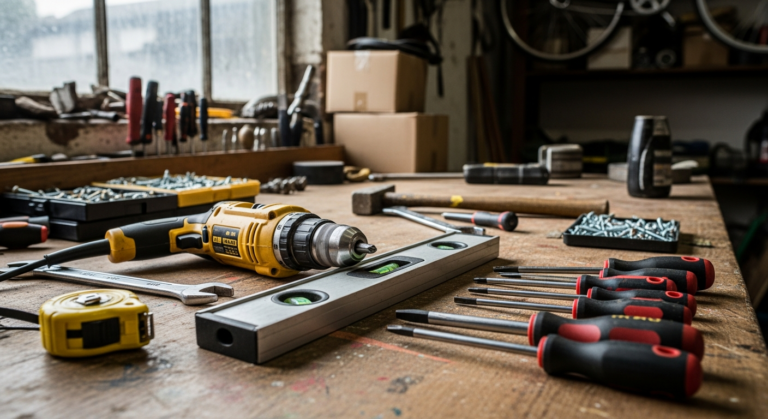
Core tools required include a mitre saw or circular saw, a tapping block and pull bar, a moisture meter, spacers, and a tape measure. For secret-nailed solid boards you will also need a pneumatic or manual floor nailer and a compressor. Hiring these tools from a local hire shop is straightforward. Material costs for engineered hardwood run from roughly £15–£30 per m² depending on the grade and thickness chosen; solid hardwood boards typically cost £25–£50 per m².
Key risks include laying over a subfloor that is too damp (causing boards to cup or buckle), inadequate expansion gaps around walls and fixed objects (leading to lifting or cracking), and poor board selection for the heating system — solid hardwood is generally not recommended over underfloor heating, whereas some engineered boards are. Before you start, check our Flooring Guide for an overview of wood flooring types, and plan how you will remove and refit your skirting boards — see Remove Skirting Boards Without Damage for the correct technique. For a full step-by-step walkthrough, visit the How to Lay Hardwood Flooring guide.
The Trade Option
A professional floor fitter will assess the subfloor condition, correct any unevenness (typically with a self-levelling compound or ply layer), advise on the most suitable board type for your heating system, and lay the floor to manufacturer specification — including correct expansion gaps, staggered joints, and finished thresholds. They will also refit or supply new skirting boards or beading to cover the perimeter gap. Established floor fitters carry their own machinery — including drum sanders for solid floors and professional nailers — and are familiar with the quirks of older UK properties such as uneven joists and irregular room shapes.
Typical trade labour costs in the UK run from £30–£60 per m² for supply-and-fit, or £15–£25 per m² for fit-only where you supply the boards. Room size, subfloor condition, and regional location all affect the final figure — London and the South East tend to sit at the top of that range. For more cost context, Which? publishes guidance on flooring installation costs (Which? hardwood flooring guide). To find a vetted local fitter, use Checkatrade or the National Flooring Association (NFA) member search, and always ask for references and a written quote. Once the floor is down and finished, consider your finish options — our guide to Oil vs Lacquer Wood Floor Finish explains the practical differences.
Side-by-Side Comparison
| Factor | DIY | Trade |
|---|---|---|
| Cost | £15–£30 per m² (materials only); tool hire extra | £30–£60 per m² labour; supply-and-fit higher |
| Time | 1–2 weekends for a standard room (plus acclimatisation) | 1–2 days for a professional team |
| Skill Required | Intermediate — higher for secret-nailed solid boards | Specialist — experienced floor fitter |
| Risk Level | Medium — moisture damage, expansion failure, wasted materials | Low — professional guarantees workmanship |
| End Quality | Good if prepared thoroughly; can equal trade on click systems | High — consistent, warrantied finish |
| Legal Requirements | None for standard flooring installations in England and Wales | None — no statutory certification required for flooring |
When DIY Makes Sense
- You are laying an engineered hardwood click-lock or floating system on a level, dry subfloor — these systems are specifically designed for DIY installation.
- The room is a regular shape with few fixed obstacles such as islands, hearths, or curved walls that would require complex cutting and fitting.
- You have the time to allow the boards to acclimatise properly, prepare the subfloor correctly, and work methodically without rushing.
- You are comfortable using a mitre saw and can lift and refit skirting boards — see Fill Gaps in Skirting Boards for finishing the perimeter neatly once the floor is laid.
When You Must Use a Tradesman
- The subfloor is concrete and shows high moisture readings — remedial damp-proofing membranes or a levelling compound are required before any wood floor can be safely laid, and getting this wrong can void the board manufacturer’s warranty.
- You are laying solid hardwood secret-nailed to existing timber joists and the floor is uneven or the joists are compromised — structural issues need assessment before flooring work begins.
- The installation is over an underfloor heating system: the heating specialist or boiler engineer should confirm the system is suitable for wood, and the floor fitter must follow the manufacturer’s acclimatisation and temperature protocols precisely.
- You are working in a listed building or conservation area where the choice of floor finish or the method of fixing may be subject to planning or listed building consent conditions — always check with your local planning authority via gov.uk listed buildings guidance before proceeding.
- Note: hardwood floor laying does not fall under Part P (electrical), Gas Safe, or building regulations notification requirements in standard domestic settings — but any electrical work (such as fitting underfloor heating thermostats) must comply with Part P of the Building Regulations.
If You DIY — Where to Start
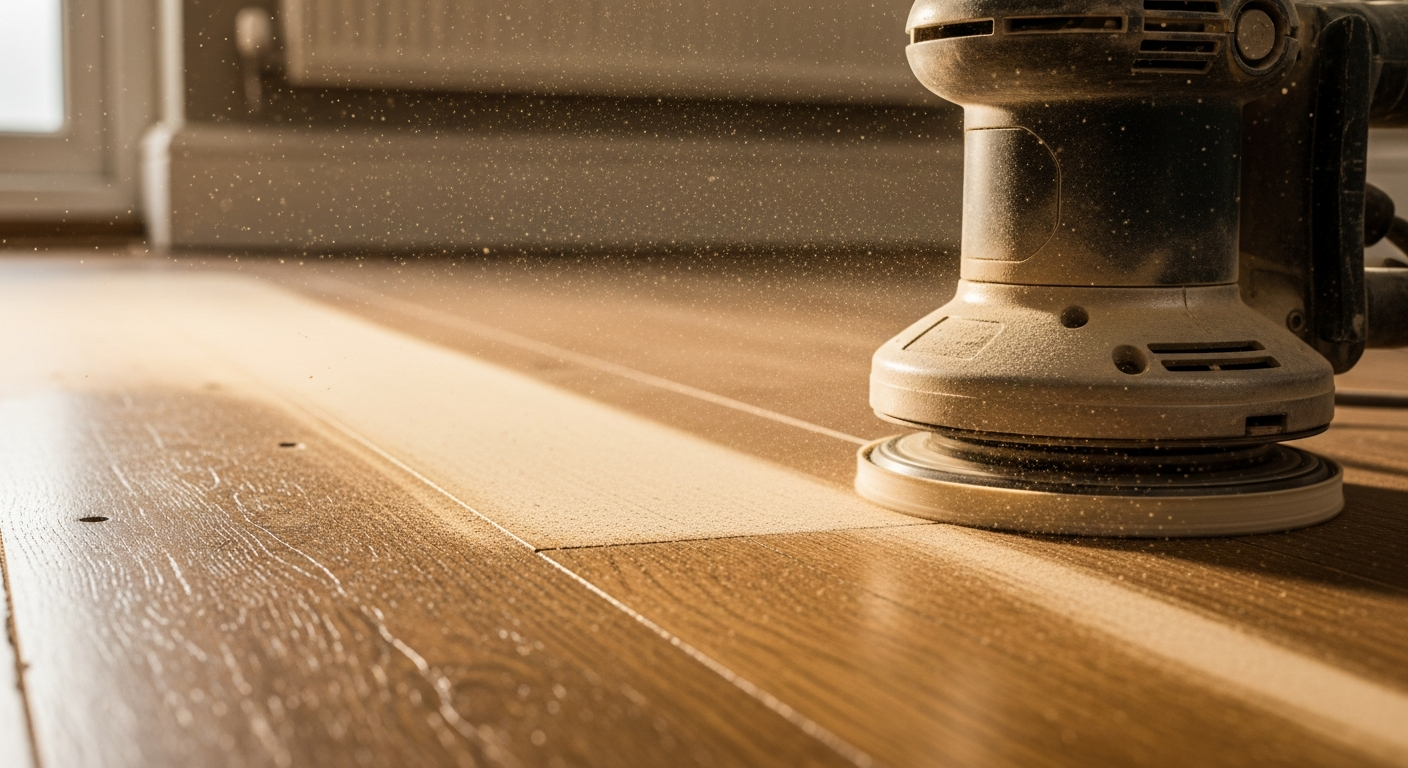
The best starting point is our detailed step-by-step guide: How to Lay Hardwood Flooring. It covers subfloor preparation, acclimatisation, setting out the first row, cutting and fitting, and finishing the edges. Once the floor is laid, you may also want to read Sand and Refinish Hardwood Floor if you are working with unfinished boards or restoring an existing floor.
Frequently Asked Questions
Is laying a hardwood floor a realistic DIY job?
Yes — engineered hardwood with a click-lock system is a realistic DIY project for an intermediate-level homeowner with the right tools and time. Solid hardwood secret-nailed to joists is more demanding and unforgiving of subfloor imperfections.
How much does it cost to have hardwood flooring professionally laid in the UK?
Professional floor fitters typically charge £30–£60 per m² for labour on hardwood installations. Supply-and-fit quotes will be higher depending on the board type and subfloor condition.
Do I need building regulations approval to lay a hardwood floor?
No — in most cases, fitting hardwood flooring in a domestic property in England and Wales does not require building regulations approval or notification. If the work involves electrical installations such as underfloor heating controls, those elements must comply with Part P.
Can I lay hardwood flooring over underfloor heating?
Some engineered hardwood boards are approved for use over underfloor heating — check the manufacturer’s specification carefully. Solid hardwood is generally not recommended over underfloor heating as the heat cycles cause excessive movement and can damage the boards.
How long do hardwood boards need to acclimatise before laying?
Most manufacturers recommend 48–72 hours of acclimatisation in the room where the floor will be laid, with the boards unpacked or loosely stacked to allow air circulation. Always follow the specific guidance in the product’s installation instructions.
Before laying the first board, stretch a string line across the room at 90° to the longest wall — even a wall that looks straight can bow by 10–15 mm over 4 metres, and correcting for this at the start prevents increasingly awkward cuts as you work towards the far side.
Sources
- Which? — Hardwood Flooring Guide — which.co.uk
- Checkatrade — Cost to fit hardwood flooring — checkatrade.com
- gov.uk — Listed buildings and planning consent — gov.uk
This guide is for general information only. Always work safely and follow manufacturer instructions. DIYnut accepts no liability for injury or damage arising from DIY work.