How to Fix a Garden Tap – DIY Guide
To fix a garden tap, turn off the water supply at the isolator or stopcock, drain the pipe, then replace the tap washer, O-ring or gland packing depending on where the leak is. Most repairs take under an hour and cost under £10 in parts.


- Adjustable spanner
- Flat-head screwdriver
- Cross-head screwdriver
- Slip-joint pliers
- Small bowl or towel
- Pipe wrench
- Replacement tap washer
- O-ring set (assorted)
- Gland packing cord or PTFE tape
- Silicone grease
- Replacement tap headgear (if worn)
- Penetrating oil (for seized components)
Step-by-Step Guide
Turn Off the Water Supply
Locate the isolating valve on the supply pipe feeding the garden tap — it is usually inside the house, often under the kitchen sink or in a utility room. Turn it a quarter-turn to close it. If there is no isolator, use the main stopcock. Open the tap to drain residual water from the pipe, then place a small bowl beneath the tap to catch any remaining drips. Never attempt to dismantle a tap while the water is still live — you will flood the surrounding area and create a pressurised spray.
Identify the Source of the Leak
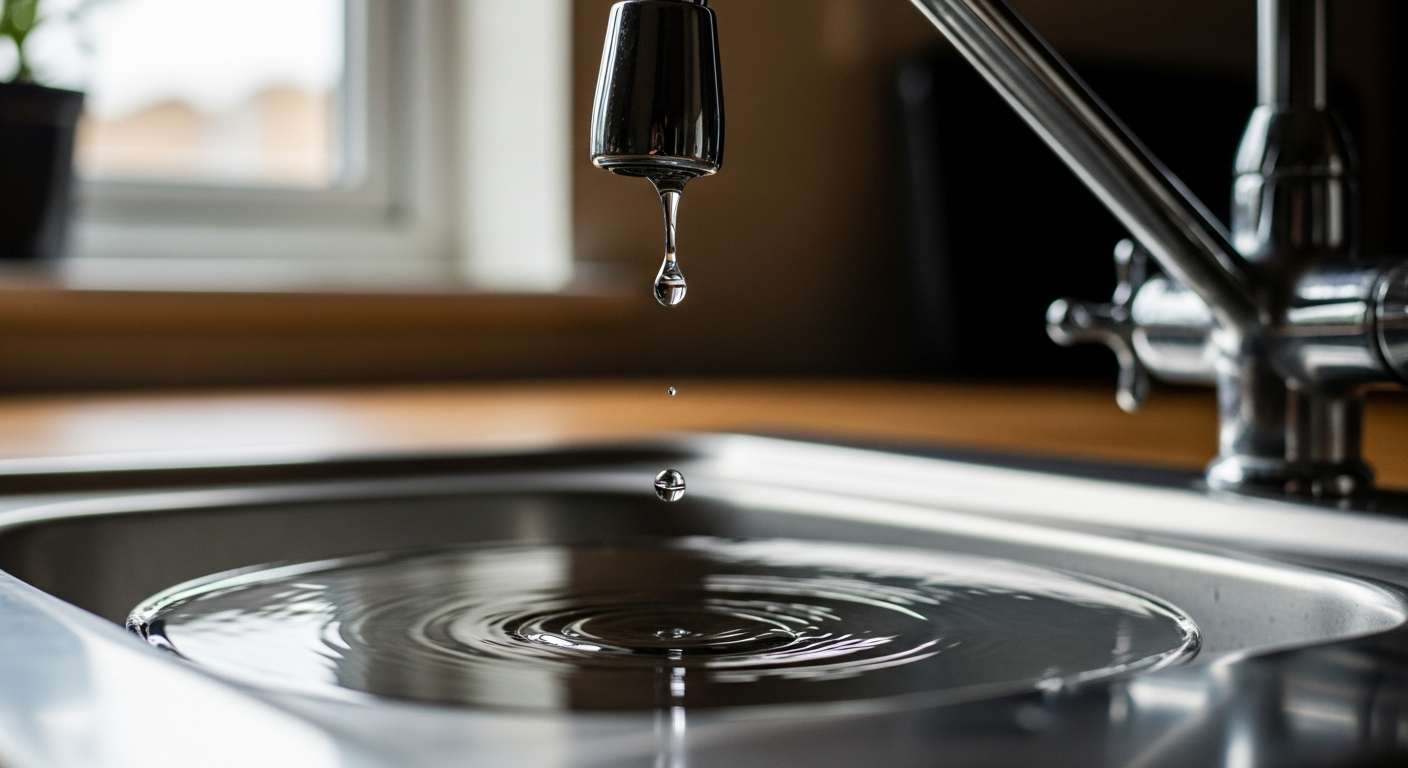
Before dismantling anything, observe exactly where the water is coming from. A drip from the spout when the tap is closed points to a worn washer or damaged seat. Water weeping around the spindle (the rotating stem) when the tap is open means the gland packing or O-ring has failed. A leak from the body joint or backplate suggests a failed sealing washer behind the tap body itself. Correct diagnosis saves time and prevents buying the wrong parts. Browse our Garden Guide for related outdoor maintenance tasks.
Remove the Tap Head and Access the Internals
Unscrew or prise off the decorative cover on top of the tap head to reveal the retaining screw — usually a cross-head or slotted type. Remove the screw and pull the handle straight off. Next, use an adjustable spanner to unscrew the packing nut (the hexagonal nut beneath the handle). This releases the entire headgear assembly, which includes the spindle and jumper. If the nut is stiff, apply a small amount of penetrating oil and allow it to soak for five minutes before trying again — forcing it risks rounding off the flats.
Replace the Washer, O-ring or Gland Packing
For a dripping spout: unscrew the small brass nut at the base of the jumper (or lever it off if it is push-fit) and pull off the old washer. Fit a new washer of the same diameter, press it firmly onto the seating, and reassemble. For a spindle leak: slide the O-ring off the spindle groove and replace it with a matching size from an assorted set — lightly coat it in silicone grease before fitting. For gland packing failure: wind several turns of PTFE tape or gland packing cord tightly around the spindle where it passes through the gland nut, then retighten the nut snugly. If you are also installing a water butt nearby, check the connecting pipework for similar wear while you have the supply turned off.
Reassemble the Tap and Test for Leaks
Reassemble in reverse order: thread the headgear back into the tap body and hand-tighten the packing nut, then snug it up with the spanner — firm but not over-torqued, as overtightening cracks older brass bodies. Replace the handle and retaining screw, then refit the decorative cover. Slowly reopen the isolating valve and allow pressure to build. Observe all joints for 60 seconds before declaring the repair complete. A correctly fitted washer will give a positive close with modest hand pressure on the handle; if you need to force it hard, the new washer may be slightly oversized or the seat may be damaged and need resurfacing with a tap reseating tool.
Insulate the Supply Pipe Against Frost
Garden tap supply pipes are among the most common casualties of a UK winter freeze. Once the repair is done, check the condition of any foam pipe lagging on the pipework between the isolating valve and the external tap. Replace split or compressed lagging with correctly sized foam tube, secured with waterproof tape at joints. Repairing the garden wall where the tap backplate passes through is also worth doing at the same time — any gap around the pipe is a draught and moisture entry point.
Frequently Asked Questions
Can I fix a garden tap myself or do I need a plumber?
Most garden tap repairs — leaking washers, worn O-rings, failed gland packing — are beginner-level DIY. You do not need a plumber unless the tap body is cracked, the pipework is damaged, or you need to move or extend the supply pipe, which may require notifiable work under the Water Supply (Water Fittings) Regulations 1999.
Why does my garden tap drip only when turned off?
A drip from the spout when the tap is fully closed almost always means the tap washer is worn, hardened or split. The washer sits at the base of the headgear and presses against a brass seat to form a watertight seal — once it deteriorates, it can no longer hold back line pressure.
My garden tap handle is stiff and hard to turn — what causes that?
Stiffness is usually caused by corrosion or mineral scale build-up on the spindle, or by gland packing that has been over-compressed. Remove the headgear, clean the spindle with fine wire wool, apply silicone grease, and replace the packing. If the tap has not moved for several winters, a short soak in penetrating oil often frees it. See our full Garden Guide for other seasonal maintenance checks.
How do I stop my garden tap from freezing in winter?
Fit correctly sized foam pipe lagging to the supply pipe from the isolating valve to the external wall. For prolonged sub-zero periods, turn off the isolating valve inside and open the garden tap to drain the outdoor section completely — a drained pipe cannot freeze and split. Our dedicated garden tap guide covers anti-freeze tap kits as a longer-term solution.
What is the difference between a tap washer and an O-ring?
A tap washer is a flat disc — usually rubber or fibre — that sits at the bottom of the spindle and presses against the valve seat to stop flow when the tap is closed. An O-ring is a circular rubber seal that fits around the spindle itself to prevent water escaping up the stem while the tap is in use. Both wear out independently and produce different types of leak.
Before fitting a new washer, press a finger firmly into the tap seat (the brass ring the washer presses against) and feel for pitting or a groove worn into it. A damaged seat will cut through a new washer within weeks. A tap reseating tool costs around £8 and grinds the seat flat in two minutes — skip this step and you will be back inside a month.
Sources
- HSE — Water Supply (Water Fittings) Regulations 1999: guidance for home owners — hse.gov.uk
- Which? — How to fix a dripping tap — which.co.uk
- gov.uk — Water Supply (Water Fittings) Regulations 1999 — legislation.gov.uk
This guide is for general information only. Always work safely and follow manufacturer instructions. DIYnut accepts no liability for injury or damage arising from DIY work.