How to Fix a Patchy Lawn – DIY Guide
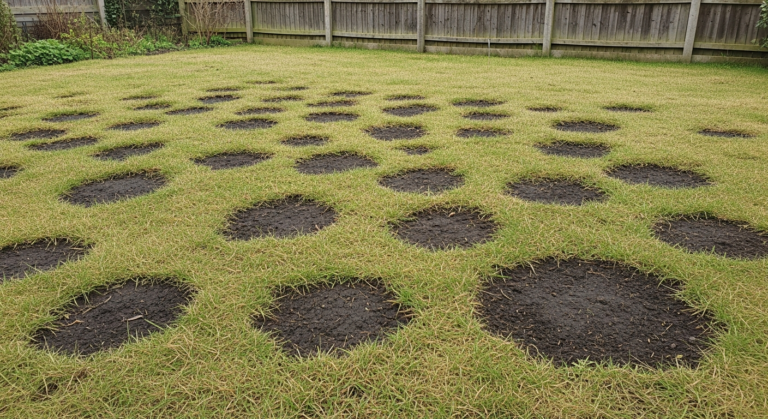
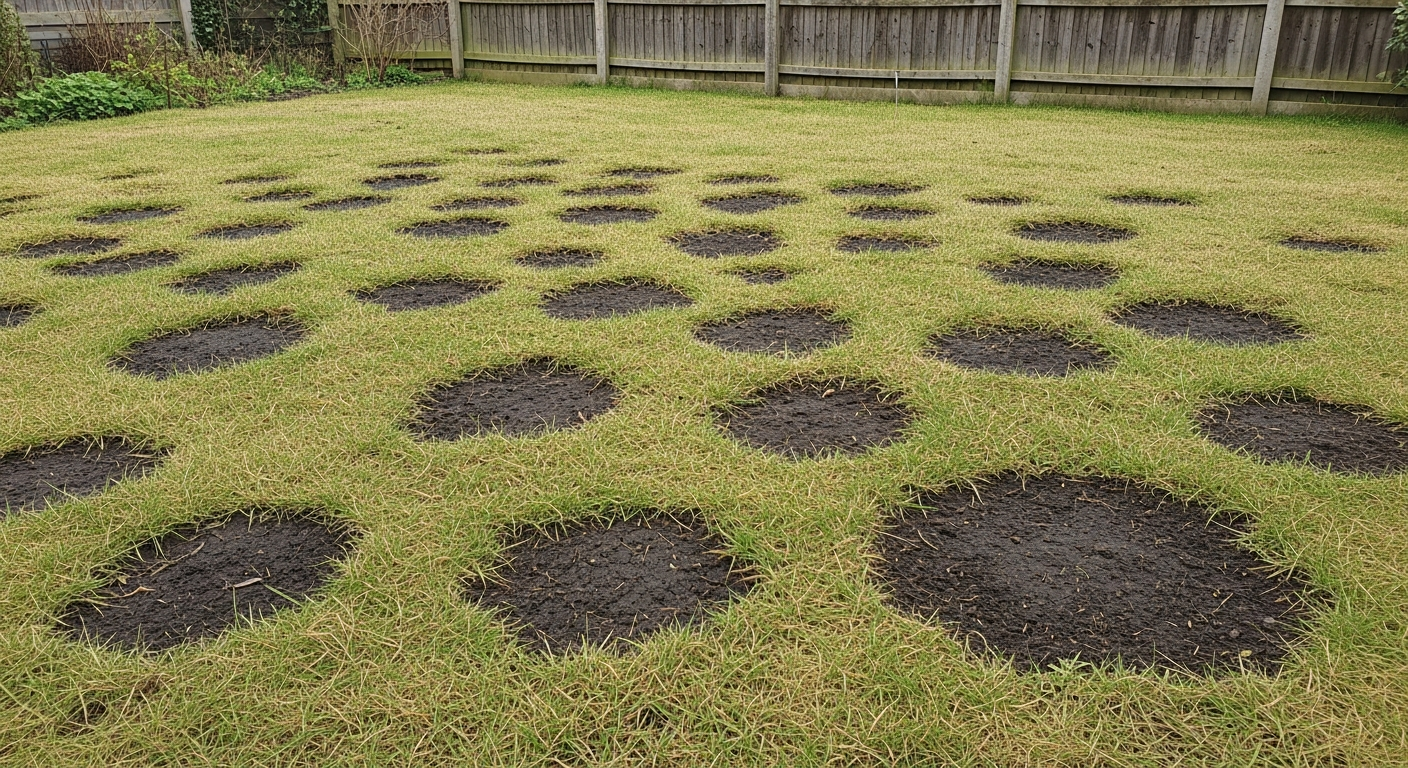
Fix a patchy lawn by raking out dead grass, loosening the soil, applying pre-seeded lawn repair mix or fresh seed, and keeping it moist until established. Most patches show visible improvement within 2–3 weeks, depending on soil temperature and moisture levels.
- Garden rake
- Hand fork or border fork
- Watering can or garden hose with rose attachment
- Stiff-bristled brush or lawn brush
- Knee pad or kneeling mat
- Measuring tape
- Lawn repair seed mix
- Pre-seed lawn fertiliser
- Topsoil or fine horticultural compost
- Horticultural sharp sand (for compacted or clay areas)
- Lawn edging pins or pegs (to protect seeded areas from foot traffic)
- Garden netting or seed protection mat
Step-by-Step Guide
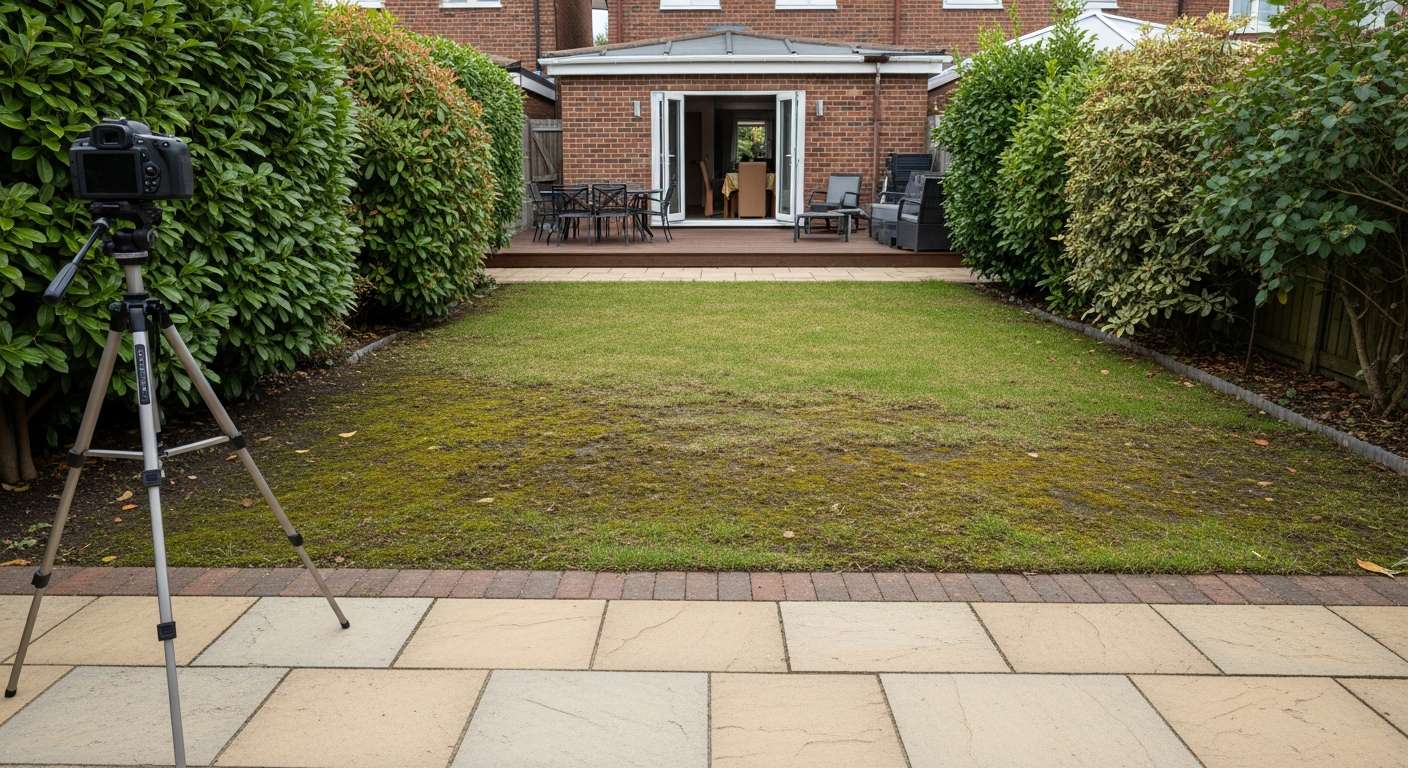

Identify and Diagnose Each Patch
Before reaching for seed, work out why the patch is bare. Common causes include compacted soil, shade, dog urine, moss die-off after treatment, heavy foot traffic, or a fungal disease. Press a trowel into the patch — if the soil is rock-hard or waterlogged, you need to address the underlying problem first, otherwise new seed will fail in the same spot. Check our Garden Guide for a broader overview of lawn health and seasonal care.
Prepare the Patch Surface
Scratch out all dead grass, thatch, and debris using a garden rake or hand fork, working the soil surface to a depth of around 25–50 mm. Remove any large stones, roots, or compacted clods. If the soil is very dense or poorly draining, work in a thin layer of horticultural sharp sand to open up the structure. Firm the area lightly by tamping with the back of your rake — you want good contact between seed and soil, not a loose fluffy surface.
Improve the Soil Before Seeding
Spread a thin layer of topsoil or fine horticultural compost across the prepared patch to a depth of around 10–15 mm, then rake level with the surrounding lawn. Apply a pre-seed lawn fertiliser at the rate recommended on the pack — this encourages rapid root development in young grass seedlings. Avoid applying a general high-nitrogen feed at this stage as it can promote leaf growth at the expense of rooting. If you are planning a larger overseeding project, see our guide on how to seed a bare lawn for full-area preparation steps.
Sow the Lawn Repair Seed
Use a lawn repair seed mix suited to your lawn type — shaded, hardwearing, or fine ornamental. Sow at the rate stated on the packaging, usually around 35–50 g per square metre for repairs. Scatter seed evenly by hand over the patch, then rake it lightly into the surface so roughly half the seed is in contact with the soil. Avoid heavy raking, which buries seed too deep. For patches larger than 1 square metre, sow in two passes at right angles to each other for even coverage.
Protect the Seeded Area
Lay garden netting or a seed protection mat over each patch and secure the edges with pegs. This deters birds and stops the seed from being disturbed by wind, rain, or foot traffic. Mark the area clearly if children or pets use the garden — even light foot traffic on newly germinated grass can kill seedlings. Keep the seeded patch consistently moist by watering lightly at least once a day in dry weather; the top 25 mm of soil should never dry out completely during germination.
Establish and Maintain the New Grass
Most grass seed germinates in 7–14 days at soil temperatures above 8°C — the Royal Horticultural Society notes that spring and early autumn are the optimal sowing windows for UK lawns. Once the new grass reaches around 50–60 mm, mow on the highest setting to avoid scalping young plants. Continue to avoid heavy use of the patch for at least four to six weeks after germination. Once the new grass has been mown two or three times and blends with the surrounding lawn, you can resume normal watering and feeding with a balanced lawn feeding programme.




Similar Posts
How to Seed a Bare Lawn – DIY Guide
Seed a bare lawn the right way — soil prep, seed rates, and watering tips for thick, even grass growth across the UK.
How to Lay Turf – DIY Guide
How to lay turf the right way — ground prep, staggered laying, and watering tips for a lush, established UK lawn.
How to Fix a Waterlogged Lawn – DIY Guide
Fix a waterlogged lawn with aeration, sharp sand topdressing, and French drain installation. Restore drainage and healthy grass in one season.
Lawn Care Calendar UK – DIY Guide
Lawn Care Calendar UK: the right task every month, from spring feeding to autumn scarifying — keep your lawn healthy all year.
How to Feed and Weed a Lawn – DIY Guide
Feed and weed a lawn the right way — timing, technique, and product rate to get a greener, weed-free lawn fast.
How to Scarify and Aerate a Lawn – DIY Guide
Scarify and aerate a lawn the right way — remove thatch, relieve compaction, and get lush, healthy grass back fast.