
Cost of Loft Insulation
Insulation & Damp › Insulation & Damp
Cost of Loft Insulation
Understand what you’ll pay before buying materials or hiring a tradesman.
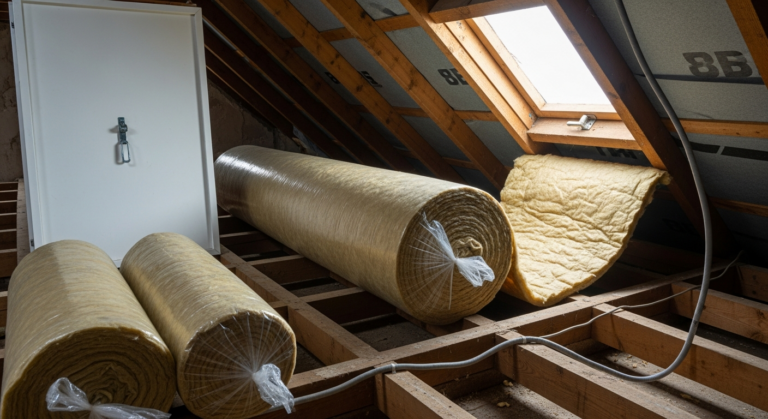
Loft insulation costs £300–£600 DIY or £800–£2,500 for a professional installation, depending on loft size, insulation type, and access. Most homes require 270mm of mineral wool laid between and across joists to meet current building standards.

What Affects the Cost
Loft size and layout: The floor area of your loft is the single biggest cost driver. A small terraced house with a 40–50 m² loft will cost considerably less to insulate than a large detached property with 80–100 m². Irregular layouts, chimney stacks, and water tanks all add time and material waste.
Insulation type: Mineral wool roll (glass or rock wool) is the cheapest and most common option for accessible lofts. Loose-fill blown insulation suits lofts with awkward access. Rigid board insulation is needed for warm loft conversions and costs significantly more per m². See our Loft Insulation Depth Guide for recommended thicknesses by insulation type.
Existing insulation: If there is already some insulation in place, a top-up is cheaper than a full installation. However, if old insulation is damaged, compacted, or contaminated with pests or damp, removal adds cost before new material can go down.
Access and condition: A clear, boarded loft with a proper hatch and fixed ladder is straightforward to work in. A loft with no boarding, poor headroom, or a small hatch slows the job considerably. If your hatch is uninsulated, that is a separate heat loss point — see our guide on how to insulate a loft hatch.
Warm vs cold loft: A cold loft (insulation at joist level) is far cheaper than a warm loft (insulation at rafter level), which requires rigid or spray foam products and is best left to a specialist. Warm loft insulation can cost two to three times more than a cold loft equivalent.
Labour rates: A sole trader will typically charge less than a larger insulation company. Prices vary regionally, and schemes such as the Great British Insulation Scheme (administered via gov.uk) may reduce or eliminate costs for eligible households.
UK Average Cost Breakdown
| Task | DIY Cost | Trade Cost | Notes |
|---|---|---|---|
| Cold loft — small terraced (up to 50 m²) | £150–£250 | £800–£1,200 | Mineral wool roll, 270mm depth |
| Cold loft — mid semi-detached (50–70 m²) | £220–£350 | £1,000–£1,600 | Mineral wool roll, 270mm depth |
| Cold loft — large detached (80–100 m²) | £300–£500 | £1,400–£2,500 | Mineral wool roll, 270mm depth |
| Top-up only (existing partial insulation) | £80–£180 | £400–£800 | Adding second layer across joists |
| Warm loft / rafter insulation (per m²) | £15–£30 per m² | £40–£70 per m² | Rigid board or spray foam; specialist recommended |
| Removal of old/damaged insulation | DIY possible | £200–£600 | Disposal costs extra if skip required |
| Loft hatch insulation (add-on) | £20–£60 | £80–£150 | Often overlooked; worth doing at same time |
DIY vs Tradesman — Is It Worth It?
Cold loft insulation is one of the most DIY-friendly home improvement jobs available. The materials are lightweight, no specialist tools are required, and the technique — laying rolls between joists then adding a crossways layer — is straightforward for most homeowners. A typical semi-detached loft can be insulated by one person in a day. The potential saving over hiring a tradesman is £300–£900 depending on loft size, making it genuinely worthwhile if you are comfortable working in a confined space and can safely access the loft.
The main risks for DIYers are inadequate depth (current guidance is 270mm total), gaps around pipes and eaves, and poor ventilation — all of which reduce effectiveness and can cause condensation problems. Always wear a dust mask, eye protection, and long sleeves when handling mineral wool. Ensure the loft remains ventilated at the eaves and never block airflow paths.
Hire a tradesman for warm loft conversions, spray foam applications, or where the loft has structural issues, significant pest damage, or asbestos-containing materials (common in pre-1980 properties — check before disturbing anything). A professional installer registered with a scheme under the Great British Insulation Scheme will also be able to confirm your eligibility for funding. When you are ready to get started yourself, our guide on how to insulate a loft covers the full process step by step.
Regional Price Variations
Labour rates for loft insulation in London and the South East typically run 20–35% higher than the UK average, reflecting higher general trade costs in the region. A job priced at £1,000 in the Midlands or North of England may cost £1,200–£1,350 in Greater London. Material costs are broadly consistent across the country, so the gap narrows significantly for DIY projects. Scotland, Wales, and Northern Ireland may have access to additional government-funded insulation programmes; check the relevant devolved government websites for current eligibility criteria.
How to Get the Best Price
- Check grant eligibility first: The Great British Insulation Scheme (gov.uk) and the Energy Company Obligation (ECO4) scheme can fund partial or full loft insulation for eligible households — check before paying anything.
- Get three quotes: Prices vary widely between installers. Request itemised quotes so you can compare material costs and labour separately.
- Time it off-peak: Insulation installers are busiest in autumn. Booking in spring or early summer may secure a lower price or faster availability.
- Bundle with related work: If you also need to address draughts or insulate the loft hatch, ask for a combined price — tradespeople often discount add-on tasks when already on site.
- Buy materials yourself for DIY: Purchasing mineral wool rolls directly from a builders’ merchant rather than a DIY superstore can reduce material costs by 10–20% on larger quantities.
What a Good Quote Should Include
- Total loft floor area to be insulated (in m²) and the insulation depth specified (should be 270mm for cold lofts per current guidance).
- Insulation product type and manufacturer’s stated thermal performance (W/mK rating).
- Whether existing insulation removal or preparation is included, and how waste will be disposed of.
- Confirmation that eaves ventilation will be maintained and any pipe lagging or tank insulation will be addressed.
- Whether the quote is fixed price or day rate, and what triggers any additional charges.
Hidden Costs to Watch For
- Asbestos surveys: If your property was built before 1985 and has not been assessed, some installers will require an asbestos survey before starting work. This typically costs £150–£300 and can delay the job.
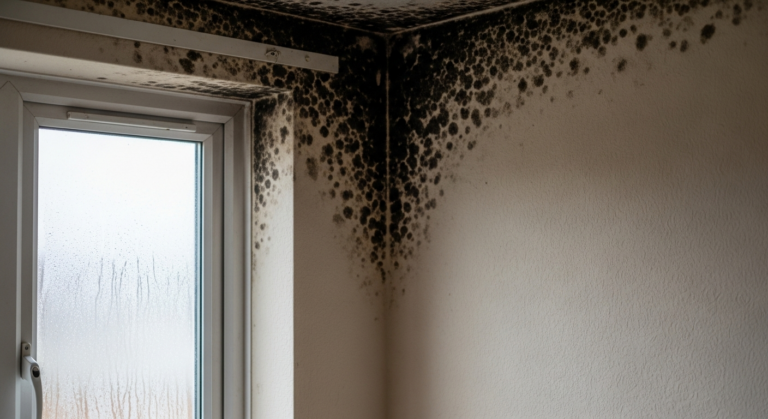
- Pipe and tank lagging: Once joist-level insulation is laid, pipes and cold water tanks above the insulation layer lose the warmth rising from below and can freeze in winter. Lagging them is essential but is not always included in a basic loft insulation quote.
- Boarding removal and reinstatement: If your loft is partially or fully boarded, boards must be lifted to lay insulation underneath. Some contractors charge extra to remove and refit boards, or may not offer to refit them at all.
- Skip hire or waste disposal: Old insulation stripped from a loft can amount to several bags of waste. If your installer does not include disposal, skip hire or licensed waste carrier costs can add £150–£350 to the job.
Frequently Asked Questions
How much does loft insulation cost for a typical semi-detached house?
For a typical semi-detached house with a loft area of around 50–70 m², expect to pay £1,000–£1,600 for professional installation of 270mm mineral wool. DIY materials for the same job typically cost £220–£350.
Can I get loft insulation installed for free?
Potentially yes. The Great British Insulation Scheme and the Energy Company Obligation (ECO4) scheme offer free or heavily subsidised loft insulation to eligible households, particularly those on certain benefits or in lower-rated EPC properties. Check eligibility at gov.uk.
How long does loft insulation last?
Mineral wool loft insulation is generally considered to last 40 years or more if kept dry and undisturbed. It does not degrade significantly over time, though it can become compacted or damp if ventilation is poor.
Is loft insulation a DIY job?
Cold loft insulation using mineral wool rolls is one of the most accessible DIY jobs for homeowners — no specialist tools or skills are needed. Warm loft and rafter insulation is more complex and usually best left to a professional installer.
What depth of loft insulation do I need?
Current guidance recommends 270mm total depth for mineral wool in a cold loft — typically 100mm between the joists and 170mm laid crossways on top. See our Loft Insulation Depth Guide for full details.
When laying the crossways top layer of mineral wool, stagger the joints by at least 300mm relative to the layer below — this eliminates cold bridges at joist positions that can reduce effective thermal performance by more than people expect. It takes no extra time and makes a measurable difference.
Sources
- Which? — Loft insulation costs — which.co.uk
- GOV.UK — Great British Insulation Scheme — gov.uk
- Energy Saving Trust — Loft insulation — energysavingtrust.org.uk
This guide is for general information only. Always work safely and follow manufacturer instructions. DIYnut accepts no liability for injury or damage arising from DIY work.