Cost to Damp Proof a House
Insulation & Damp › Insulation & Damp
Cost to Damp Proof a House
Understand what you’ll pay before work starts and avoid overpaying.
Damp proofing a house typically costs £800–£2,500 for a standard treatment, depending on damp type, property size, and whether a specialist is needed. Rising damp treatments cost more than condensation fixes. Some work is DIY-viable; structural damp requires a professional.

What Affects the Cost
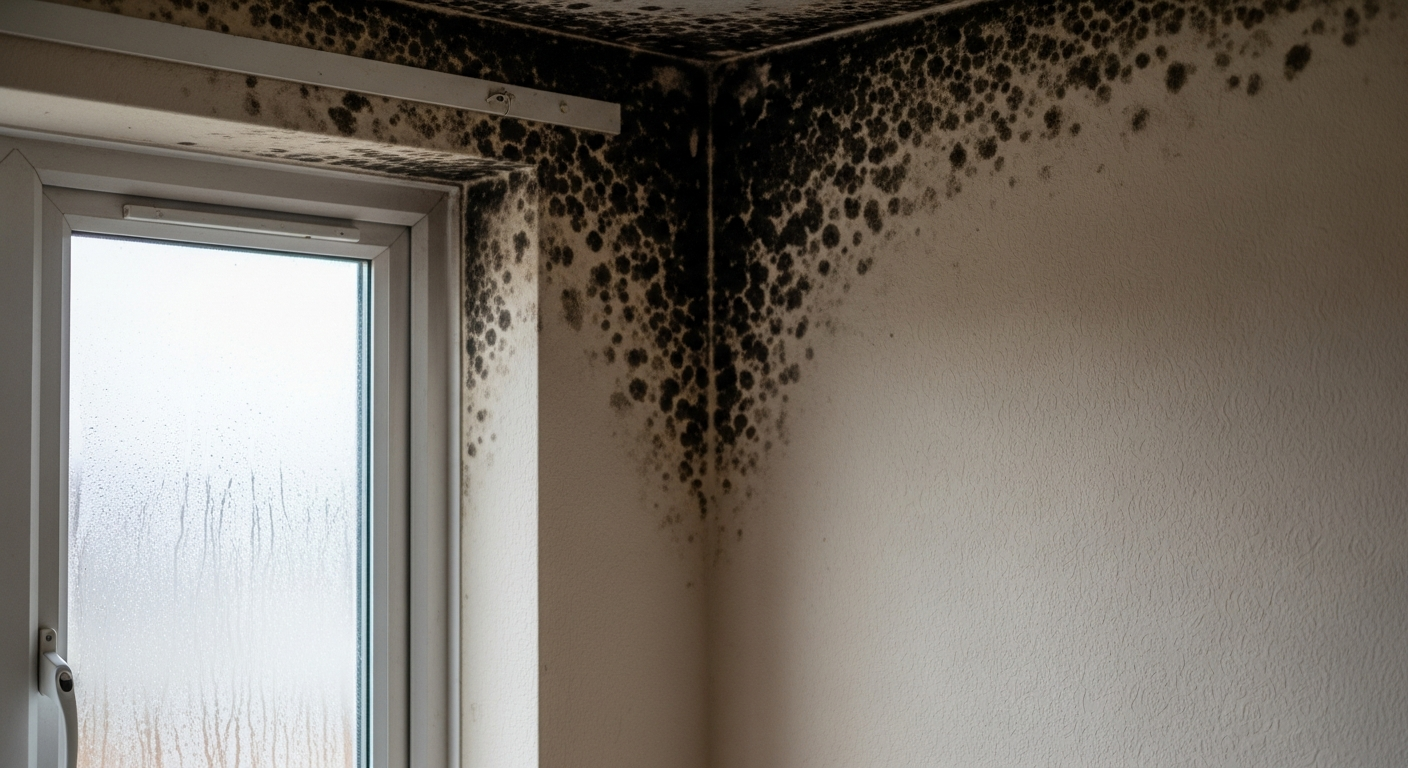
Type of damp: The cause of damp has the biggest influence on price. Condensation damp is the cheapest to fix — often requiring improved ventilation or anti-condensation paint. Rising damp requires injection of a chemical damp-proof course (DPC), which is more invasive and expensive. Penetrating damp sits somewhere in between, depending on the source.
Property size: Tradespeople typically price rising damp treatment per linear metre of affected wall. A small terrace with a single affected wall will cost significantly less than a large detached house requiring treatment on multiple elevations.
Extent of damage: If damp has been left untreated, plaster will need to be hacked off, dried out, and replaced with sand-and-cement render and a salt-resistant finishing coat before redecoration. This replastering work can add £500–£1,500 to the total. See our Walls & Plastering Guide for what replastering involves.
Basement or below-ground areas: Tanking a basement or cellar to prevent water ingress is a specialist job that commands a premium — typically far above standard wall treatment costs. Our guide on how to damp proof a basement covers the options in detail.
Access and disruption: Walls partially blocked by fitted furniture, built-in cupboards, or radiators that need removing before work can start will increase labour time and cost. Factor in day rates for any additional trades required.
Guarantee and survey requirements: Most reputable damp-proofing specialists include a structural survey and written guarantee (often 20–30 years) in their quote. Some mortgage lenders require a specialist report. Paying for an independent survey separately before committing to a contractor is money well spent.
UK Average Cost Breakdown
| Task | DIY Cost | Trade Cost | Notes |
|---|---|---|---|
| Condensation damp fix (ventilation, anti-condensation paint) | £50–£150 | £200–£500 | Often DIY-viable; extractor fans add to cost |
| Chemical DPC injection (rising damp, per linear metre) | £10–£20/m | £40–£80/m | Typical semi-detached wall run: 8–12 metres |
| Full rising damp treatment (average semi-detached) | £150–£350 | £800–£1,500 | Includes DPC injection; excludes replastering |
| Replastering after damp treatment (per room) | £100–£250 | £500–£1,200 | Must use salt-resistant render; allow full drying time |
| Penetrating damp repair (repointing, sealing, rendering) | £80–£200 | £300–£900 | Depends on extent; often involves external brickwork |
| Basement tanking (internal, per m²) | £20–£40/m² | £70–£150/m² | Highly technical; trade recommended |
| Independent damp survey | N/A | £200–£400 | Worthwhile before committing to major works |
DIY vs Tradesman — Is It Worth It?
Whether DIY is appropriate depends entirely on the type of damp. Condensation damp — the most common type — is frequently DIY-viable. Improving ventilation, sealing draughty windows, and applying anti-condensation paint are tasks most homeowners can manage safely. If condensation is affecting your walls and contributing to a lingering smell, read our guide on how to get rid of damp smell for practical first steps.
Rising damp is a different matter. While DIY chemical DPC injection kits are available, correctly identifying rising damp — as opposed to condensation or penetrating damp — requires experience and often a moisture meter. Misdiagnosis is common, and treating the wrong cause wastes money. The British Wood Preserving and Damp-Proofing Association (BWPDA) recommends that rising damp treatments are carried out by qualified specialists to ensure the guarantee is valid. If you need to understand the difference between damp types before deciding, our guide on rising damp vs condensation explains the key distinctions.
Penetrating damp caused by a failed window seal or poor pointing is often DIY-fixable at the source. See our guide on how to replace a window seal if water ingress is coming through glazing. For structural or basement damp, always use a qualified specialist — the risks of getting it wrong far outweigh the saving.
Regional Price Variations
Labour rates for damp-proofing work vary noticeably across the UK. In London and the South East, expect trade quotes to sit at the upper end of published ranges — day rates for specialist contractors can be 20–40% higher than in the Midlands or the North. Scottish and Welsh rural areas may also see higher costs due to limited specialist availability and travel time factored into quotes. As a general rule, obtain at least three quotes from local contractors to establish what the going rate is in your area, rather than relying solely on national averages.
How to Get the Best Price
- Get a minimum of three written quotes from specialist damp-proofing contractors — not general builders — so you can compare scope of work, not just headline price.
- Pay for an independent damp survey from a surveyor with no financial interest in the remediation work before inviting contractors to quote. This prevents unnecessary or over-specified treatments being recommended.
- Ask each contractor whether their quote includes replastering and redecoration, or whether those are separate. Quotes that exclude follow-on work often look cheaper but end up costing more overall.
- Check whether any contractor is a member of the Property Care Association (PCA), the main UK trade body for damp specialists. Membership requires adherence to industry standards and includes access to insurance-backed guarantees.
- Avoid booking work in autumn or early winter when demand peaks — spring and summer slots may attract shorter lead times and more competitive pricing from contractors managing quieter order books.
What a Good Quote Should Include
- A written diagnosis of the damp type and cause — not just a recommendation for treatment.
- A clear scope of works detailing exactly which walls or areas are being treated, the method (e.g. chemical DPC injection), and the products being used.
- Confirmation of whether replastering, rendering, or redecoration is included, with a separate line cost if applicable.
- Details of the guarantee: length, what it covers, and whether it is insurance-backed so it remains valid if the company ceases trading.
- Total cost inclusive of VAT, with a payment schedule — reputable contractors do not ask for full payment upfront.
Hidden Costs to Watch For
- Replastering not included: Many damp-proofing quotes cover the chemical treatment only. The cost of hacking off damaged plaster, applying salt-resistant render, and skimming a finish coat can add hundreds to the final bill and is frequently quoted separately — or not mentioned at all.
- Structural repairs uncovered during work: Once plaster is removed, contractors sometimes identify additional issues such as failed mortar, spalled brick, or rot in embedded timbers. These are legitimate findings but can push costs significantly higher than the original quote.
- Redecorating after treatment: Walls need to dry fully before paint or wallpaper is applied — typically several months. If you plan to redecorate immediately after treatment, budget for the decorator’s return visit separately.
- Additional ventilation works: Where condensation is a contributing factor, a contractor may recommend extractor fans, positive input ventilation (PIV) units, or airbricks to be installed or cleared. These are often quoted as extras.
Frequently Asked Questions
How much does it cost to damp proof a house in the UK?
A typical damp-proofing treatment in the UK costs between £800 and £2,500 depending on the type of damp, the size of the affected area, and whether replastering is included. Condensation fixes are cheaper; rising damp treatments cost more.
Can I damp proof my house myself?
Condensation damp can often be tackled DIY through improved ventilation and anti-condensation paint. Rising damp and structural penetrating damp are best left to qualified specialists, as incorrect diagnosis or treatment can make the problem worse and invalidate any guarantee.
How long does damp proofing last?
A professionally installed chemical damp-proof course is typically guaranteed for 20–30 years by reputable contractors. The guarantee should be insurance-backed to remain valid if the company closes. Surface treatments and sealants have shorter lifespans and will need periodic renewal.
Does damp proofing add value to a house?
Treating damp prevents further structural deterioration and removes a significant red flag for buyers and mortgage lenders. While it may not directly increase the asking price, untreated damp can significantly reduce a buyer’s offer or cause a sale to fall through entirely.
Do I need to replaster after damp proofing?
In most cases, yes. Once a chemical DPC is injected, the existing salt-contaminated plaster must be removed and replaced with a specialist sand-and-cement render before a finishing coat is applied. This is essential — normal plaster will not adhere properly or prevent salt from reappearing.
Ask your contractor to leave a moisture meter reading log at the start and end of the job — this gives you a baseline to verify the treatment has worked and is useful evidence if a guarantee claim is ever needed. Walls treated for rising damp can take six months to a year to fully dry out, so do not redecorate until readings confirm acceptable moisture levels.
Sources
- Which? — Damp proofing costs and how to find a reliable trader — which.co.uk
- Property Care Association — Damp proofing guidance for homeowners — property-care.org
- HSE — Biocidal products and safe use of damp-proofing chemicals — hse.gov.uk
This guide is for general information only. Always work safely and follow manufacturer instructions. DIYnut accepts no liability for injury or damage arising from DIY work.