Insulation & Damp: Complete UK DIY Guide 2026
Insulation & Damp: Complete UK DIY Guide 2026
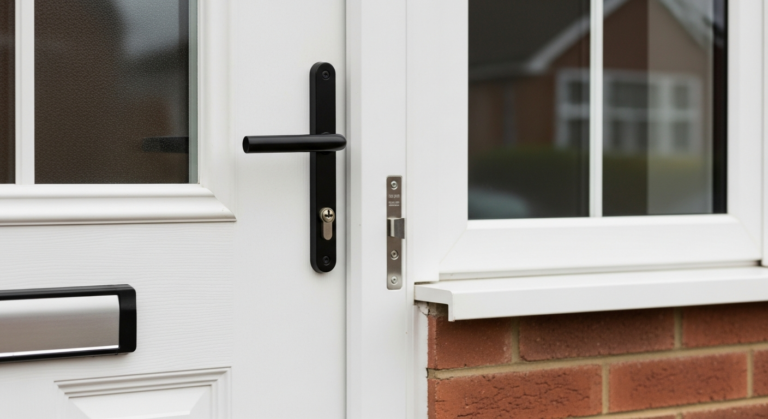
Poor insulation and damp are two of the biggest causes of cold homes and high energy bills in the UK — and most of it is fixable without calling a tradesman. This guide covers the essentials: Draught Proofing to stop heat escaping through gaps and gaps you didn’t even know existed, Loft Insulation to keep warmth where it belongs, and Damp & Condensation so you know what you’re actually dealing with before reaching for the mould spray.
Browse Insulation & Damp Guides
Damp Control
Wall Insulation
Common Problems
Seasonal Maintenance
Trade vs DIY
Frequently Asked Questions
How do I tell the difference between condensation, rising damp, and penetrating damp?
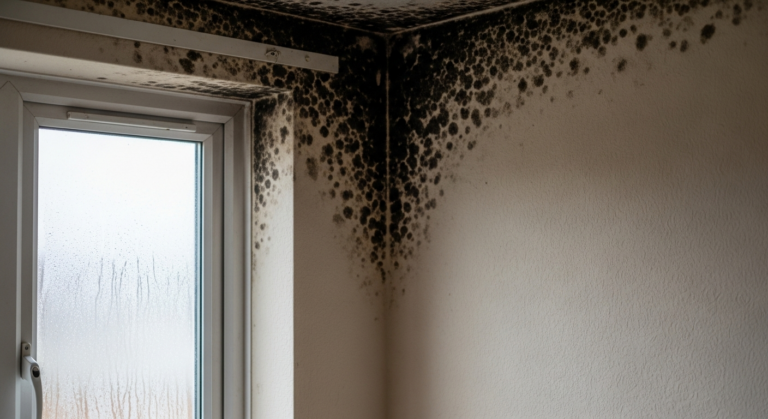
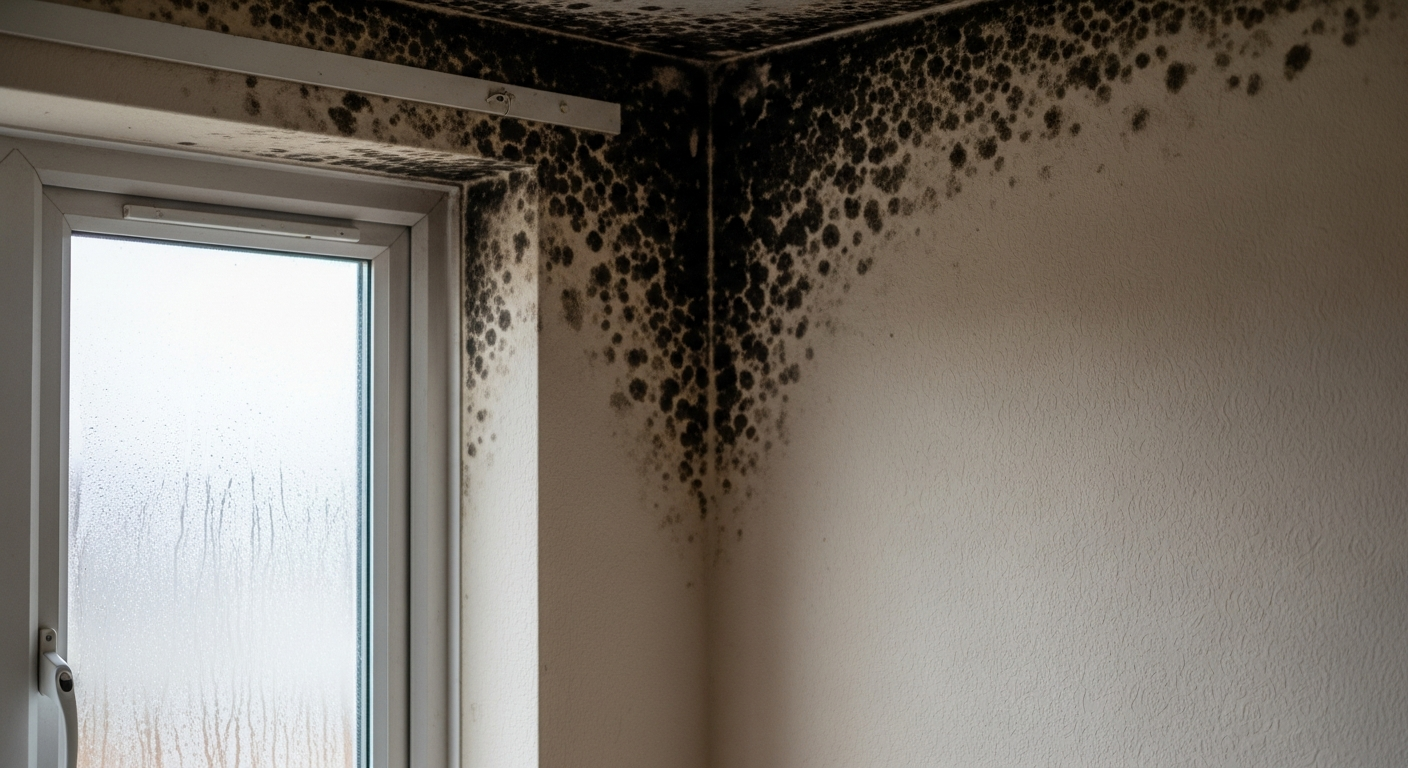
Condensation typically appears on cold surfaces like windows and external walls, especially in bathrooms and kitchens during winter — it’s caused by moisture in the air hitting a cold surface. Rising damp usually shows as a tide mark on a ground-floor wall up to around one metre high, often with white salt deposits. Penetrating damp follows rainfall patterns and tends to appear in patches on walls or ceilings directly linked to an external defect like a broken gutter, cracked render, or failed pointing.
What’s the recommended loft insulation depth in the UK?
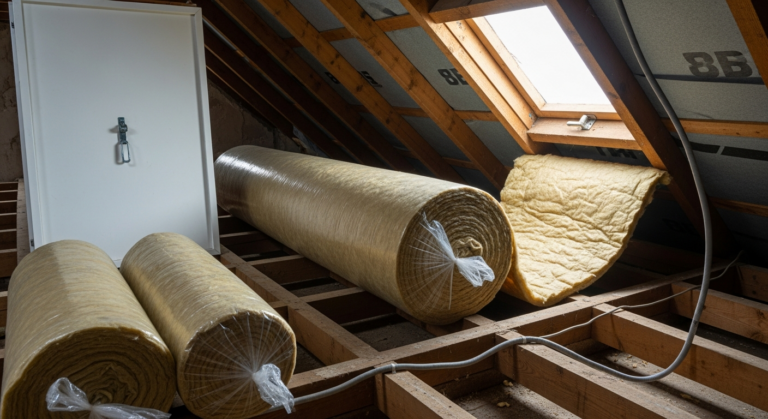
Current UK guidance recommends a minimum of 270mm of mineral wool insulation in your loft — 100mm between the joists and 170mm laid across them at right angles. Many older homes still have just 100mm or less, which falls well short of modern standards and is costing you on every heating bill. Topping up existing insulation is a quick win and costs very little if you do it yourself.
Can I draught-proof a chimney I no longer use?
Yes, and it’s well worth doing — an open chimney is essentially a direct hole to the outside and can account for a significant heat loss in a room. A chimney balloon or draught excluder fitted inside the flue just above the fireplace opening is an easy DIY fix costing around £20–£30. Just make sure it’s clearly labelled so nobody lights a fire with it in place, and remove it if you ever use the chimney again.
Will improving ventilation really fix condensation, or do I need to insulate too?
In most UK homes with a condensation problem, better ventilation makes the biggest difference — extractor fans in the kitchen and bathroom that actually vent to outside (not just recirculate) remove moisture at source before it can cause problems. Insulation helps by keeping wall surfaces warmer so condensation is less likely to form, but ventilation tackles the root cause. For persistent issues, trickle vents in window frames and positive input ventilation (PIV) units are worth considering.
Is loft insulation worth doing if I have a flat roof or a room in the roof?
A standard cold loft is the easy case — a warm roof or room-in-roof is significantly more complex and usually requires rigid insulation boards or spray foam installed by someone who knows what they’re doing. Getting it wrong can cause condensation within the roof structure, leading to timber decay that’s expensive to fix. Get a proper assessment before attempting any insulation work in these situations, as the approach is entirely different to a standard loft.
- GOV.UK — Energy efficiency schemes (ECO4) — gov.uk
- HSE — Asbestos in insulation — hse.gov.uk
Get the Full Guide with DIYnut AI
Photograph your space, tell the app what you want, and get an AI-generated after image, full materials list, and step-by-step guide in seconds.