Summer Damp Prevention
Insulation & Damp › Insulation & Damp
Summer Damp Prevention
Stop damp taking hold before autumn by acting during the dry summer months.
Summer damp prevention means sealing external gaps, improving ventilation, and checking for hidden moisture before wetter weather arrives. Tackling these tasks in summer gives sealants and treatments time to cure properly while conditions are dry and warm.

Why This Season Matters
Summer gives you a narrow but valuable window to address damp vulnerabilities while the building fabric is dry and temperatures are high enough for sealants, renders, and treatments to cure correctly. Applying waterproofing products to damp or cold surfaces drastically reduces their effectiveness, so acting now means you are working with conditions rather than against them.
Many damp problems that appear in autumn and winter actually originate from defects that go unnoticed during summer — cracked render, failed window seals, and blocked air bricks all allow water ingress once rain returns. Identifying and fixing these now, while surfaces are accessible and dry, is far more cost-effective than dealing with established damp later. See our Insulation & Damp Guide for a full overview of the problem types you may encounter.
Your Complete Checklist
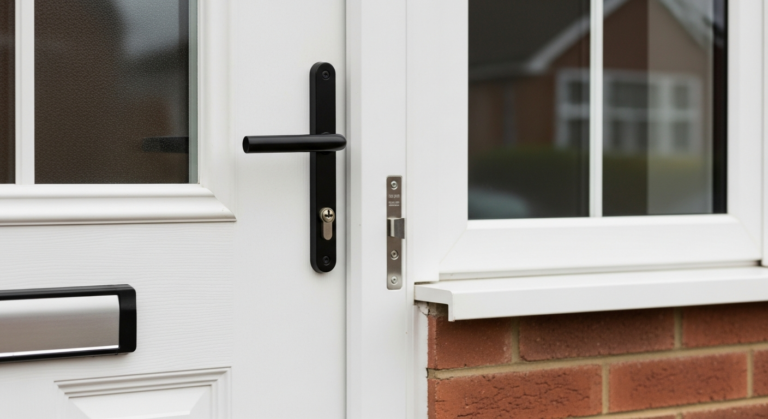
- Inspect and seal any leaking windows — check silicone beads around frames for cracks or gaps
- Check external render for cracks and re-render damaged sections before autumn rain arrives
- Clear and test all gutters, downpipes, and drainage channels to prevent overflow against walls
- Inspect and replace failed window seals on double-glazed units showing condensation between panes
- Check all air bricks and underfloor vents are clear of debris and vegetation
- Inspect the loft space for signs of condensation, staining, or inadequate insulation using our Loft Insulation Depth Guide
- Check basement and cellar walls for efflorescence or tide marks and plan basement damp proofing works
- Test bathroom and kitchen extractor fans — replace or repair any that are underperforming
- Inspect wall cavities — look for signs of cavity wall tie failure or bridging that could allow moisture transfer
- Fill any hairline cracks in internal or external walls before they allow water ingress
- Check the condition of pointing on brickwork and repoint any deteriorated mortar joints
- Investigate any persistent damp smells in rooms — summer warmth makes trapped moisture easier to detect by smell
Step-by-Step for Each Task
Sealing windows and external frames: Start by removing all old, cracked, or lifting silicone from window frames using a trimming knife and silicone remover. Clean the surface thoroughly and allow it to dry completely — this is critical in summer when surfaces dry quickly. Apply a fresh bead of low-modulus neutral-cure silicone in one continuous pass, then tool it smooth with a wet finger or a caulking tool. Do not stretch the bead or start and stop mid-run as this creates weak points. Allow 24 hours before exposure to rain.
Checking and clearing air bricks: Locate all air bricks on the external walls at low level — typically one every 1.5–2 metres on older properties. Probe each opening with a screwdriver to clear any soil, debris, or paint blockage. On the inside, check the corresponding vent in the floor or wall is not covered by carpet, insulation, or furniture. Blocked sub-floor ventilation is a leading cause of timber floor rot and rising damp. If air bricks are cracked or missing, replace them like-for-like before autumn.
Inspecting and addressing loft condensation: On a warm summer day, enter the loft and look for dark staining on rafters, felt, or insulation — these are signs of winter condensation that has dried out but will return. Check that all eaves vents are unblocked and that insulation has not been pushed into the eaves, restricting airflow. If insulation is below recommended depth, plan a top-up — check the Loft Insulation Depth Guide for current standards. Ensure any pipework in the loft is lagged and that the loft hatch is well insulated.
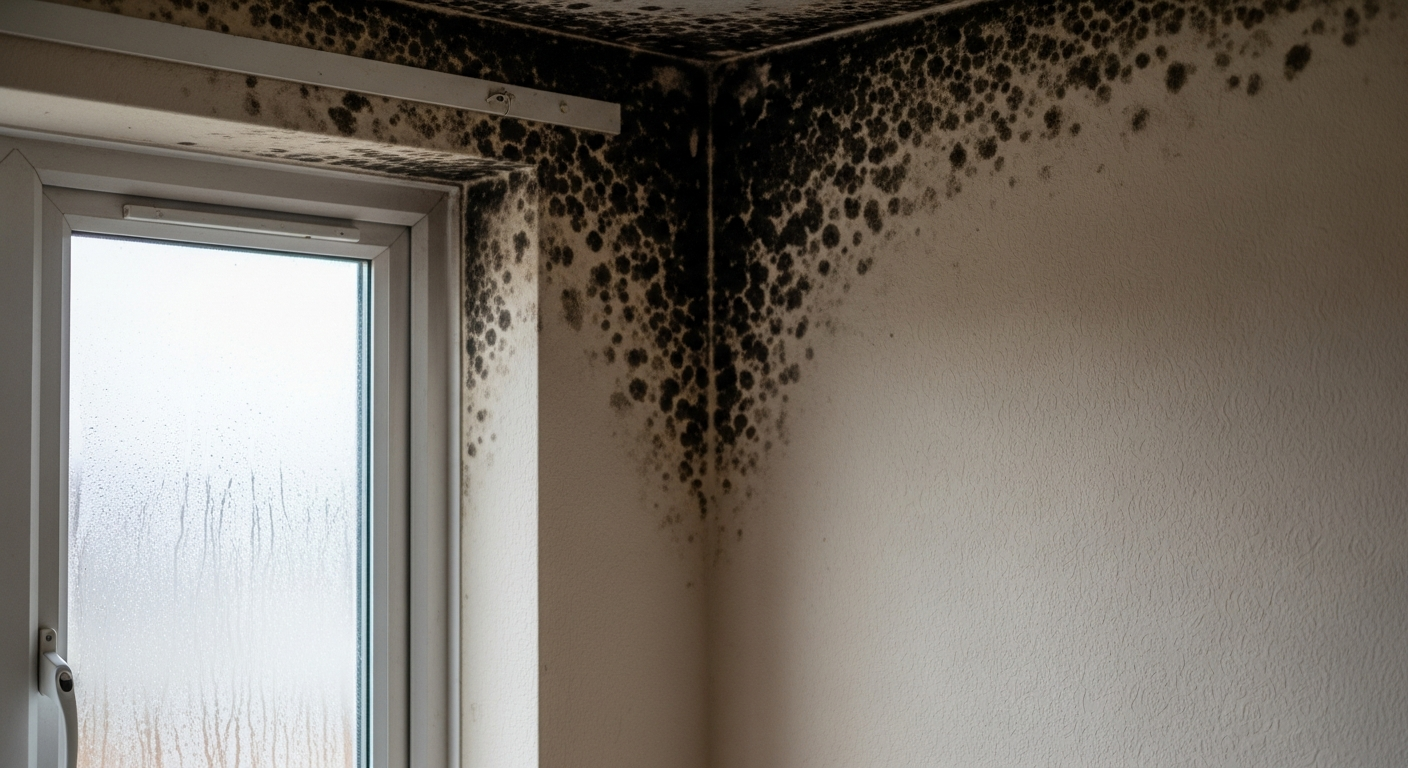
Investigating damp smells in rooms: In summer, rooms that harbour damp often reveal themselves through musty odours that are less obvious in winter when windows are shut. Open windows fully and note which rooms smell worse when aired — this points to moisture trapped in walls, floors, or behind furniture. Move furniture away from external walls and check for black mould specks or tide marks. Use a damp meter if available to identify the wettest areas. Distinguishing between rising damp and condensation will determine the correct fix.
Tools and Materials You’ll Need
- Low-modulus neutral-cure silicone sealant (clear or white)
- Silicone remover / solvent
- Trimming knife and spare blades
- Caulking gun
- Wire brush for clearing mortar joints and air bricks
- Pointing mortar or ready-mix repointing compound
- Damp meter / moisture meter
- External masonry waterproofer or cream
- External crack filler (flexible, paintable)
- Replacement air bricks (terracotta or plastic, matching existing size)
- Loft insulation (mineral wool rolls for top-up)
- Pipe lagging foam
- Torch and inspection mirror (for loft and sub-floor checks)
- Stiff scrubbing brush and bucket
- Safety glasses and dust mask (for loft work)
Common Mistakes to Avoid
- Sealing over damp surfaces: Applying silicone or waterproof coatings to walls or frames that still hold moisture traps water behind the treatment and accelerates deterioration — always confirm surfaces are genuinely dry before sealing.
- Blocking sub-floor ventilation with insulation: Pushing floor insulation right into the eaves or against air brick openings stops the airflow that prevents timber rot; always leave a clear 50 mm air gap at eaves level.
- Painting over mould without treating it first: Covering black mould with standard paint does not kill it — use a fungicidal wash first, allow it to work for the stated contact time, then address the underlying moisture source before decorating. Our guide on fixing black mould on walls covers the correct process.
- Assuming summer means no condensation risk: Warm humid summer air contains more moisture than cold winter air — when it meets cooler surfaces such as north-facing walls or cold water pipes, it condenses. Summer is a good time to improve ventilation rather than assume the problem has gone away.
- Ignoring hairline cracks in external render: Small cracks in render can absorb and hold significant amounts of rainwater through capillary action; left unsealed over summer, they will allow deep moisture penetration once autumn rain arrives. Fill them now with a flexible external filler and check the guide to fixing hairline cracks for technique.
Frequently Asked Questions
Can damp really get worse in summer in the UK?
Yes — warm, humid summer air holds more moisture than cold air, and when it contacts cooler wall surfaces or enters poorly ventilated roof spaces, it condenses and causes damp. Summer is also when vegetation growth can block air bricks and drainage, making underlying problems worse.
When is the best time to apply external waterproofing products?
Most external masonry waterproofing products specify a minimum surface temperature of around 5–10°C and require dry conditions for 24–48 hours after application. June to August in the UK typically offers the best combination of dry surfaces, warm temperatures, and low rainfall risk.
How do I know if I have rising damp or condensation damp?
Rising damp typically shows as a tide mark at low level on walls, often with salt deposits (efflorescence) and damage confined below one metre. Condensation damp tends to appear higher up walls and on surfaces such as window reveals and ceilings. Our guide on rising damp vs condensation explains the differences in detail.
Should I use a dehumidifier in summer to prevent damp?
A dehumidifier can help in rooms that are consistently humid — such as kitchens, bathrooms, and basement rooms — but it treats the symptom rather than the cause. Improving ventilation and sealing entry points for moisture will always be more effective in the long term.
Do I need to tell my insurer if I find damp in my home?
You are not generally required to notify your insurer about damp unless it is caused by a sudden event such as a burst pipe. However, long-term damp that results in structural damage may affect a claim if it is found to have been a pre-existing condition you were aware of, so it is worth documenting and addressing it promptly.
When checking for window seal failure in summer, hold a sheet of thin tissue paper around the frame perimeter on a breezy day — even a failing seal with no visible gap will cause the tissue to flutter. This finds air leaks that a visual check alone misses, and where air gets in, water follows.
Sources
- HSE — Damp and mould in the home: health effects and guidance — hse.gov.uk
- Which? — How to deal with damp in your home — which.co.uk
- gov.uk — Energy efficiency: loft and cavity wall insulation — gov.uk
This guide is for general information only. Always work safely and follow manufacturer instructions. DIYnut accepts no liability for injury or damage arising from DIY work.