
Fit a New Kitchen: Trade vs DIY
Fitting a new kitchen is DIY-able for the carpentry and basic plumbing, but electrics and gas must be handled by qualified tradespeople. Expect to pay £1,500–£5,000 for a full professional fit, or £500–£1,500 in DIY labour savings if you have the skills.

The DIY Option
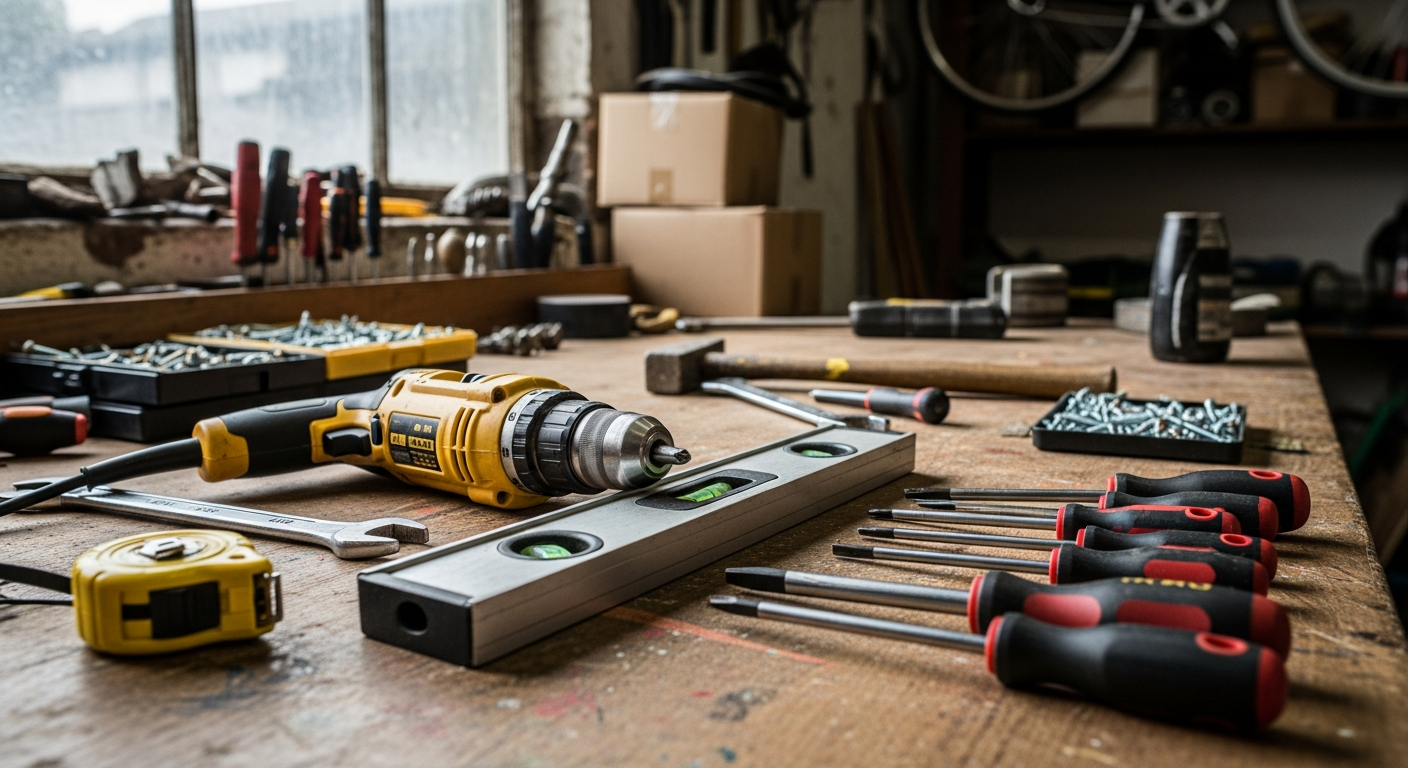
Fitting a new kitchen yourself is achievable if you have solid carpentry skills, a methodical approach, and a full week to spare — most single kitchens take an experienced DIYer five to eight days from strip-out to final finish. You will need a reasonable toolkit: a spirit level, mitre saw, jigsaw, router, power drill, pipe cutter, and adjustable spanners are the core requirements. Hiring specialist tools such as a worktop jig or router guide costs £30–£60 per day from most tool-hire outlets. DIY labour savings typically run to £500–£1,500 depending on kitchen size and complexity. The main risks are poorly levelled carcasses (which cause every door and drawer to hang incorrectly), incorrect worktop cuts that cannot be reversed, and water damage from poorly connected plumbing. Basic cold-water plumbing — connecting the sink waste and supply — is DIY-legal and manageable with care; a useful starting point is our Plumbing Guide. You must not, however, touch gas pipes or carry out notifiable electrical work yourself. Materials — carcasses, doors, worktops, and hardware — are entirely separate from labour costs and must be budgeted on top of any figures quoted here.
The Trade Option
A kitchen fitter coordinates the strip-out of the old kitchen, installation of carcasses, fitting of doors and drawers, cutting and joining worktops, and connection of the sink. For a full installation they typically work alongside — or subcontract — a Gas Safe registered engineer (for cooker connections), a Part P-registered electrician (for new or altered circuits), and sometimes a plumber. Labour-only costs for a professional kitchen fit range from £1,500 to £5,000 depending on kitchen size, number of units, and regional rates; London and South East costs sit at the upper end. Always obtain at least three quotes and check that any electrician is Part P registered and any gas work is carried out by a Gas Safe registered engineer — you can verify both on their respective official registers. Checkatrade and the government’s TrustMark scheme are useful starting points for finding vetted tradespeople. Ask for a written quote that itemises supply and fit separately so you can clearly compare costs.
Side-by-Side Comparison
| Factor | DIY | Trade |
|---|---|---|
| Cost (labour) | £500–£1,500 saved | £1,500–£5,000 |
| Time | 5–10 days | 3–5 days (coordinated team) |
| Skill Required | Intermediate–Advanced carpentry; basic plumbing | Professional tradespeople |
| Risk Level | Medium–High (irreversible errors possible) | Low (accountable workmanship) |
| End Quality | Good if experienced; variable otherwise | Consistently high |
| Legal Requirements | Gas Safe for gas; Part P for new/altered circuits | Must use certified Gas Safe/Part P tradespeople |
When DIY Makes Sense
- You have previous experience fitting flat-pack furniture to a high standard and are comfortable using a mitre saw and router accurately.
- The kitchen layout closely follows the existing one, meaning plumbing and electrical positions require no significant alteration or new circuits.
- You have the time to do the job properly — rushing a kitchen fit is the single biggest cause of poor results.
- You are happy to subcontract only the notifiable work (electrics and gas) to certified tradespeople whilst completing all other elements yourself, keeping overall costs down. For smaller related tasks, guides such as Fix a Leaking Kitchen Tap and Cut a Kitchen Worktop can help you handle specific elements confidently.
When You Must Use a Tradesman
- Gas connections: Any work on gas pipework or appliance connections — including connecting a gas hob or cooker — must be carried out by a Gas Safe registered engineer. This is a legal requirement under the Gas Safety (Installation and Use) Regulations 1998. Verify any engineer on the official Gas Safe Register at gassaferegister.co.uk.
- Notifiable electrical work: Installing a new circuit, or significantly altering an existing one (for example, adding a new cooker circuit or moving sockets), is notifiable work under Part P of the Building Regulations in England. It must be carried out by a Part P registered electrician or notified to your local authority building control.
- Structural alterations: If the kitchen refit involves removing walls, altering load-bearing structures, or changing the room footprint, building regulations approval and, in many cases, a structural engineer are required.
- Rented properties: Landlords in England and Wales must ensure all gas installations comply with the Gas Safety (Installation and Use) Regulations 1998, and all electrical work meets the Electrical Safety Standards in the Private Rented Sector (England) Regulations 2020.
If You DIY — Where to Start
Before you begin, review the full Kitchen Guide which covers planning, sequencing, and the specific techniques you will need at every stage. Start with a detailed room survey and a scaled drawing of your new layout — even small errors at the planning stage become expensive mistakes once carcasses are fixed to the wall. Sequence your trades early: book your electrician and Gas Safe engineer before you begin, so they can attend at the right points in the install rather than causing costly delays. If plastering or wall repairs are needed after the old kitchen is stripped, our Walls & Plastering Guide will help you prepare surfaces before cabinets go in.
Frequently Asked Questions
Can I legally fit my own kitchen in the UK?
Yes — the carpentry, general assembly, and basic cold-water plumbing are all legal for a homeowner to carry out. However, gas work must be done by a Gas Safe registered engineer, and any new or significantly altered electrical circuits must comply with Part P of the Building Regulations and be carried out or certified by a registered electrician.
How long does it take to fit a new kitchen?
A professional team typically completes a standard kitchen in three to five days. A competent DIYer working alone should allow five to ten days, depending on kitchen size, the complexity of the layout, and whether any plastering or tiling is also required.
Do I need building regulations approval to fit a new kitchen?
In most cases, like-for-like kitchen replacements do not require building regulations approval for the carpentry and plumbing. However, any new electrical circuits are notifiable under Part P, and any structural work such as removing walls always requires approval. Check with your local authority building control if you are unsure.
How much does it cost to have a kitchen professionally fitted in the UK?
Labour-only costs for a professional kitchen fit typically range from £1,500 to £5,000, depending on kitchen size, regional rates, and whether specialist trades such as electricians and Gas Safe engineers are also required. These figures exclude the cost of units, worktops, and appliances.
What tools do I need to fit a kitchen myself?
Core tools include a spirit level, mitre saw, jigsaw, router, power drill and bits, pipe cutter, adjustable spanners, and a good tape measure. Specialist items such as a worktop jig can be hired rather than purchased, which reduces upfront cost significantly.
Always fix your wall cabinets before your base cabinets — working over installed base units while hanging wall cabinets is awkward and significantly increases the risk of damaging worktops or doors. Mark your stud positions, horizontal fixing rail, and cabinet heights on the wall before any unit leaves its box.
Sources
- Which? — Cost of fitting a new kitchen — which.co.uk
- HSE — Gas Safety (Installation and Use) Regulations 1998 — hse.gov.uk
- GOV.UK — Building Regulations Part P: electrical safety in dwellings — gov.uk
This guide is for general information only. Always work safely and follow manufacturer instructions. DIYnut accepts no liability for injury or damage arising from DIY work.



