Emulsion vs Eggshell Paint
Painting & Decorating › Painting & Decorating
Emulsion vs Eggshell Paint
Choose the right finish for every room with this straightforward UK comparison.
Emulsion is a water-based paint designed for walls and ceilings, offering a matt or silk finish. Eggshell is a tougher, low-sheen paint suited to woodwork and high-traffic walls. The right choice depends on the surface, room use, and how much wear the surface will face.

What Is Emulsion Paint?
Emulsion paint is a water-based coating primarily used on interior walls and ceilings. It dries quickly, is low in volatile organic compounds (VOCs), and is available in matt, silk, and satin finishes. Matt emulsion hides surface imperfections well, making it the standard choice for living rooms and bedrooms, while silk and satin finishes offer a slight sheen and better wipe-down resistance. For a full walkthrough of applying emulsion correctly, see our guide on how to paint a room.
What Is Eggshell Paint?
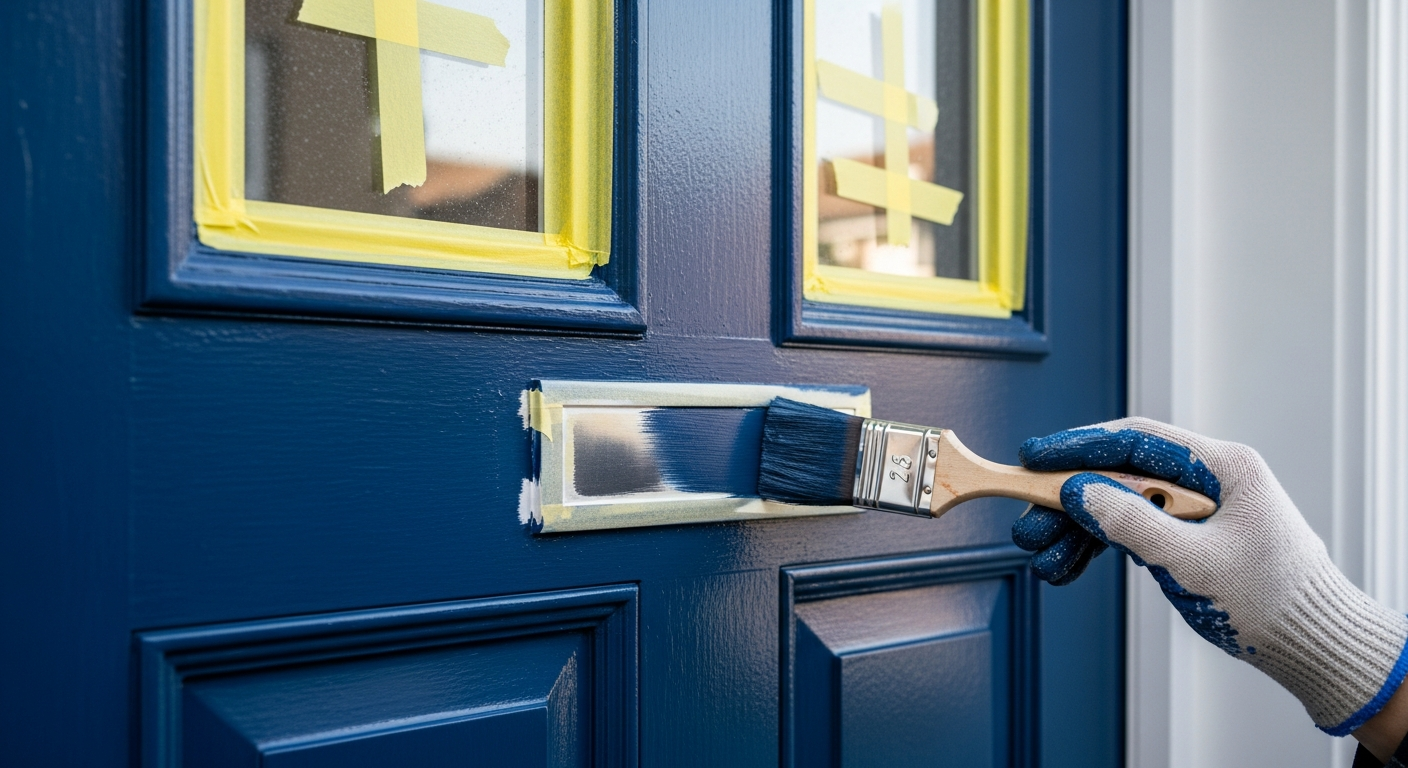
Eggshell paint sits between matt and satin on the sheen scale, producing a low-lustre finish that resembles the surface of an eggshell. It is significantly more hardwearing than standard emulsion, resisting scuffs, moisture, and grease — which makes it a popular choice for woodwork such as skirting boards, architraves, and doors, as well as for kitchen and hallway walls. Water-based eggshell formulas have largely replaced oil-based versions in DIY use, offering easier clean-up and faster drying. For step-by-step guidance on applying eggshell to timber, see our guide on how to paint skirting boards.
Side-by-Side Comparison
| Factor | Emulsion | Eggshell |
|---|---|---|
| Cost per m² | £0.50–£1.50 | £1.00–£3.00 |
| Durability | Moderate — marks easily in high-traffic areas | High — resists scuffs, moisture, and grease |
| Appearance | Matt to satin; hides imperfections well | Low sheen; subtle lustre that reflects some light |
| Install Difficulty | Easy — forgiving on walls and ceilings | Moderate — requires good prep; sheen shows brush marks |
| Maintenance | Wipe-clean only on silk/satin; matt marks more readily | Easy to wipe clean; stands up to regular washing |
| Lifespan | 3–7 years depending on finish and room use | 5–10 years on well-prepped surfaces |
Emulsion — Pros and Cons
- Lower cost per litre and per m² than eggshell
- Quick drying — typically recoatable in 2–4 hours
- Wide colour range readily available
- Matt finish conceals surface imperfections and uneven plaster
- Low odour and easy brush or roller clean-up with water
- Less resistant to scuffs and moisture than eggshell
- Matt emulsion cannot be reliably wiped down without leaving marks
- Not suitable for bare wood or metal surfaces
- May need more frequent repainting in busy hallways or children’s rooms
Eggshell — Pros and Cons
- Highly durable and resistant to knocks, moisture, and grease
- Easy to wipe clean — suited to kitchens, hallways, and bathrooms
- Works on both walls and woodwork, reducing the number of products needed
- Low sheen adds a refined, contemporary look to woodwork
- Water-based versions dry faster and smell less than traditional oil-based alternatives
- Higher cost per litre than standard emulsion
- Sheen level highlights surface imperfections — thorough prep is essential
- Requires more careful application to avoid brush marks and lap lines
- Fewer colour options at the budget end of the market
Which Is Better For…?
- Living room and bedroom walls: Emulsion wins. A matt or soft-sheen emulsion is the standard choice — it covers well, dries quickly, and hides minor plaster imperfections. See our advice on the best paint finish for walls to narrow down the sheen level.
- Hallways and stairs: Eggshell is the better option. These are high-traffic zones where walls take constant scuffs from bags and coats. Eggshell’s tougher film withstands regular wiping and holds up far longer than standard emulsion.
- Skirting boards and architraves: Eggshell. Woodwork needs a harder finish than emulsion can provide. Proper preparation — including priming — is key; see our guide on how to prep and undercoat wood before applying eggshell.
- Kitchen walls: Eggshell. Steam, cooking grease, and splashes make durability essential. Eggshell cleans without lifting the paint film, whereas matt emulsion is easily damaged by moisture.
- Ceilings: Emulsion — specifically a ceiling-grade or flat matt emulsion. Ceilings receive little direct wear and benefit from a non-reflective finish that minimises the appearance of roller texture and minor imperfections. See our guide to painting a ceiling for technique advice.
UK Cost Comparison
Budget emulsion paints typically cost £5–£10 per litre, with mid-range products running £10–£20 per litre. Coverage is generally 10–14 m² per litre on a smooth surface, putting the material cost at roughly £0.50–£1.50 per m² per coat. Eggshell paints are priced higher — typically £12–£25 per litre — with similar coverage of 10–13 m² per litre, equating to approximately £1.00–£3.00 per m² per coat. Bear in mind that eggshell’s superior durability means it is repainted less frequently, which reduces long-term cost over a 5–10 year period. If you are painting a feature wall or an accent colour, the number of coats required will also affect your total material spend — deeper colours and new plaster surfaces typically need two or more coats of either product.
Frequently Asked Questions
Can I use eggshell paint on walls instead of emulsion?
Yes. Eggshell can be applied to walls and is a popular choice for hallways, kitchens, and bathrooms where durability matters. It costs more than emulsion and requires good surface preparation because its sheen level shows imperfections more readily than matt emulsion.
Can I use emulsion paint on skirting boards or woodwork?
Emulsion is not recommended for woodwork. It lacks the hardness to withstand the knocks and cleaning that skirting boards, door frames, and architraves receive. Eggshell, satinwood, or gloss paint are the correct finishes for timber surfaces.
Is water-based eggshell as good as oil-based eggshell?
Modern water-based eggshell formulas are durable enough for most DIY applications and offer practical advantages — faster drying, lower odour, and easier clean-up. Oil-based eggshell produces a slightly harder and more self-levelling finish, but it yellows over time and takes much longer to dry.
How long does eggshell paint last compared to emulsion?
On well-prepared surfaces, eggshell typically lasts 5–10 years before needing repainting. Standard emulsion on walls lasts 3–7 years depending on the finish and the room’s level of use.
Do I need a primer before applying emulsion or eggshell?
New or freshly plastered walls should be sealed with a diluted mist coat of emulsion before the full coat is applied. Bare wood painted with eggshell should always receive a suitable primer or undercoat first to improve adhesion and prevent the topcoat from soaking in unevenly.
When applying water-based eggshell to woodwork, work in a room temperature above 10°C and keep a wet edge at all times — stopping mid-panel causes a visible lap line once the paint dries. Lightly sanding with 240-grit between coats produces a noticeably smoother final finish than skipping this step.
Sources
- Which? — Guide to types of paint and paint finishes — which.co.uk
- HSE — VOCs and indoor air quality guidance for decorating — hse.gov.uk
- Checkatrade — Cost of painting a room in the UK — checkatrade.com
This guide is for general information only. Always work safely and follow manufacturer instructions. DIYnut accepts no liability for injury or damage arising from DIY work.