How to Fix No Hot Water – DIY Guide
Fix no hot water by checking boiler pressure, pilot light, thermostat settings, and the diverter valve. Reset the boiler, repressurise to 1–1.5 bar, and check the programmer is set correctly. Many faults are DIY-fixable in under an hour.


Check the Thermostat and Programmer Settings
Confirm the hot water programme is switched on and the cylinder or boiler thermostat is set between 60°C and 65°C — lower than this and thermostatic controls may prevent the burner from firing altogether. Check both the room thermostat and any separate hot water thermostat on a cylinder. A tripped or incorrectly set programmer is one of the easiest fixes: the system thinks it is satisfying a demand when it is not.
Inspect the Pilot Light or Ignition
On older boilers with a standing pilot light, check whether the flame is lit. A blown-out pilot light is a straightforward relight following the manufacturer’s instructions printed on the boiler casing. On modern boilers with electronic ignition, a fault code on the display will indicate an ignition failure — note the code and look it up in the manual or on the manufacturer’s website before proceeding. Do not attempt to bypass or override any gas-related component yourself: gas work must be carried out by a Gas Safe registered engineer.
Test the Diverter Valve
On a combination boiler, a faulty or sticking diverter valve is a common cause of hot water with no heating, or heating with no hot water. To test it, turn the heating off completely and run a hot tap — if the water heats up normally with heating disabled, the diverter valve is likely stuck in the heating position. A diverter valve cartridge on many combination boilers can be replaced as a DIY task on the correct model, but if you are unsure, this is the point to call a Gas Safe engineer. For system or conventional boilers, also check the boiler reset procedure before assuming a valve fault.
Check the Immersion Heater (If Applicable)
If your home uses an immersion heater rather than a gas boiler, check the isolator switch and consumer unit — a tripped circuit breaker is the most common cause of immersion heater failure. Reset any tripped breaker, then listen for the heater to click on. If the element has failed entirely, it will need replacing: check for low water pressure issues in the system at the same time, as airlocks in the cylinder feed can also prevent heating. Electrical work inside the consumer unit must comply with Part P of the Building Regulations — if in doubt, use a qualified electrician registered with a competent person scheme.
Bleed Radiators and Check the System for Airlocks
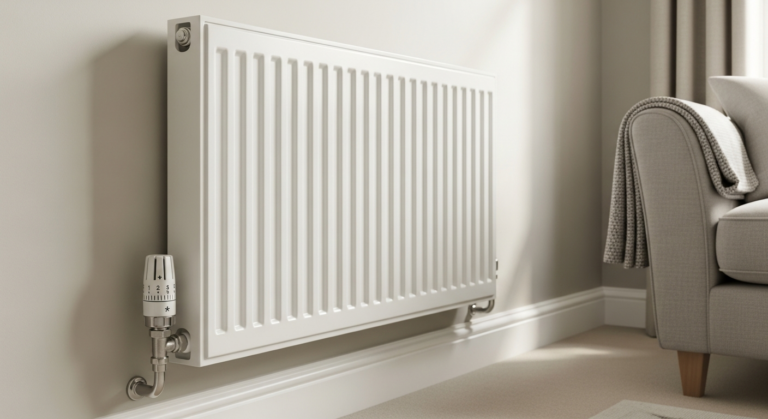
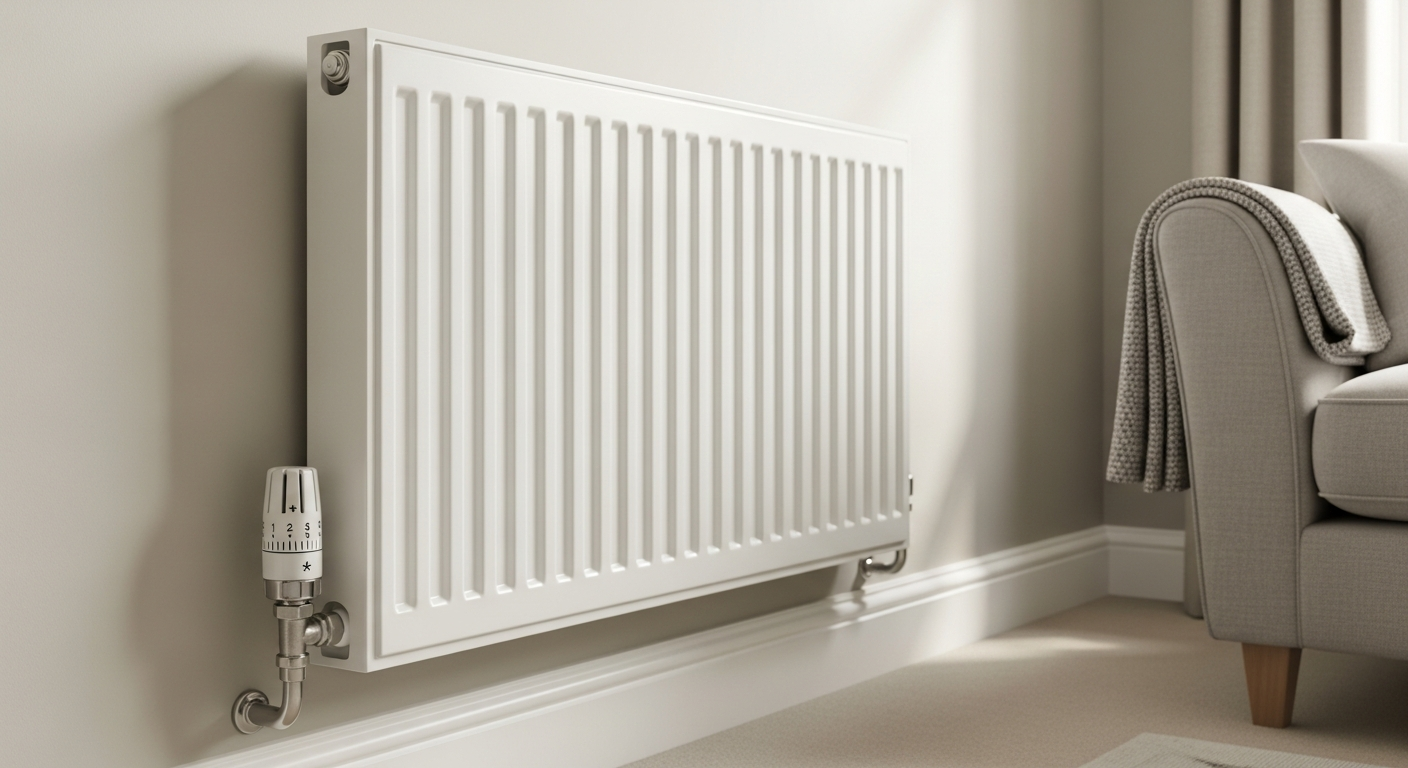
Air trapped in the system can prevent hot water from circulating properly, particularly in conventional or system boiler setups. Bleed each radiator starting on the ground floor and working upward, then check the boiler pressure again and top up if it has dropped below 1 bar. Once all air is removed, restart the boiler and allow 20–30 minutes for the system to fully reheat before concluding whether the fault is resolved.
Frequently Asked Questions
Why do I have heating but no hot water?
On a combination boiler, this almost always points to a faulty or sticking diverter valve — the component that switches the boiler’s output between the central heating circuit and the hot water circuit. On a conventional or system boiler with a separate cylinder, check the hot water programmer, cylinder thermostat, and motorised valve serving the hot water zone.
Why do I have hot water but no heating?
Again, a diverter valve fault is the most common culprit on a combination boiler. On a conventional system, check that the heating programme is active, the room thermostat is calling for heat, and that the radiator valves are open — a seized thermostatic radiator valve on every radiator will prevent heat distribution even if the boiler fires.
What boiler pressure should I repressurise to?
Repressurise to between 1 and 1.5 bar on a cold system — 1.2 bar is a safe target. When the system reaches full operating temperature, pressure will rise to around 1.5–2 bar, which is normal. If pressure consistently drops back below 1 bar within a few days, there is a leak somewhere in the system that needs locating.
Is no hot water a Gas Safe issue or can I fix it myself?
Many causes of no hot water — low pressure, programmer settings, tripped electrics, airlocks, thermostat adjustment — are entirely DIY-safe. You must not touch gas pipework, the burner, gas valve, or any sealed gas component: these are legally restricted to Gas Safe registered engineers. If your boiler smells of gas, leave the property and call the National Gas Emergency Service on 0800 111 999 immediately.
How long does it take for hot water to come back after repressurising?
After repressurising and resetting the boiler, allow 20–30 minutes for the system to fully reheat. A combination boiler will produce hot water almost immediately once it fires, while a conventional cylinder system may take 30–60 minutes to heat a full tank depending on cylinder size and boiler output.
Before calling an engineer, photograph or note the exact fault code showing on the boiler display — most modern boilers log the last five faults in a diagnostic menu accessible by holding the reset button. This gives an engineer an instant diagnosis and can cut the callout time by half.
Sources
- Gas Safe Register — What is a Gas Safe registered engineer? — gassaferegister.co.uk
- HSE — Gas safety in the home — hse.gov.uk
- Which? — Boiler pressure: how to repressurise your boiler — which.co.uk
Safety Notice: Electrical and plumbing work can be dangerous if done incorrectly. In the UK, certain electrical work must comply with Part P of the Building Regulations and certain plumbing work with Part G. If in doubt, consult a qualified electrician (NICEIC/NAPIT registered) or plumber (CIPHE/WaterSafe registered). This guide is for general information only — it is not a substitute for professional advice.