How to Fix a Burst Pipe – DIY Guide
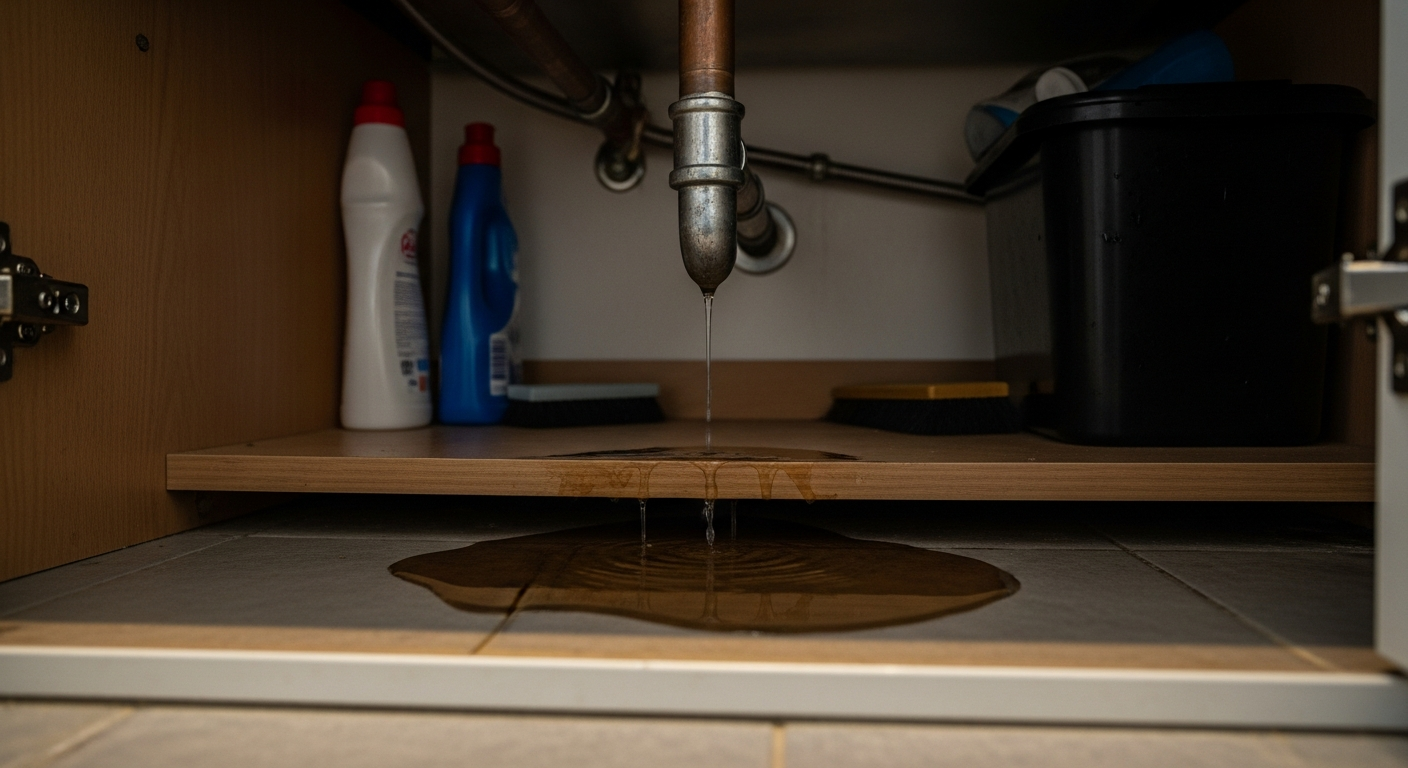
To fix a burst pipe, turn off the water supply immediately, drain the affected pipe, then repair using a slip coupling, push-fit repair connector, or pipe repair clamp depending on pipe material and access. Restore water and check for leaks.


- Adjustable spanner
- Pipe cutter or hacksaw
- Bucket
- Pipe slice
- Deburring tool
- Measuring tape
- Towels or absorbent cloths
- Push-fit repair connector (correct pipe diameter)
- Slip coupling
- Pipe repair clamp
- PTFE tape
- Copper or plastic pipe offcut (matching diameter)
- Pipe insulation lagging
- Leak sealant tape (self-amalgamating)
Step-by-Step Guide
Turn Off the Water Supply Immediately
Locate your stopcock — usually under the kitchen sink or where the supply enters the property — and turn it clockwise until it stops. If you cannot find it, use the external stop valve in the pavement. Open a cold tap downstairs to drain pressure from the pipes. Acting within the first minute limits water damage significantly. If you are unsure where your stop valve is, our guide on how to turn off your water supply covers every type of valve you may encounter.
Isolate the Damage and Dry the Area
Place towels and a bucket beneath the burst section to collect residual water. If the burst is in a ceiling void or floor cavity, you may need to lift boards or cut access. Once drainage has slowed, dry the pipe surface thoroughly with a cloth — no repair product bonds reliably to a wet pipe. Check nearby joists and floorboards for water saturation and set them to dry before closing up.
Assess the Pipe and Choose Your Repair Method
Identify whether the pipe is copper or plastic (most modern installs use 15 mm or 22 mm diameter). A clean split along a straight run suits a push-fit slip coupling or a soldered slip coupler. A pinhole or hairline crack on an accessible section can be temporarily bridged with a self-amalgamating tape wrap or a pipe repair clamp. Severely corroded or badly deformed pipe should be cut out and replaced — do not try to clamp a section that is structurally compromised. If the pipe joint itself is the source, see our guide to fixing a leaking pipe joint before proceeding.
Cut Out the Damaged Section
Mark 20–25 mm either side of the burst to ensure you are working on clean, undamaged pipe. Use a pipe cutter or hacksaw to make square, burr-free cuts. A pipe cutter gives a cleaner edge on copper; a pipe slice works well in restricted spaces. Deburr the cut ends inside and out with a deburring tool or fine file — any sharp edge will prevent a push-fit connector from seating correctly and will cause ongoing leaks.
Fit the Repair Connector or Slip Coupling
For a push-fit repair: slide the connector onto one pipe end, ensuring the pipe inserts past the O-ring to the depth marker, then pull the second pipe end into the other socket until you feel resistance. Give each end a firm tug to confirm it is locked. For a compression slip coupling on copper: slide the back nut and olive onto each pipe end, insert the coupling body, tighten finger-tight then a further one-and-a-quarter turns with a spanner — do not overtighten. Wrap compression olive threads with PTFE tape if working with older or slightly irregular pipe. Pipe repair clamps should be positioned centrally over the damage and tightened evenly across both bolts.
Restore Water and Test for Leaks
Turn the stopcock back on slowly — a quarter turn at a time — and watch the repair site for five full minutes before declaring it sound. Run the affected taps to purge air from the line. Any weeping at a push-fit joint means the pipe is not fully inserted; any weeping at a compression joint means the olive needs a further half-turn. Once confirmed dry, wrap exposed pipe with foam insulation lagging to reduce the risk of a repeat freeze-related burst, particularly if the pipe runs near an external wall or in an unheated loft space.
Frequently Asked Questions
Can I fix a burst pipe myself without a plumber?
Most burst pipe repairs on domestic supply pipes are legal DIY work in England and Wales. Push-fit and compression fittings require no specialist tools or licences. However, if the burst involves a gas pipe, underfloor heating manifold, or any connection to a combi boiler’s primary circuit, call a qualified professional — do not attempt these yourself.
What causes pipes to burst in the UK?
The most common cause is freezing: water expands by roughly 9% when it turns to ice, which splits the pipe wall. Other causes include corrosion on older copper pipes, physical damage from drilling or impact, and excess water pressure. Pipes in loft spaces and external walls are most vulnerable during cold spells.
How do I stop a burst pipe temporarily while I get parts?
Wrap the split section tightly with self-amalgamating silicone tape — overlap each layer by at least 50% and apply firm tension as you wrap. A pipe repair clamp bolted over the damage also works as a short-term fix. Both methods buy you time but are not permanent solutions; replace with a proper fitting as soon as possible.
Should I call my insurer before starting repairs?
Yes — photograph the damage, the water ingress, and any affected areas before you touch anything. Most home insurance policies cover escape of water, but insurers may require evidence of the cause and extent of damage before a burst. Temporary repairs to prevent further damage are generally acceptable, but document everything first.
How do I prevent pipes from bursting again?
Insulate all pipes in unheated areas such as lofts, garages, and external wall cavities using foam lagging. Keep the heating on a low setting (at least 12–15°C) during cold spells, even when the property is unoccupied. If you go away in winter, insulating your pipes properly before you leave is the single most effective precaution you can take. The Energy Saving Trust also recommends draining the system entirely if the property will be unoccupied for an extended period.
When fitting a push-fit connector to copper pipe that has been cut with a hacksaw, always fit a pipe insert support sleeve inside the pipe end before inserting it into the fitting — without it, the fitting grabs the outer surface only and will creep under sustained pressure. This step is frequently skipped and is the leading cause of push-fit failures on copper.
Sources
- WaterSafe — What to do if a pipe bursts — watersafe.org.uk
- HSE — Water supply and plumbing systems — hse.gov.uk
- gov.uk — Protect your home from flooding and water damage — gov.uk
Safety Notice: Electrical and plumbing work can be dangerous if done incorrectly. In the UK, certain electrical work must comply with Part P of the Building Regulations and certain plumbing work with Part G. If in doubt, consult a qualified electrician (NICEIC/NAPIT registered) or plumber (CIPHE/WaterSafe registered). This guide is for general information only — it is not a substitute for professional advice.