Replace Roof Tiles: Trade vs DIY
Replacing a small number of roof tiles is DIY-able for a competent homeowner comfortable working at height. For large-scale tile replacement, structural damage, or listed buildings, use a qualified roofer. Always prioritise safety — working on a roof without proper precautions is a serious fall risk.

The DIY Option
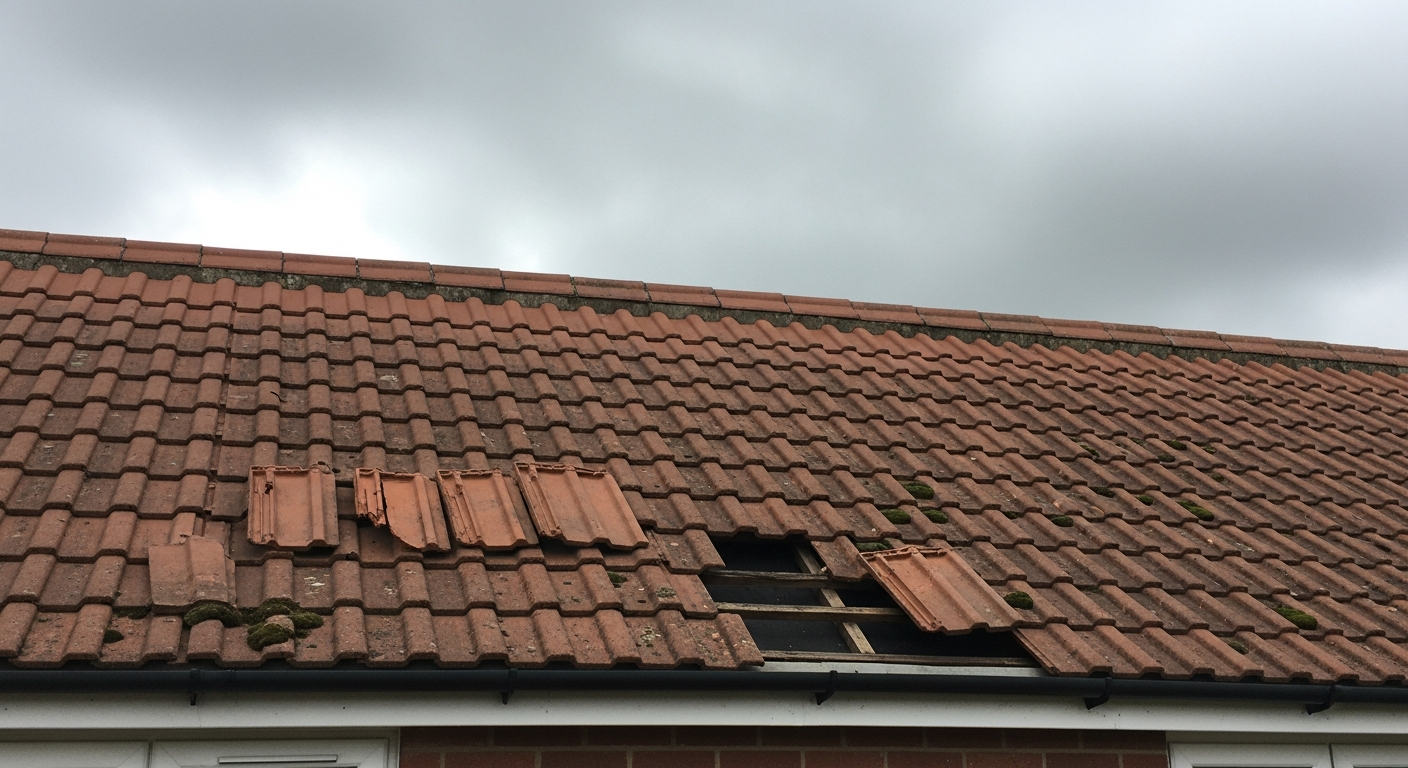
Replacing one to a handful of broken or slipped roof tiles is within reach of a competent DIYer — but only if you are confident working at height, have the correct access equipment, and can correctly identify the tile type. The skill level required is intermediate: you need to understand how interlocking or plain clay and concrete tiles are fixed, how to lift surrounding tiles without cracking them, and how to re-nail or re-clip replacements correctly. A typical single-tile repair takes one to three hours once you have access set up. You will need a roof ladder (also called a cat ladder), a standard ladder rated for the height, safety footwear, a slate ripper or trowel for removing old fixings, a hammer, galvanised nails or tile clips, and matching replacement tiles. Material costs for a small patch repair typically run from £50 to £300 depending on tile type — reclaimed tiles for older properties can be harder to source and more expensive. The main risks are falls (the leading cause of fatal accidents in the UK construction sector according to the HSE), cracking surrounding tiles by standing incorrectly, and incorrectly lapping tiles which leads to leaks. If you are unsure whether a roof leak is caused by a broken tile or something more complex such as failed flashing or sarking felt, investigate thoroughly before committing to a DIY repair. See our step-by-step how-to guide on replacing a broken roof tile for full instructions.
The Trade Option
A professional roofer will carry their own access equipment, assess the surrounding roof covering for hidden damage, and replace tiles using correct fixings to current standards. They will also check the underlying sarking felt or battens for rot or deterioration — something easily missed from ground level. For a small patch repair of one to five tiles, expect to pay roughly £150–£400, which typically includes a call-out charge, labour, and the cost of matching tiles. Larger areas involving twenty or more tiles, or a full re-roof, can run to several thousand pounds depending on roof pitch, access, and tile specification. To find a reputable roofer, use the National Federation of Roofing Contractors (NFRC) contractor finder or check Checkatrade for vetted, reviewed tradespeople. Always get at least two written quotes and confirm whether scaffolding is included or charged separately, as this can add £600–£1,200 to the total cost.
Side-by-Side Comparison
| Factor | DIY | Trade |
|---|---|---|
| Cost | £50–£300 (materials + equipment hire) | £150–£1,000+ (labour, materials, access) |
| Time | Half a day to full day inc. setup | 1–4 hours on site (pro with equipment ready) |
| Skill Required | Intermediate — comfort at height essential | Qualified roofer with relevant experience |
| Risk Level | High — fall risk, potential for further damage | Low — professional with correct PPE and access |
| End Quality | Good if done carefully with correct tiles | High — including checks on surrounding area |
| Legal Requirements | None for like-for-like repair; planning needed for listed buildings or conservation areas | Same planning rules apply; NFRC membership not legally required but recommended |
When DIY Makes Sense
- You are replacing one to five like-for-like tiles on a straightforward pitched roof with no structural concerns.
- You own or can hire a roof ladder and a full-height ladder rated for the job, and are fully confident working at height.
- You can source matching replacement tiles — check reclaimed salvage yards for older clay or handmade tiles to avoid a patchy finish.
- The underlying felt, battens, and timbers are visibly sound — if you spot rot, sagging, or widespread felt failure, stop and get a professional assessment before proceeding.
When You Must Use a Tradesman
- Large-scale or full re-roof: Replacing large sections of roof covering involves significant weight redistribution and should be assessed by a structural professional. Building Regulations (Approved Document A) may apply if the roof structure is being altered.
- Listed buildings or conservation areas: Any external alteration — including like-for-like tile replacement — may require Listed Building Consent or approval from your local planning authority under the Planning (Listed Buildings and Conservation Areas) Act 1990. Always check with your local council before starting work.
- Suspected structural damage: If tiles are slipping due to failing nibs, corroded nails across a wide area, or rotting battens, the whole roof covering needs professional evaluation — not a piecemeal tile swap.
- Insurance or mortgage requirements: Some insurers require evidence of professional repair for roofing claims. Check your policy before undertaking DIY work, as an improper repair could invalidate a subsequent claim.
- Working above two storeys: At this height, the risk from a fall is severe. The HSE’s Work at Height Regulations 2005 apply to any working environment, including homeowners hiring contractors — and the practical risks for an unsupported DIYer are extreme.
If You DIY — Where to Start
Before you climb onto the roof, read our complete Roofing Guide to understand how pitched roofs are constructed and how tiles interlock. Then follow the step-by-step instructions in our dedicated guide on how to replace a broken roof tile, which covers tile types, correct fixing methods, and how to avoid cracking adjacent tiles. If you suspect the damage goes beyond one or two tiles, also read our guide on how to find a roof leak from inside to rule out wider issues before you start. Check our roof tile types guide if you are unsure what type of tile your roof uses — sourcing the wrong profile will leave gaps that let in water.
Frequently Asked Questions
Do I need planning permission to replace roof tiles in the UK?
For a like-for-like replacement on a standard property, planning permission is not required. However, if your home is listed or in a conservation area, you may need Listed Building Consent or prior approval from your local planning authority — always check with your council before starting work.
Is it safe to replace roof tiles yourself?
It can be, provided you use a properly rated roof ladder secured at the ridge, a full-height access ladder footed correctly, and you never work on a wet or frosty roof. Falls from height are the leading cause of fatal workplace accidents in the UK according to the HSE — never take shortcuts with access equipment.
How do I match replacement tiles to my existing roof?
Take a removed tile to a reclaimed building materials supplier or roofing merchant to match the profile, colour, and size. For older clay or handmade tiles, reclaimed salvage yards are often the best source — new concrete tiles rarely match aged clay in appearance.
How much does it cost to have a roofer replace a few tiles?
For a small patch repair of one to five tiles, most roofers charge between £150 and £400 including labour and materials. Costs rise significantly if scaffolding is required or if underlying battens need replacing.
Can I fix a roof leak by replacing a broken tile?
Sometimes, but not always. A broken or slipped tile is a common cause of leaks, but water can also enter through failed flashing, deteriorated felt, or cracked mortar at the ridge or verge. Read our guide on how to find a roof leak from inside to diagnose the source before carrying out any repair.
When lifting surrounding tiles to access the damaged one, use two wooden wedges rather than resting them on the tile below — this distributes the load and dramatically reduces the chance of cracking sound tiles during the repair. If the tile nibs are badly worn or snapped across multiple tiles in one area, that section of batten is likely rotten and should be replaced before re-tiling.
Sources
- HSE — Work at Height Regulations 2005 and falls from height guidance — hse.gov.uk
- NFRC — Find a Roofing Contractor — nfrc.co.uk
- Planning Portal — Alterations to a Listed Building — planningportal.co.uk
This guide is for general information only. Always work safely and follow manufacturer instructions. DIYnut accepts no liability for injury or damage arising from DIY work.