How to Fill Wall Cracks – DIY Guide
How to Fill Wall Cracks
Get a smooth, paint-ready wall by filling cracks properly the first time.
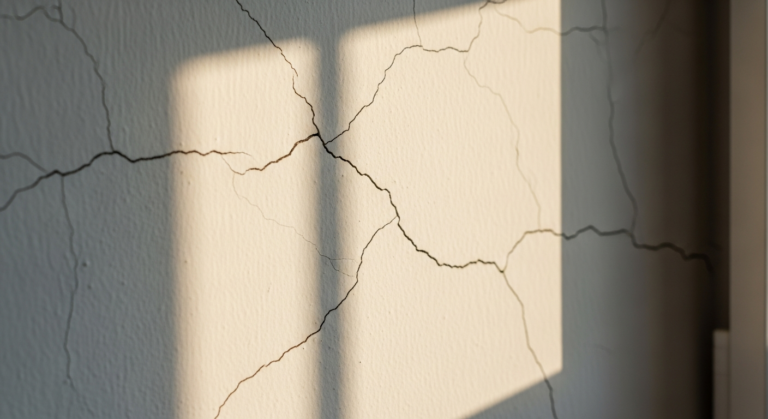
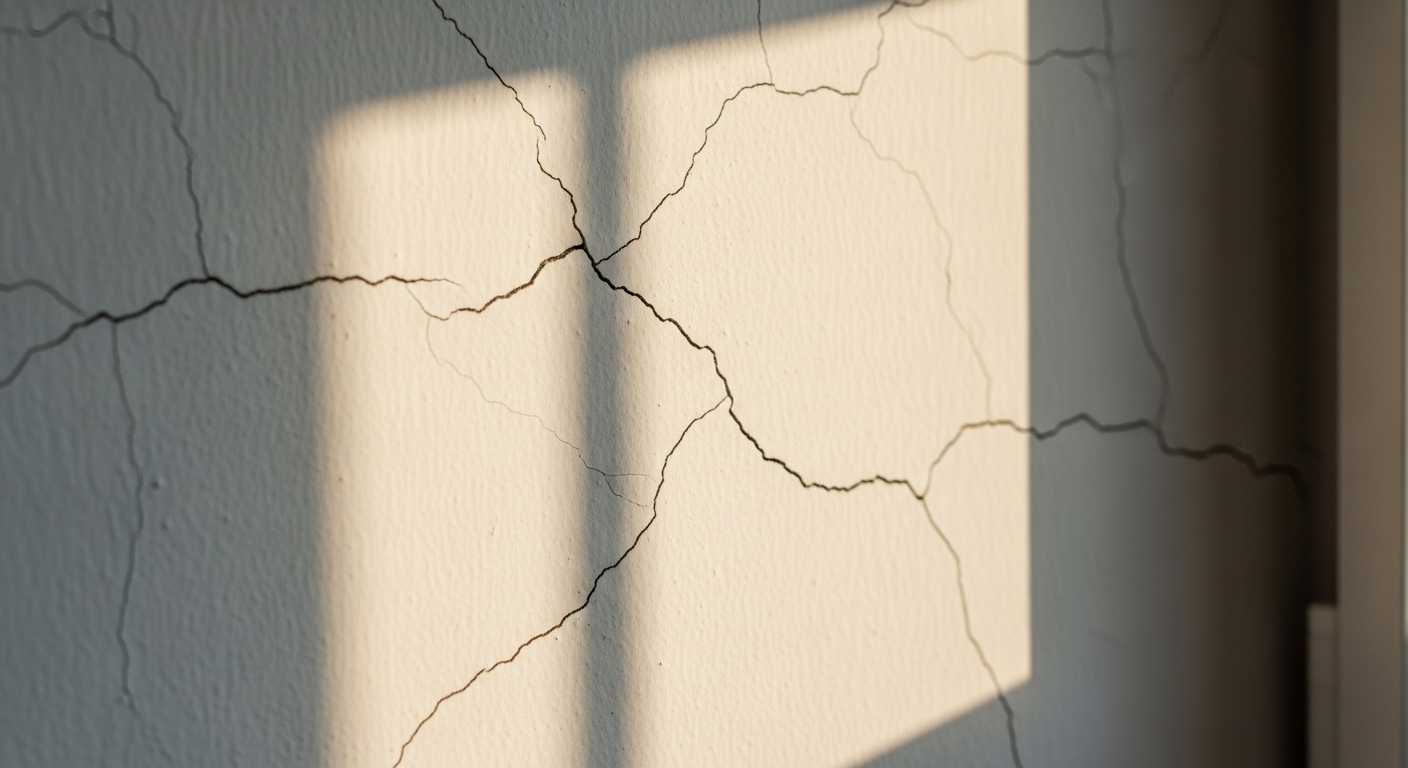
To fill wall cracks, rake out loose material, brush away dust, apply a suitable filler and press firmly into the crack, allow to fully dry, then sand flush before painting. Most hairline and medium cracks can be repaired in under two hours with basic tools.


- Filling knife (100mm)
- Scraper or old screwdriver
- Stiff-bristled brush
- Sanding block
- Fine-grit sandpaper (120-grit)
- Damp sponge or cloth
- Paintbrush (for priming)
- Ready-mixed wall filler
- Fine surface filler (for hairline cracks)
- Jointing tape or scrim tape (for larger cracks)
- Stabilising primer or PVA adhesive
- Fine-grit sandpaper (120–180-grit)
- Dust sheet or dust sheets
- Paint to match existing wall
Step-by-Step Guide
Rake Out the Crack
Use a scraper or old screwdriver to widen the crack slightly and remove all loose plaster, dust, and flaking material. This sounds counterintuitive but a clean, open crack gives filler something solid to bond to — skipping this step is the most common reason repairs fail. For larger cracks in plaster, undercut the edges slightly so the filler keys in.
Brush Away Dust and Prime the Surface
Use a stiff-bristled brush to clear all dust and debris from inside the crack and the surrounding area. Bare plaster is highly absorbent and will suck moisture out of your filler before it bonds, causing shrinkage and cracking. Dampen the crack with a wet brush or apply a diluted PVA solution (1 part PVA to 4 parts water) and allow to become tacky before filling. This single step makes a significant difference to how well the repair holds.
Apply Filler and Press Firmly Into the Crack
Load your filling knife generously and press the filler firmly into the crack using diagonal strokes, working it deep into the void before smoothing off. For cracks wider than 3mm, apply filler in two thin coats rather than one thick application — this prevents the filler from shrinking or sinking as it dries. For very wide or structural-looking cracks, bed in a length of jointing tape before applying filler over the top. Once you understand how to skim coat a wall, you can feather large repairs seamlessly into the surrounding surface.
Allow to Dry Fully
Ready-mixed filler typically dries in one to four hours depending on depth and ambient temperature, but it must be completely dry before you sand — touch it in the centre, not the edge, to check. White filler that still shows a grey or dark tint in the middle is not yet dry. Do not rush this stage; sanding damp filler will drag and smear, ruining the repair. In cold or humid rooms, drying can take considerably longer.
Sand Flush and Feather the Edges
Once fully dry, wrap 120-grit sandpaper around a sanding block and work in a circular motion to bring the filler flush with the surrounding wall. Feather the edges outward so there is no hard step between the repair and the original plaster. Wipe away all dust with a damp cloth and allow the surface to dry before priming. For a smooth, flat result on older textured walls, a light skim of fine surface filler after the first sand can fill any remaining pinholes. This preparation stage is equally important before you hang wallpaper .
Prime and Paint the Repaired Area
Apply a coat of stabilising primer or diluted emulsion to the filled area and let it dry before applying your topcoat — bare filler is porous and will show as a flat, dull patch if painted directly. Match your topcoat to the existing wall sheen as well as the colour; a matt filler patch under silk paint will show even with perfect colour matching. For advice on painting the finished wall, see our guide to how to paint a room for a clean, lasting finish.
Frequently Asked Questions
What is the best filler for wall cracks?
For most hairline and medium cracks in plaster, a ready-mixed flexible filler is the most forgiving choice — it sands easily and resists minor movement in the wall. For very fine hairline cracks, a fine surface filler or even a flexible decorators’ caulk is often better than a rigid filler, as it moves slightly with the wall rather than cracking again.
Do I need to sand filler after it dries?
Yes, always sand filled cracks once dry. Even a well-applied repair will sit very slightly proud of the surrounding surface and will show as a ridge under paint if not sanded flush. A sanding block (rather than just folded sandpaper) gives you a flat, even result.
Why do my wall cracks keep coming back?
Recurring cracks usually mean the underlying cause has not been addressed. Settlement cracks in older properties can reopen with seasonal movement, and cracks caused by damp or structural issues will return until the root cause is fixed. For persistent cracks, consider filling large cracks in plaster with jointing tape bedded into the repair to bridge the movement.
How do I fill cracks in a plasterboard wall?
Plasterboard cracks are often caused by joints between boards moving. Fill with a jointing compound rather than a standard plaster filler, bed in paper jointing tape, and apply a second skim coat once the tape is set. For larger damage, see our guide to patching a hole in plasterboard for a full repair method.
Can I paint over wall filler without sanding?
Technically yes for very fine repairs, but the result will almost always show. Sanding takes five minutes and ensures the filled area is flush, smooth, and keyed for paint. Skipping it risks a visible lump or ridge under your final coat, especially in raking light or with a silk finish.
Mix a small amount of your topcoat paint into the final thin layer of fine surface filler before you apply it. When it dries, the tinted filler blends far more naturally into the surrounding wall and the primed patch is far less visible before you even pick up a brush.
Sources
- HSE — Health and Safety in Construction: Working with plaster and fillers — hse.gov.uk
- Which? — How to fill cracks in walls and ceilings — which.co.uk
- Historic England — Practical Building Conservation: Mortars, Renders and Plasters — historicengland.org.uk
This guide is for general information only. Always work safely and follow manufacturer instructions. DIYnut accepts no liability for injury or damage arising from DIY work.