How to Plaster a Wall – 2026 Guide
DIY Guides › Plastering & Walls
How to Plaster a Wall
Get a smooth, professional finish on your walls without calling a plasterer.
To plaster a wall, prepare the surface, apply a bonding coat if needed, mix your finish plaster to a creamy consistency, apply two thin coats with a plastering trowel, and polish smooth before it fully sets. Allow 24–48 hours to dry before painting.

- Plastering trowel
- Hawk board
- Mixing paddle and drill
- Bucket
- Corner bead trowel
- Straight edge or feather edge
- Sponge
- Spray bottle
- Finish plaster
- Bonding coat plaster
- PVA bonding agent
- Corner bead
- Scrim tape
- Clean water
- Sandpaper (fine grit)
- Dust sheets
Step-by-Step Guide
Prepare the Surface
Remove any loose material, old wallpaper, and flaking paint. Fill deep holes or cracks with bonding coat plaster and allow to set. Apply a coat of diluted PVA bonding agent (1 part PVA to 4 parts water) to the entire wall and leave it to go tacky — this gives the plaster something to grip and prevents suction pulling moisture out too quickly.
Mix the Finish Plaster
Always add plaster to clean water, not water to plaster. Pour finish plaster into the bucket and mix with a paddle attachment on a drill until you reach a smooth, creamy, lump-free consistency similar to thick yoghurt. Mix only as much as you can apply in 20–25 minutes — finish plaster goes off quickly and cannot be re-mixed once it starts to set.
Apply the First Coat
Load your hawk board with plaster and use the plastering trowel to apply a firm, even first coat approximately 2–3mm thick, working from the bottom of the wall upwards in wide, sweeping arcs. Keep the trowel at roughly 30 degrees to the wall and work quickly. Cover the entire wall before the plaster starts to stiffen, pressing firmly to key the surface for the second coat.
Apply the Second Coat
Once the first coat has firmed up slightly but is not yet fully set — usually 10–20 minutes — apply a second thin coat of around 1–2mm, working in the opposite direction to the first. This coat fills any ridges or lines left by the first pass. Use the straight edge or feather edge to check for high spots and flatten them before the plaster stiffens further.
Polish to a Smooth Finish
As the plaster begins to set and lose its sheen, flatten and polish the surface using firm, circular strokes with a clean, damp trowel. Lightly mist the wall with a spray bottle to extend your working time if needed — but do not over-wet. Work the trowel at a flatter angle with each pass, finishing with long, sweeping vertical strokes to leave a uniformly smooth surface. Do not rush this stage; polishing too early or too late will ruin the finish.
Allow to Dry Fully Before Painting
Leave the plaster to dry for a minimum of 24–48 hours in a ventilated room — longer in cold or damp conditions. Fresh plaster will appear dark and gradually lighten to a uniform pale pink or off-white as it dries. Once fully dry, apply a mist coat of diluted emulsion (approximately 70% paint, 30% water) before any top coats, to seal the surface and prevent patchy absorption.
Frequently Asked Questions
Do I need to apply bonding coat before finish plaster?
On bare brick, blockwork, or any highly porous surface, yes — a bonding coat (scratch coat) is essential to build out the wall and give the finish coat a stable, even base. On plasterboard or existing plaster in good condition, PVA priming is usually sufficient.
How long does plaster take to dry before I can paint?
Allow at least 24–48 hours for fresh plaster to dry before applying a mist coat, and a further 24 hours before top coats. In poorly ventilated or cold rooms, full drying can take up to a week — wait until the plaster is a uniform pale colour throughout.
Can I plaster over existing plaster?
Yes, if the existing plaster is firm, sound, and well bonded. Tap the surface — a hollow sound indicates the old plaster has blown and must be removed first. Sand glossy patches, treat with PVA, and apply a thin skim coat of finish plaster.
Why has my plaster cracked after drying?
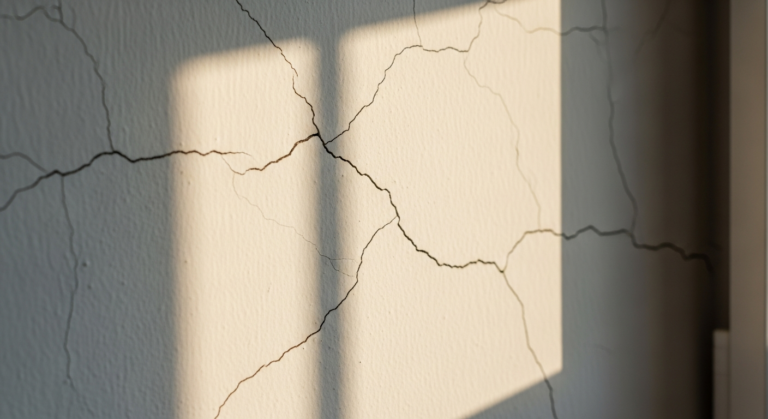
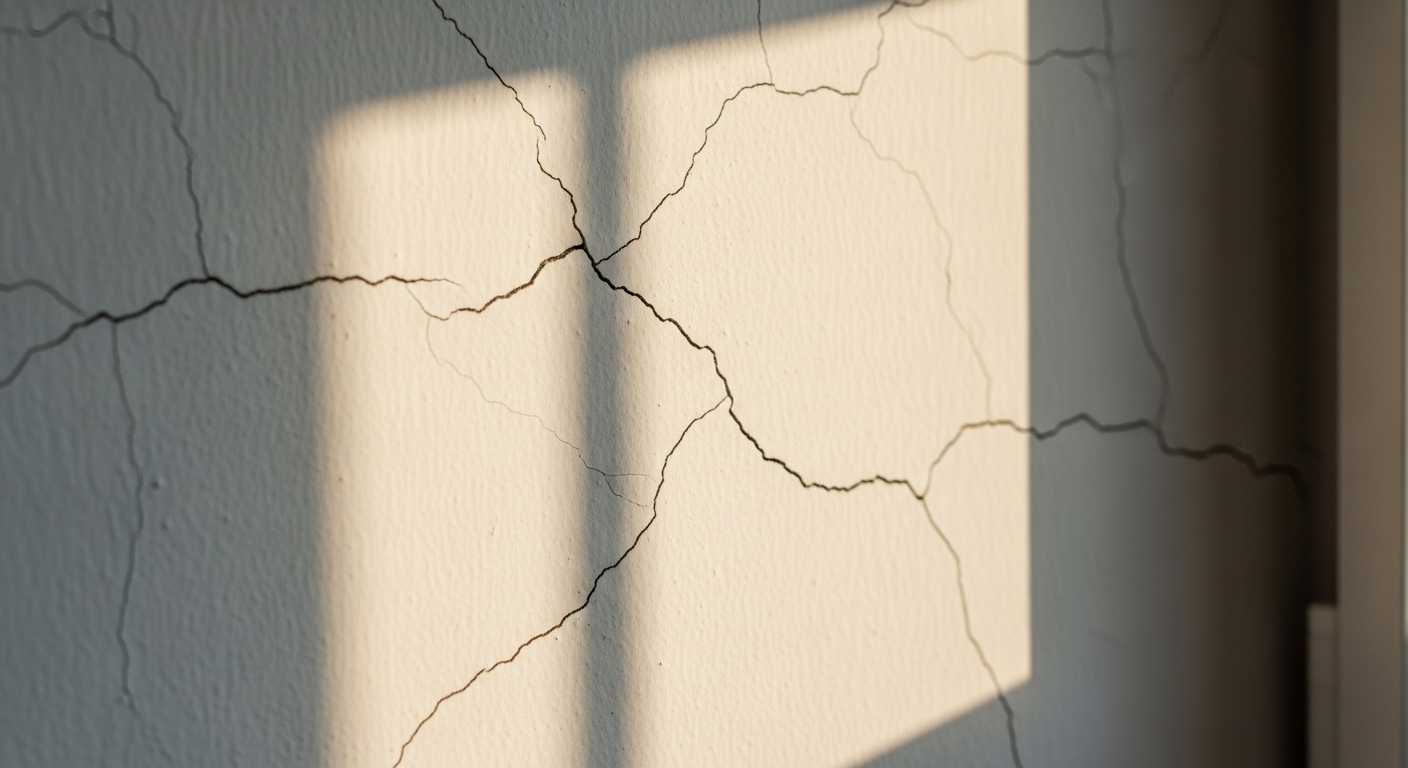
Fine hairline cracks are normal as plaster cures and can be filled before painting. Larger cracks usually indicate the plaster dried too quickly (often caused by draughts or direct heat), was applied too thick, or the base coat was not allowed to set properly before the finish coat was applied.
Is plastering a wall something a DIYer can realistically do?
Plastering is one of the harder DIY skills to master — getting a smooth finish takes practice. For large areas, hiring a plasterer is cost-effective. However, skimming a small patch or a single wall is achievable with preparation, the right tools, and patience on your first attempt.
Wet your trowel before each polishing pass — not the wall. A damp trowel glides without dragging, and the controlled moisture helps consolidate the surface rather than softening it unevenly. Experienced plasterers keep a damp sponge on the hawk board throughout the polishing stage for exactly this reason.
Sources
- HSE — Construction: Plastering health and safety guidance — hse.gov.uk
- Which? — How to plaster a wall — which.co.uk
- Gov.uk — Building regulations: walls and plastering — gov.uk
This guide is for general information only. Always work safely and follow manufacturer instructions. DIYnut accepts no liability for injury or damage arising from DIY work.