Plasterboard vs Wet Plaster
Walls & Plastering › Walls & Plastering
Plasterboard vs Wet Plaster
Choose the right wall finish for your budget, skill level, and project.
Plasterboard is faster and cheaper to install, making it ideal for DIYers and new partitions. Wet plaster gives a harder, more durable finish suited to solid walls and period properties. Most modern UK homes use plasterboard boarded and then skim-coated with a thin layer of finishing plaster.

What Is Plasterboard?
Plasterboard (also called drywall or gypsum board) is a rigid sheet material made from a gypsum plaster core sandwiched between two layers of paper facing. Sheets are fixed directly to timber stud frames or bonded to masonry walls using adhesive dabs — a method known as dot and dab. Once fixed, joints are taped and the surface is either left ready for decoration or finished with a thin skim coat of finishing plaster. It is the dominant wall lining method in new-build UK construction due to its speed, consistency, and relatively low cost. Learn how to install it in our guide to dot and dab plasterboard.
What Is Wet Plaster?
Wet plastering is the traditional method of applying one or more coats of gypsum or lime-based plaster directly to a wall or ceiling substrate — typically brick, block, or concrete — using a hawk and trowel. A scratch coat or browning coat builds up the body, followed by a smooth finish coat that is trowelled to a hard, flat surface. When cured, wet plaster produces an extremely durable, solid wall that resists impact far better than standard plasterboard. It is particularly suited to older or solid-walled properties and is preferred where a genuinely seamless, monolithic surface is required. If you want to try this yourself, start with our guide to plastering a wall for beginners.
Side-by-Side Comparison
| Category | Plasterboard | Wet Plaster |
|---|---|---|
| Cost per m² | £8–£18 (materials only) | £12–£25 (materials only) |
| Durability | Moderate — dents and holes more easily | High — hard surface resists impact well |
| Appearance | Good when skimmed; joints can show over time | Excellent — smooth, seamless finish |
| Install Difficulty | Low to moderate — DIY-friendly | High — requires skilled trowelwork |
| Maintenance | Holes patch easily; screw pops can occur | Hairline cracks common; repairs need matching |
| Lifespan | 25–40 years with care | 40–100+ years on solid walls |
Plasterboard — Pros and Cons
- Fast to install — large areas can be boarded in a single day
- Lower material and labour costs than full wet plastering
- DIY-friendly cutting and fixing with basic tools
- Wide range of board types available: acoustic, moisture-resistant, fire-rated
- Lightweight — less structural loading than multi-coat plaster
- Straightforward to patch; see our guide to patching a hole in plasterboard
- Less impact-resistant than solid plaster — more prone to dents and holes
- Board joints can telegraph through paint if not taped and feathered correctly
- Hollow sound when knocked — noticeable in hallways and corridors
- Not suitable as a direct base for heavy tiling without appropriate board specification
- Standard boards not suitable in areas of persistent moisture without moisture-resistant variants
Wet Plaster — Pros and Cons
- Extremely hard, durable surface that resists knocks and impact
- Seamless finish with no joints to show through decoration
- Excellent base for tiling, particularly in bathrooms and kitchens
- Well-suited to period and solid-wall properties where boards would reduce room size
- Longer lifespan — properly applied plaster on masonry can last generations
- Skilled trade work — very difficult to achieve a flat finish without experience
- Higher labour costs and longer drying times (weeks, not days)
- Multi-coat systems add weight to the structure
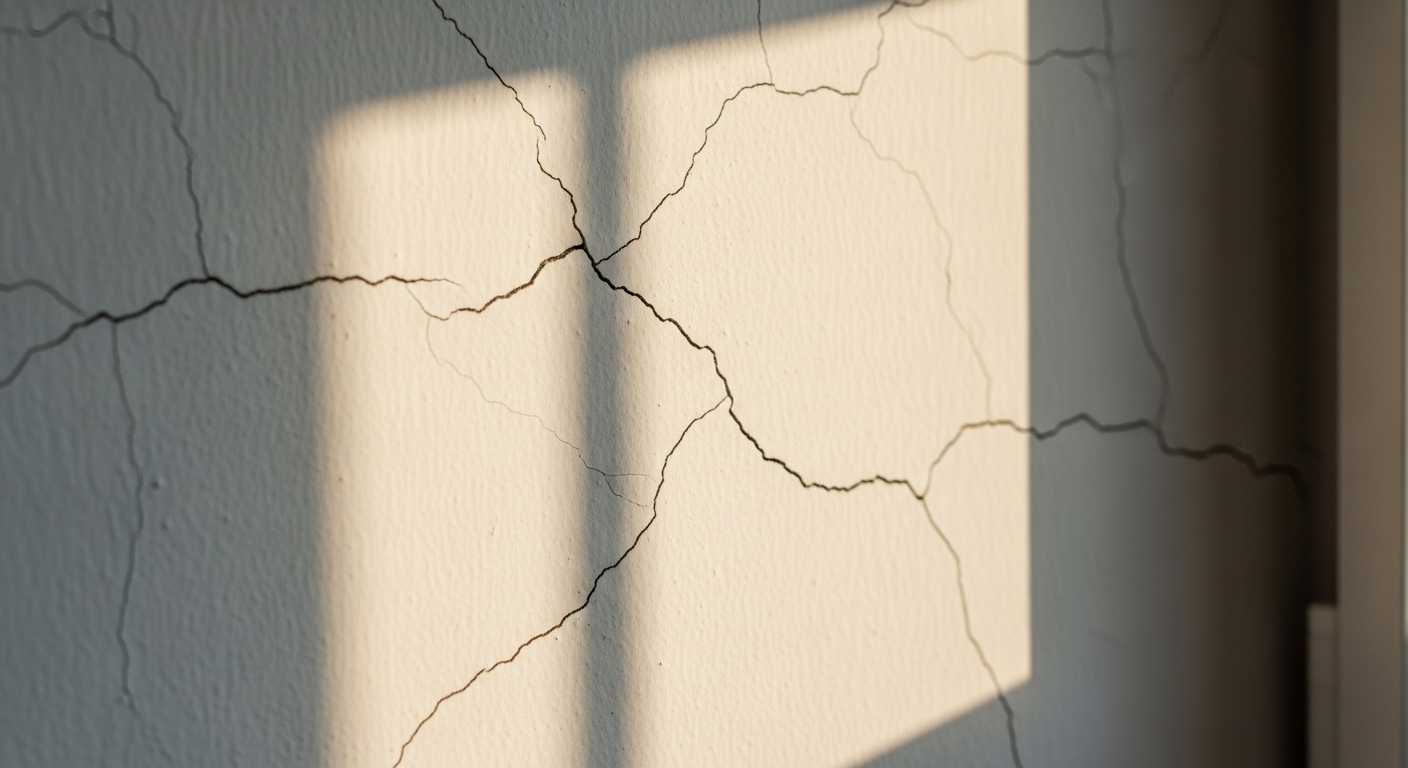
- Hairline cracking is common as the building moves; see our guide to fixing hairline cracks in walls
- Cannot be decorated until fully dry — typical wait is 4–6 weeks minimum
Which Is Better For…?
- New stud partition walls: Plasterboard wins outright. It is designed for timber and metal frame construction and can be boarded, jointed, and skimmed in a fraction of the time wet plaster would take. See how to build a stud wall for the full process.
- Solid brick or block walls in an older property: Wet plaster is the traditional and often the more practical choice. It bonds directly to masonry, preserves room dimensions, and produces a harder wall better suited to the age of the building.
- Bathroom or kitchen walls to be tiled: Moisture-resistant plasterboard (often called aquaboard or tile backer board) is widely used as a tile substrate and handles damp conditions well. For a wet room, specialist cement-based tile backer boards are preferred over either standard option.
- DIY renovation on a budget: Plasterboard followed by a skim coat is the more realistic choice for a competent DIYer. Full wet plastering requires trowel skills that take considerable practice to develop — consider hiring a plasterer for the skim if needed.
- Period property renovation where damp may be a factor: Wet lime plaster is often the correct material for older solid-wall properties, as it is breathable. Using modern gypsum boards or impermeable systems can trap moisture. Always investigate potential damp first — our guide to fixing damp on interior walls explains the options.
UK Cost Comparison
For plasterboard, standard 12.5 mm square-edge sheets typically cost between £5 and £10 per sheet (covering roughly 2.88 m²), placing the board-only material cost at approximately £2–£4 per m². When you add jointing compound, screw fixings, and a skim coat of finishing plaster, total material costs rise to around £8–£18 per m². If you hire a dryliner and plasterer to board and skim, labour and materials combined typically run to £20–£35 per m² depending on location and wall condition. For wet plastering using a two-coat system (browning and finish), material costs sit at roughly £12–£25 per m². Skilled plasterer day rates in the UK typically range from £180 to £300 per day, with a full room commonly priced at £400–£900 depending on size and complexity. London and the South East attract rates at the upper end of those ranges. Always obtain at least three written quotes and check that your plasterer is a member of a recognised trade body such as the Federation of Plastering and Drywall Contractors (FPDC).
Frequently Asked Questions
Can I plaster directly onto plasterboard without skimming?
Yes — boards with a tapered edge can be jointed and finished with a jointing compound, then sanded smooth and painted without a skim coat. However, a skim coat of finishing plaster produces a harder, better-looking surface that is more forgiving under raking light.
How long does wet plaster take to dry before painting?
Freshly applied gypsum plaster should be allowed to dry for a minimum of four to six weeks before applying emulsion in normal UK conditions. Painting too soon traps moisture and causes peeling. The plaster will change from a dark pink to a pale uniform pink as it dries.
Is plasterboard suitable for solid external walls?
Yes, using the dot and dab method — adhesive dabs bond the board directly to the masonry. This is faster and less messy than wet plastering, though it reduces the breathability of older solid walls. Always check for damp before boarding over masonry.
Which option is better for sound insulation?
Wet plaster on dense masonry provides better airborne sound insulation than standard plasterboard on a stud frame. However, acoustic-grade plasterboard systems with resilient bars and acoustic mineral wool can achieve comparable performance where masonry is not an option.
Can I tile directly onto plasterboard?
You can tile onto moisture-resistant plasterboard in low-splash areas such as a kitchen splashback. For shower enclosures or wet rooms, use a dedicated waterproof tile backer board instead — standard and even moisture-resistant plasterboard is not designed for continuous water exposure.
When skimming over dot-and-dab plasterboard, apply a diluted PVA bonding agent and allow it to go tacky before laying on the finish coat — this controls suction and prevents the plaster drying out too fast, which is the most common cause of a patchy or scratchy finish on boards.
Sources
- Which? — Cost of plastering a room — which.co.uk
- Federation of Plastering and Drywall Contractors — Trade body for UK plasterers — fpdc.org
- GOV.UK — Building Regulations Approved Document E (sound insulation) — gov.uk
This guide is for general information only. Always work safely and follow manufacturer instructions. DIYnut accepts no liability for injury or damage arising from DIY work.