Replaster a Room: Trade vs DIY
Walls & Plastering › Walls & Plastering
Replaster a Room: Trade vs DIY
Know when to pick up a trowel and when to call a plasterer.
Replastering a room is achievable as DIY but demands real skill — poorly applied plaster is costly to fix. For most homeowners tackling a full room, a professional plasterer delivers a reliably flat finish faster. DIY suits confident beginners on a tight budget willing to practise first.

The DIY Option
Replastering a room yourself sits at the upper end of intermediate DIY — it is genuinely learnable, but expect a steep curve. You will need to strip back damaged or blown plaster, apply bonding coat to bare masonry or PVA-prime plasterboard, and then finish with two thin coats of finishing plaster, polished off before it sets. For a standard bedroom or living room, plan for a full weekend minimum, plus drying time of 4–6 weeks before painting. Essential tools include a spot board, 8-inch and 14-inch steel finishing trowels, a hawk, bucket and mixer, corner trowel, and a feather-edge rule — most can be hired if you do not own them. Material costs run roughly £150–£400 depending on room size, surface condition, and whether you need to hang new plasterboard first. The biggest risks are uneven surfaces, trowel marks, cracking caused by mixing plaster too thick or thin, and applying finish coat over an improperly cured bonding coat. If you are new to plastering, read our guide on how to plaster a wall for beginners before committing to a full room, and practise mixing on a board before touching your walls. You may also want to check our advice on how to mix plaster correctly — getting the consistency right is where most beginners go wrong.
The Trade Option
A qualified plasterer will assess the substrate, hack off failed plaster, apply the appropriate base coat (bonding, browning, or dot-and-dab plasterboard depending on the wall construction), and finish with two trowelled coats of finishing plaster to a smooth, paint-ready surface. An experienced plasterer can skim a typical 4m × 4m room in a single day; full hack-off and re-plaster jobs typically take two to three days. Total cost including labour and materials generally falls between £800 and £2,500 for a standard room — vary by region, ceiling height, and surface condition. London and the South East typically sit at the higher end. Use a plasterer who can show recent examples of work and holds public liability insurance. Find vetted tradespeople through government-endorsed schemes or trade association directories. The Chartered Institute of Building (CIOB) and the National Federation of Plastering Contractors (NFPC) list qualified members. Always get three written quotes and check references before work begins.
Side-by-Side Comparison
| Factor | DIY | Trade |
|---|---|---|
| Cost | £150–£400 (materials only) | £800–£2,500 (labour + materials) |
| Time | 2–4 days work + 4–6 weeks drying | 1–3 days work + 4–6 weeks drying |
| Skill Required | Intermediate–Advanced | Professionally trained |
| Risk Level | Medium — poor results are costly to rectify | Low — guaranteed finish from an experienced plasterer |
| End Quality | Variable — good with practice, uneven without | Consistently flat and paint-ready |
| Legal Requirements | None for standard replastering | None for standard replastering |
When DIY Makes Sense
- You have already skimmed a wall or ceiling before and achieved a smooth result — a full room is the same skill scaled up.
- The job is a single-coat skim over sound existing plaster or new plasterboard rather than a full hack-off and re-plaster from bare masonry.
- You have time to practise mixing and applying on a spare board or less visible wall before starting the main surfaces.
- Budget is the primary constraint and you are willing to sand back any imperfections before decorating — see our guide on how to skim coat a wall for the technique involved.
When You Must Use a Tradesman
- Underlying damp or structural issues: If walls show signs of rising or penetrating damp, plastering over the problem without treating the source will cause the new plaster to fail within months. Identify the cause first — our guide to fixing damp on interior walls explains when specialist diagnosis is needed.
- Lime plaster in older or listed buildings: Pre-1919 properties often have lime-based plaster on lath or rubble walls. Applying modern gypsum plaster over lime is incompatible and can cause cracking and trapped moisture. A specialist plasterer familiar with traditional materials is essential.
- Large areas of blown or contaminated plaster: Extensive hack-off on solid walls — particularly where contamination from salts or old damp-proof treatment is present — requires correct substrate preparation that is difficult to assess without experience.
- Electrical or gas works exposed during the replastering: If any cabling or pipework needs rerouting or making good before walls are closed up, a Part P registered electrician (for notifiable electrical work) or a Gas Safe registered engineer must complete those elements before plastering proceeds. The HSE sets out the legal requirements for notifiable work.
If You DIY — Where to Start
Before touching a trowel, work through the full Walls & Plastering Guide to understand surface preparation, which plaster products suit your substrate, and how each stage connects. Then move to our step-by-step Plaster a Wall for Beginners guide, which walks you through the complete process from stripping back to final polish. If your walls have localised damage rather than widespread failure, you may find that repairing blown plaster in patches is all that is needed, avoiding a full replaster entirely.
Frequently Asked Questions
How long does it take to replaster a room?
A professional plasterer typically completes the physical work on a standard room in one to three days. DIY will take two to four days spread across a weekend. Either way, the new plaster needs four to six weeks to dry fully before you paint.
Do I need planning permission or building regulations approval to replaster a room?
No — standard internal replastering does not require planning permission or building regulations approval. If the replastering exposes and requires notifiable electrical work, that element must comply with Part P of the Building Regulations.
Can I plaster straight onto bare brick or blockwork?
Yes, but you must apply a suitable base coat (bonding coat on smooth surfaces, browning on brickwork) before the finishing plaster. Applying finish coat directly onto absorbent masonry will cause it to dry too quickly and crack.
How do I know if my old plaster needs full replacement or just a skim?
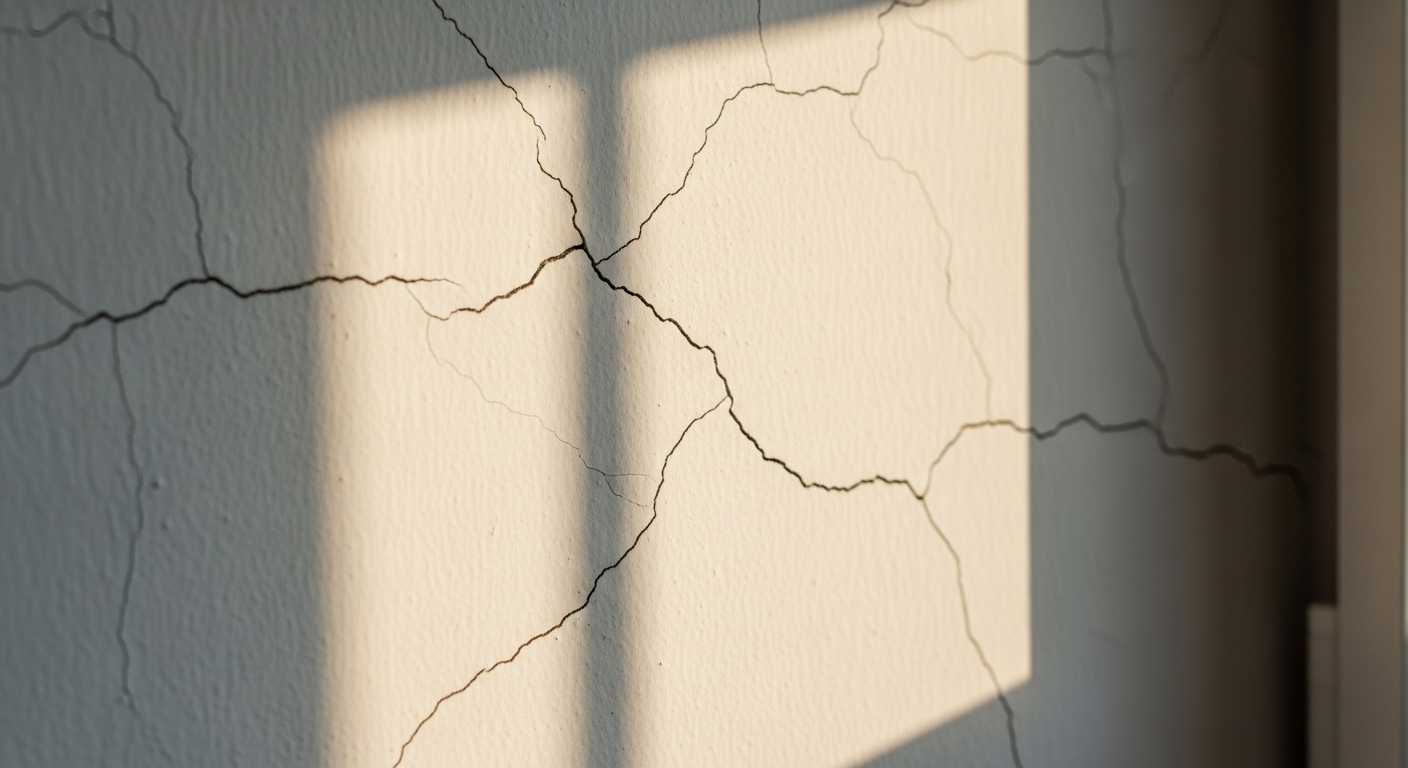
Tap the wall firmly — a hollow or drumming sound indicates the plaster has blown away from the wall and must be hacked off. Solid-sounding but rough or cracked plaster can often be repaired or re-skimmed without full removal.
How soon can I paint after replastering?
Wait at least four to six weeks for new plaster to dry completely. Apply a mist coat (watered-down emulsion) as the first coat to seal the surface and avoid the paint peeling. Full-strength paint can follow once the mist coat is dry.
When replastering over old sand-and-cement render or a particularly absorbent background, apply two coats of diluted PVA bonding agent — the first left to go tacky, the second applied immediately before plastering. This creates a controlled suction rate that gives you more working time and dramatically reduces the risk of the finish coat drying out patchily.
Sources
- Which? — Cost of replastering a room in the UK — which.co.uk
- HSE — Building Regulations Part P: electrical safety in dwellings — hse.gov.uk
- Checkatrade — How much does plastering cost? (2024 guide) — checkatrade.com
This guide is for general information only. Always work safely and follow manufacturer instructions. DIYnut accepts no liability for injury or damage arising from DIY work.